
The Ordinary Moisturizing Factors: 3 Formulas Compared

The Ordinary NMF + Beta Glucan is the best starting point for most people who want a lightweight face moisturizer, because it pairs a gel texture with beta glucan. Choose The Ordinary NMF + Hyaluronic Acid for a lightweight cream with hyaluronic acid, or The Ordinary NMF + PhytoCeramides if you prefer a richer moisturizer; the right fit depends on the texture you want.
We earn a commission if you buy through links on this page. As an Amazon Associate I earn from qualifying purchases. Products are compared on manufacturer specifications, not hands-on testing.
- Best overall: The Ordinary NMF + Beta Glucan – A lightweight gel formula with beta glucan for people who prefer a fast-absorbing texture.
- Best for a lightweight cream: The Ordinary NMF + Hyaluronic Acid – Combines natural moisturizing factors with hyaluronic acid in a non-greasy face moisturizer.
- Best for dry-feeling skin: The Ordinary NMF + PhytoCeramides – A richer moisturizer with nearly four times more emollients than the HA formula.
| Product | Best for | Texture | Size | Shop |
|---|---|---|---|---|
| The Ordinary NMF + Beta Glucan | Lightweight gel | Lightweight gel | 3.4 fl oz | Check Price on Amazon |
| The Ordinary NMF + Hyaluronic Acid | Everyday lightweight | Lightweight cream | 3.3 fl oz | Check Price on Amazon |
| The Ordinary NMF + PhytoCeramides | Richer moisturizer | Rich cream | 3.4 fl oz | Check Price on Amazon |
The Ordinary Natural Moisturizing Factors moisturizers
Compare the face formulas by texture, key ingredients, and the kind of moisturizer feel you prefer.
The Ordinary NMF + Beta Glucan

The Ordinary NMF + Beta Glucan stands apart with a lightweight gel texture and beta glucan, rather than the cream textures of the other face formulas. The brand says one application provides all-day hydration; its formula also includes ceramides and natural moisturizing factors. The non-greasy, fast-absorbing feel may suit oily or combination skin, as well as anyone who dislikes a richer cream. The limitation is texture: people who specifically want a rich moisturizer may prefer The Ordinary NMF + PhytoCeramides instead.
Bottom line: Choose this if you want a lightweight gel rather than a cream.
The Ordinary NMF + Hyaluronic Acid

The Ordinary NMF + Hyaluronic Acid is the lightweight cream option, with hyaluronic acid alongside amino acids, fatty acids, ceramides, and urea. The brand says the formula provides immediate hydration and supports the skin barrier with regular use. Apply it to the face as the final step in a skincare routine, as directed by the product. Its cream format distinguishes it from the gel in The Ordinary NMF + Beta Glucan, but it may not feel rich enough for someone seeking a more emollient moisturizer. Patch test before use.
Bottom line: Pick this for a lightweight cream with hyaluronic acid.
The Ordinary NMF + PhytoCeramides
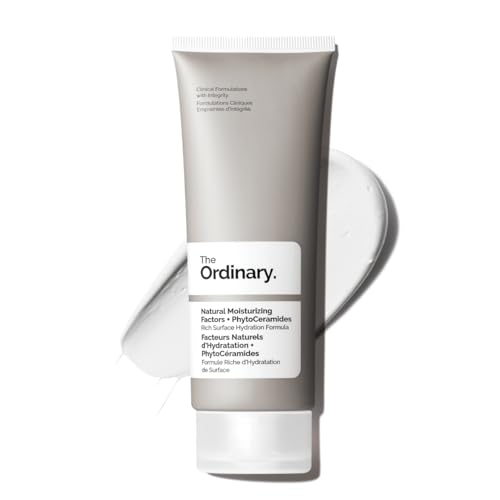
The Ordinary NMF + PhytoCeramides is the richer cream in this group, with nearly four times more emollients than the Natural Moisturizing Factors + HA formula. It combines natural moisturizing factors, PhytoCeramides, and skin lipids, making it the clearest fit for someone who wants a more nourishing feel than a gel or lightweight cream. The brand reports a 68% hydration boost after one use, based on testing on 30 people. That single-use figure does not establish how the formula will feel for every person; those who prefer light textures may find this one too rich.
Bottom line: Choose this if a rich, emollient cream is your priority.
How to choose a Natural Moisturizing Factors face moisturizer
Choose by texture first: a gel feels lighter, while a rich cream brings more emollients. Moisturizers generally combine humectants, which attract water, with emollients that soften skin and occlusive ingredients that help slow water loss; a formula can use these in different proportions. For an easy decision rule, pick a gel if you dislike a creamy finish, a lightweight cream if you want a middle ground, and a rich cream if you want more emollient feel. The Ordinary NMF + Beta Glucan, The Ordinary NMF + Hyaluronic Acid, and The Ordinary NMF + PhytoCeramides represent those texture choices. Introduce a new face product one at a time, and patch test it before applying it broadly, especially if your skin is reactive.
Gel, lightweight cream, and rich cream compared
The main difference among these face moisturizers is texture and formula emphasis, not a universal ranking of hydration. Humectants such as hyaluronic acid attract water, while emollients contribute a softer, more conditioned feel; skin response and preferred finish vary. Use this guide to narrow the choice by the feel you want rather than assuming a richer texture is always better.
| Preference | Formula direction | Product |
|---|---|---|
| Light, gel feel | Beta glucan | The Ordinary NMF + Beta Glucan |
| Lightweight cream | Hyaluronic acid | The Ordinary NMF + Hyaluronic Acid |
| Richer, more emollient feel | PhytoCeramides | The Ordinary NMF + PhytoCeramides |
Texture preference is personal: a product that feels comfortable is easier to use consistently, but avoid adding several new products at once if you are trying to identify irritation.
How to layer face moisturizer
Apply moisturizer after lighter water-based products and before sunscreen in a daytime routine. The Ordinary’s HA face formula is directed for use as the final step in a skincare routine, while sunscreen should remain the final skincare layer in the morning. Use a modest amount and spread it over clean skin; more product does not guarantee better hydration and may leave a finish you dislike. If you use a prescribed topical treatment, follow its clinician’s directions for order and timing rather than changing the treatment routine to accommodate a cosmetic moisturizer. Patch test new products and stop use if irritation develops.
Frequently Asked Questions
Can I use a face moisturizer under sunscreen?
Yes, apply face moisturizer first and let it settle before sunscreen. Use sunscreen as the final skincare layer in the morning, and follow its label for the amount and reapplication.
Should I choose gel or cream moisturizer?
Choose gel when you prefer a lighter feel, and cream when you want a more emollient texture. Skin type alone does not determine the best feel, so patch test a new formula if your skin is reactive.
How often should I apply face moisturizer?
Many people apply face moisturizer once or twice daily, such as after washing in the morning and evening. Adjust based on comfort and your routine, and use sunscreen during daytime exposure.
How can I patch test a new moisturizer?
Apply a small amount to a limited area of skin and watch for irritation before using it across your face. If redness, burning, or persistent discomfort occurs, stop applying it.