
Vinyl Car Interior Wrap Films Compared by Finish and Fit

For a glossy carbon-fiber look on interior trim, 5D Glossy Carbon Fiber Vinyl Film is the closest match, while VViViD Matte Black Vinyl Wrap suits a matte-black finish and JNK Networks Mahogany Wood-Grain Vinyl a wood-grain look. These self-adhesive decorative films are for smooth surfaces; choose another material if you want a soft fabric feel or need a roll wider than 12 inches.
We earn a commission if you buy through links on this page. As an Amazon Associate I earn from qualifying purchases. Products are compared on manufacturer specifications, not hands-on testing.
- Best overall: 5D Glossy Carbon Fiber Vinyl Film – Its glossy carbon-fiber pattern is aimed at interior parts such as dashboards and door handles.
- Best for matte black: VViViD Matte Black Vinyl Wrap – The matte-black film includes air-release and heat-fuse features for DIY application.
- Best for wood grain: JNK Networks Mahogany Wood-Grain Vinyl – Its glossy mahogany pattern gives trim a decorative wood-grain appearance.
| Product | Best for | Finish | Application feature | Shop |
|---|---|---|---|---|
| 5D Glossy Carbon Fiber Vinyl Film | Carbon-fiber trim | Glossy carbon fiber | DIY film | Check Price on Amazon |
| VViViD Matte Black Vinyl Wrap | Matte black trim | Matte black | Air release, heat fuse | Check Price on Amazon |
| JNK Networks Mahogany Wood-Grain Vinyl | Wood-grain accents | Glossy mahogany wood grain | Stretchable, peel-and-stick | Check Price on Amazon |
Vinyl Car Interior Wrap Films
Compare these films by finish, dimensions and the application feature that matters most for your trim project.
5D Glossy Carbon Fiber Vinyl Film
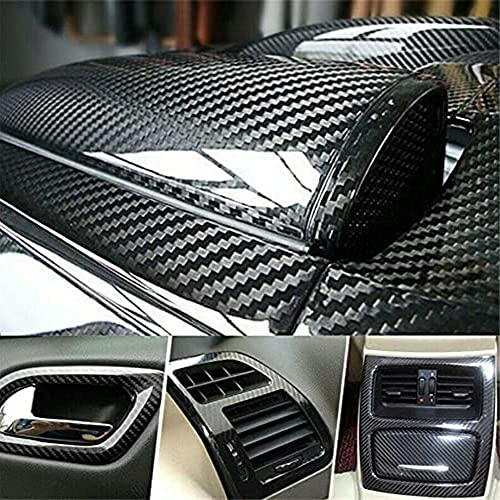
For a glossy carbon-fiber pattern, this 5D film is marketed for interior pieces including dashboards, steering wheels, door handles and glove compartments. The sheet measures 12 × 60 inches, a practical format for small trim projects rather than broad panels. The maker also describes it as suitable for exterior parts, but this comparison focuses on its interior uses. Its appeal is the patterned finish; choose a plain film instead if you want a low-key surface. Measure each piece before cutting, and plan seams where they will be least visible.
Bottom line: Pick it for a patterned, glossy carbon-fiber look on smaller interior parts.
VViViD Matte Black Vinyl Wrap

The matte-black finish separates this film from patterned carbon fiber and wood-grain options. Its 1-foot-by-5-foot sheet provides 12 × 60 inches of material, and the maker says the backing includes air-release and heat-fuse technologies to support DIY application. The adhesive is described as solvent-based, repositionable and permanent, so careful surface preparation and placement matter. This is a fit for buyers who want a plain, subdued finish; the fixed 12-inch width can be limiting when a project includes wide panels.
Bottom line: Choose it for matte-black trim and DIY features intended to help manage bubbles and creases.
JNK Networks Mahogany Wood-Grain Vinyl

The glossy mahogany wood-grain appearance makes this film the decorative choice among the options, rather than a carbon-fiber or plain-black finish. Its self-adhesive sheet measures 12 × 60 inches, and the maker describes the material as flexible enough to stretch over varied vehicle surfaces. That combination suits small accent pieces where a warm wood look is wanted. The glossy pattern is not a match for buyers seeking a subtle matte surface, and the sheet width may not cover a larger panel without seams.
Bottom line: Pick it for small interior accents where glossy mahogany suits the cabin.
How to Choose Vinyl Car Interior Wrap
Choose a film by surface finish, sheet dimensions and the shape of the part you plan to cover. Most car-wrap projects need a clean, smooth, dry surface; dust, oil and textured plastic can interfere with adhesion. Measure the trim’s widest point and add roughly 2 to 3 inches of working margin on each side for handling and trimming. A 12-inch-wide sheet is better suited to narrow trim than a broad dashboard panel. For deep curves, flexible film is easier to form than a rigid decorative sheet, but heat must be applied carefully and evenly.
| Project need | What to prioritize |
|---|---|
| Subtle dark trim | Matte finish |
| Patterned accent | Carbon-fiber or wood-grain finish |
| Wide panel | Measure panel width and account for seams |
Preparing Interior Trim for Vinyl Film
Clean trim thoroughly before applying adhesive film: remove dust and oily residue, then let the surface dry fully. Vinyl adheres best to smooth, sound surfaces; loose coatings, textured grain and soft-touch finishes can reduce adhesion or lift during removal. Remove detachable trim where practical so the film can wrap around edges, but do not disturb electrical connectors or airbag components. Keep film and tools away from steering-wheel, seat and dashboard airbag seams; covering or obstructing an airbag deployment area can create a serious hazard. Test fit a small piece on a hidden area before committing to a visible panel.
Applying Vinyl Around Curves and Edges
Apply film gradually from the center toward the edges, smoothing short sections instead of stretching the entire sheet at once. Air-release channels can help trapped air escape, but they do not replace slow positioning and firm smoothing. On curved trim, moderate, even heat can soften automotive vinyl; excessive heat can distort the surface or adhesive. Use a plastic squeegee with a soft edge to reduce scratches, and avoid sharp blades near the vehicle’s finish or wiring. Wrap only enough material around the back of an edge to secure it without interfering with clips, switches or reassembly.
Common Vinyl Interior Wrap Mistakes
The most common sizing mistake is cutting a sheet to the exact visible face of a panel, leaving no material to wrap its edges. Leave a few inches of margin when the shape allows, and map seams before cutting if the panel exceeds the film width. Another mistake is applying film over dust, wax or a damp cleaner residue, which can cause bubbles or lifting. Do not use vinyl over textured or damaged trim expecting it to conceal every defect; surface irregularities often remain visible. Avoid covering safety labels, control markings, vents or airbag seams, even when the film appears to fit cleanly.
Frequently Asked Questions
Can interior vinyl wrap go over textured plastic?
Film generally bonds more reliably to smooth, clean plastic than to deep texture. Texture can show through the film and reduce contact, so test a small hidden area before wrapping a visible panel.
How much extra vinyl should I leave around trim?
Leave about 2 to 3 inches of working margin per side when the panel shape allows. Extra material helps wrap edges and gives room to reposition before final trimming.
Can I use a heat gun on car interior wrap?
Gentle, even heat can help automotive vinyl conform to curves, but excessive heat may distort film or adhesive. Keep heat moving and avoid warming nearby switches, wiring or delicate trim.
Should I remove trim before applying vinyl?
Removing a detachable trim piece can make edge wrapping easier and reduce awkward cuts. Do not disconnect safety equipment or cover airbag deployment seams while preparing interior panels.
Will vinyl hide scratches in dashboard trim?
Vinyl may cover minor color differences, but surface dents, deep scratches and texture can remain visible through thin film. Clean and inspect the trim before cutting material to size.