
WAI Global Alternators: Models Compared by Fit

For a WAI Global alternator, choose WAI World Power Systems 8076N or WAI 11210N Alternator only when its model reference matches your vehicle’s required unit; alternator fit depends on more than brand. Technical Precision Replacement 71-12536N and Technical Precision Replacement 13932N are replacement units tied to specific WAI Global references, so they suit buyers matching those references.
An alternator converts engine rotation into electrical power and recharges the battery, but a different connector, pulley, or mounting arrangement can make a unit incompatible.
We earn a commission if you buy through links on this page. As an Amazon Associate I earn from qualifying purchases. Products are compared on manufacturer specifications, not hands-on testing.
- Best overall: WAI World Power Systems 8076N – A WAI World Power Systems alternator with a distinct 8076N model reference and stated dimensions and weight.
- Best for 11210N: WAI 11210N Alternator – The 11210N is identified by model, with Japanese manufacture and a weight.
- Best for 71-12536N: Technical Precision Replacement 71-12536N – A single-unit replacement explicitly references WAI Global model 71-12536N.
| Product | Best for | Model/reference | Weight | Shop |
|---|---|---|---|---|
| WAI World Power Systems 8076N | 8076N reference | 8076N | 16.53 lb | Check Price on Amazon |
| WAI 11210N Alternator | 11210N reference | 11210N | 14.6 lb | Check Price on Amazon |
| Technical Precision Replacement 71-12536N | 71-12536N replacement | Replacement for 71-12536N | — | Check Price on Amazon |
| Technical Precision Replacement 13932N | 13932N replacement | Replacement for 13932N | — | Check Price on Amazon |
WAI Global Alternators Compared
Match the alternator reference and physical connections to the vehicle’s required part before choosing among these options.
WAI World Power Systems 8076N

WAI World Power Systems 8076N is the only option here identified as a WAI World Power Systems 8076N alternator, with dimensions and weight provided. It is the clearest choice when 8076N is the exact reference required for the vehicle. The unit measures 8.23 inches high, 10.79 inches long, and 9.17 inches wide, and weighs 16.53 pounds. Its limitation is that the product facts do not identify a vehicle application, amperage, connector, or pulley; buyers who cannot match the reference should verify those fit points before ordering.
Bottom line: Choose this when your required alternator reference is 8076N.
WAI 11210N Alternator
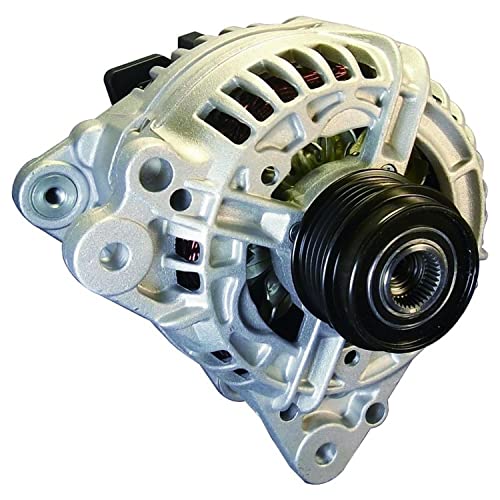
WAI 11210N Alternator stands apart by pairing the 11210N model reference with a Japanese manufacturing origin. WAI says each first-time-fit starter and alternator goes through more than 29 performance and safety checks, and says it can acquire cores from a variety of sources to support product quality. The alternator weighs 14.6 pounds and measures 9.12 inches long, 5.57 inches wide, and 3.40 inches high. Those facts do not establish vehicle fit or electrical output, so this option is for buyers who have confirmed that 11210N is the required reference.
Bottom line: Choose this when 11210N is the verified reference for your vehicle.
Technical Precision Replacement 71-12536N

Technical Precision Replacement 71-12536N is a Technical Precision replacement specifically tied to WAI Global 71-12536N, rather than a WAI-branded alternator identified by its own model. The product is sold as one unit. That reference makes it relevant when replacing the matching WAI Global unit, but it does not establish that the replacement fits every vehicle that uses an alternator from the same brand.
Bottom line: Choose this when replacing a unit matched to WAI Global 71-12536N.
Technical Precision Replacement 13932N
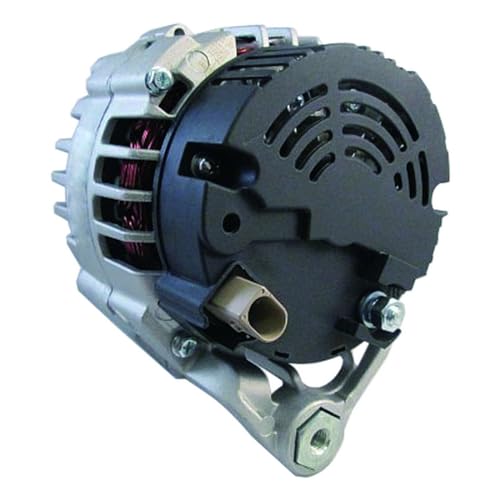
Technical Precision Replacement 13932N is a Technical Precision replacement for WAI Global 13932N, a different reference from the 71-12536N replacement. It is sold as one unit. The color field says multiple, but color does not establish fit; the model reference is the useful distinction when comparing these replacement options.
Bottom line: Choose this when replacing a unit matched to WAI Global 13932N.
How to choose a WAI Global alternator
Start with the exact alternator reference, then verify the vehicle application and connections; brand alone is not a fit guarantee. A typical 12-volt automotive charging system runs around 13.5 to 14.8 volts while the engine is running, but the correct output rating must match the vehicle’s electrical load and factory specification. Compare the pulley type and groove count, mounting points, connector shape, and amperage rating against the original unit. A measurable decision rule is to select a unit only when its reference or verified application matches the required part number and its connector and pulley match the vehicle. A similar-looking case can still have different mounting geometry.
For alternators, electrical output, mounting, and drive compatibility matter more than exterior color or brand family.
Alternator references and replacement types
A model-specific replacement and a branded alternator are not interchangeable categories unless their fit references align. A replacement identified for 71-12536N targets that reference, while a WAI 11210N or 8076N is identified by its own model number. When checking interchange, use the vehicle’s year, make, model, engine, and existing alternator number together; engine options within one vehicle line can use different charging equipment. Match the connector pin layout and pulley offset as well as the part reference. A quick visual match or shared manufacturer name is not enough to confirm electrical compatibility.
The table separates the reference types so you can begin with the code that appears on the required unit or application record.
| Product type | Reference to match | Best starting point |
|---|---|---|
| WAI model alternator | 8076N or 11210N | Required model/application |
| Replacement unit | 71-12536N or 13932N | Original WAI Global reference |
Alternator fit and installation checks
Before installation, compare the replacement’s case shape, bolt locations, pulley alignment, and wiring connector with the removed unit. Automotive alternators are belt-driven, so a pulley that sits out of line can cause belt noise or wear even if the mounting bolts fit. Electrical output also needs to suit the vehicle; do not assume a higher amperage unit is automatically compatible with the wiring or control system. Disconnect the battery’s negative terminal before electrical work, and never disconnect a battery cable while the engine is running because voltage spikes can damage vehicle electronics. If the application or connector is uncertain, confirm the exact fit before installation rather than forcing a plug or bracket.
Frequently Asked Questions
How can I tell which alternator reference my vehicle needs?
Use the vehicle’s year, make, model, and engine together with the number on the existing alternator or the vehicle’s parts specification. Different engine options can use different alternators, even within the same model year.
What voltage should a 12-volt alternator produce?
A typical 12-volt charging system reads about 13.5 to 14.8 volts with the engine running. Temperature, battery condition, and the vehicle’s charging controls can affect the reading.
Can I replace an alternator with a higher amperage unit?
Only if the vehicle’s electrical system and application support that output. Check the required amperage, wiring, connector, mounting, and pulley rather than choosing by output alone.
Should I disconnect the battery before changing an alternator?
Yes, disconnect the negative battery terminal before working on the alternator’s electrical connections. Never disconnect a battery cable with the engine running, since voltage spikes can harm vehicle electronics.
What parts should match when fitting an alternator?
Match the part reference, connector and pin layout, mounting points, pulley type, and pulley alignment. A visually similar housing can still differ in a way that prevents a correct installation.