
Watco Crystal Clear Lacquer: Finishes Compared

Watco Clear Satin Lacquer Spray is the closest match for Watco crystal clear lacquer if you want a satin wood-finish spray that dries in 30 minutes. Choose Minwax Brushing Lacquer Gloss for a brushing lacquer, or Rust-Oleum Clear Lacquer Spray for a clear high-gloss spray rated for more surface types.
Clear lacquer is a fast-drying coating; sheen and application method are key choices. These products are not interchangeable: Varathane Water-Based Gloss Polyurethane is polyurethane, while Rust-Oleum Automotive Clear Gloss Lacquer is an automotive lacquer intended for vehicle-related projects.
We earn a commission if you buy through links on this page. As an Amazon Associate I earn from qualifying purchases. Products are compared on manufacturer specifications, not hands-on testing.
- Best overall: Watco Clear Satin Lacquer Spray – A Watco satin lacquer spray for wood that dries in 30 minutes.
- Best for brushing: Minwax Brushing Lacquer Gloss – A quart of gloss brushing lacquer with a two-hour recoat time.
- Best for multiple surfaces: Rust-Oleum Clear Lacquer Spray – A clear gloss spray suitable for wood, metal, masonry, plaster and unglazed ceramic.
| Product | Best for | Finish | Application | Drying or coverage | Shop |
|---|---|---|---|---|---|
| Watco Clear Satin Lacquer Spray | Satin wood finish | Satin | Spray | Touch-dry in 30 min | Check Price on Amazon |
| Minwax Brushing Lacquer Gloss | Brush-on gloss | Gloss | Brushing | Touch-dry in 30 min; recoat in 2 hr | Check Price on Amazon |
| Rust-Oleum Clear Lacquer Spray | Multi-surface gloss | Ultra gloss | Spray | Touch-dry in 20 min; up to 7 sq ft | Check Price on Amazon |
| Varathane Water-Based Gloss Polyurethane | Water-based protection | Gloss | — | Touch-dry in 30 min; up to 125 sq ft | Check Price on Amazon |
| Rust-Oleum Automotive Clear Gloss Lacquer | Automotive projects | Clear gloss | Spray | Touch-dry in 20 min; 8–10 sq ft | Check Price on Amazon |
Watco Crystal Clear Lacquer and Alternatives
Compare the sheen, application method and stated drying or coverage figures before choosing a clear finish.
Watco Clear Satin Lacquer Spray

Watco Clear Satin Lacquer Spray is the Watco option here, with a satin sheen rather than the gloss finishes offered by several alternatives. The spray is intended for furniture, doors, cabinets and paneling, and its coating does not require sanding between coats. Watco says it dries in 30 minutes. This suits wood projects where a subdued sheen and spray application are priorities. The key limitation is the satin finish: buyers seeking a polished gloss appearance should choose a gloss product instead.
Bottom line: Pick this for a satin spray finish on furniture, cabinets, doors or paneling.
Minwax Brushing Lacquer Gloss

Minwax Brushing Lacquer Gloss differs from the Watco spray by applying with a brush and supplying a quart of gloss lacquer. It is intended for woodwork, cabinets, furniture, doors and accessories, and Minwax says it dries to the touch in 30 minutes and can be recoated after two hours. No sanding is required between coats, according to the maker. Choose it when brush application and a gloss sheen suit the project. It is not the match for someone specifically seeking Watco’s satin spray format.
Bottom line: Choose this when you want a quart of brush-applied gloss lacquer.
Rust-Oleum Clear Lacquer Spray

Rust-Oleum Clear Lacquer Spray stands apart with a clear ultra-gloss spray finish intended for interior and exterior use on wood, metal, plaster, masonry and unglazed ceramic. Rust-Oleum says it dries to the touch in 20 minutes and covers up to 7 square feet per can. The maker also says the coating can be sanded and recoated for a higher gloss. This is a broader-surface option than a wood-focused lacquer. Its glossy look and limited stated coverage may not suit projects needing satin sheen or coverage across a larger area.
Bottom line: Pick this for a high-gloss lacquer spray across several surface types.
Varathane Water-Based Gloss Polyurethane
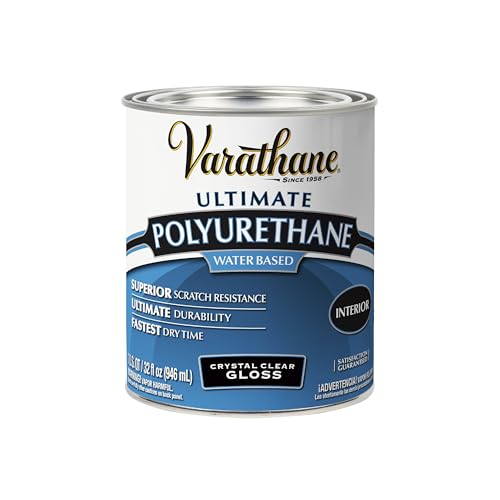
Varathane Water-Based Gloss Polyurethane is the non-lacquer alternative: a water-based polyurethane for indoor wood, including furniture, windows, cabinets and trim. Varathane says it dries to the touch in 30 minutes, covers up to 125 square feet per quart and can be recoated after two hours; cleanup uses soap and water. The maker also claims stain and scratch resistance. Consider it when a water-based wood coating is more important than matching lacquer. It is not a lacquer, so it does not meet a request specifically for Watco lacquer.
Bottom line: Choose this if a water-based interior polyurethane better fits the wood project.
Rust-Oleum Automotive Clear Gloss Lacquer
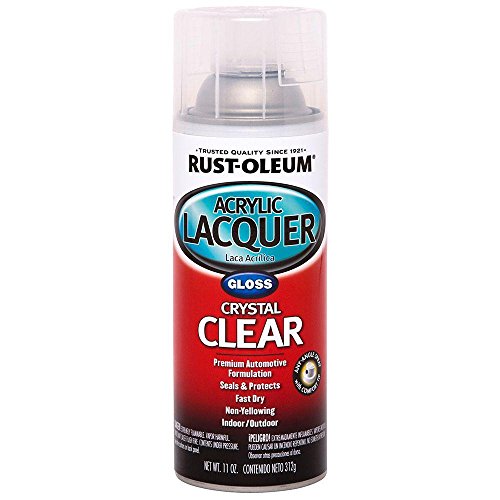
Rust-Oleum Automotive Clear Gloss Lacquer is formulated for cars, trucks, trailers, RVs and automotive accessories, making its intended use distinct from the furniture-oriented Watco finish. The clear gloss lacquer adheres to metal, and Rust-Oleum says it dries to the touch in 20 minutes and covers 8 to 10 square feet per can. Its any-angle spray feature supports spraying in different orientations, and the maker says the dry finish can be machine- or hand-buffed. This is a focused choice for automotive work, not a general wood-finish substitute.
Bottom line: Pick this for a clear glossy lacquer on automotive projects and accessories.
How to choose a clear lacquer finish
Choose by sheen, surface and application method before comparing drying times. Satin reduces the reflective look, while gloss gives a brighter, more reflective appearance; test sheen on a hidden area or sample because the underlying wood and lighting affect the result. Spray cans suit small or shaped projects, while brushing lacquer can make sense on broad, accessible wood surfaces. Apply thin, even coats rather than trying to build the full film at once; heavy coats are more likely to run or look uneven. If the project is indoors, use a water-based polyurethane instead only when lacquer is not a requirement, since polyurethane is a different finish type.
Where lacquer fits compared with polyurethane
Lacquer and polyurethane are separate coating types, so choose according to the product label and the existing finish rather than assuming they can be substituted. Lacquer products here range from wood-focused finishes to a multi-surface spray and a purpose-made automotive coating. The water-based polyurethane is specified for indoor wood and claims stain and scratch resistance; it is not lacquer. A practical decision rule is to select a product explicitly intended for the material and setting, then keep the coating system consistent instead of layering unrelated finishes. For automotive metal, use an automotive product; for cabinets or furniture, stay with a wood finish made for that work.
| Project need | Finish type to consider | Distinguishing factor |
|---|---|---|
| Satin wood finish | Wood lacquer spray | Lower sheen than gloss |
| Wood coating applied by brush | Brushing lacquer | Quart format; two-hour stated recoat |
| Interior wood, water-based coating | Polyurethane | Not a lacquer |
| Vehicle or automotive accessory | Automotive lacquer | Intended for automotive use |
Prepare and apply lacquer safely
Lacquer spray creates airborne mist and solvent vapor, so work outdoors or with strong cross-ventilation, keep it away from flames and sparks, and use the respiratory and eye protection required by the product label. Aerosol vapors and overspray can affect nearby people and surfaces; keep others clear and mask surrounding areas. Clean, dry surfaces help coatings adhere, and light, even passes reduce runs compared with a wet, heavy pass. Follow the can’s directions for distance, recoat timing and temperature, since those instructions are specific to each formula. Do not spray near an ignition source, and never assume a coating is safe to apply in an occupied room just because it dries quickly.
Plan sheen, coverage and recoat timing
Coverage and recoat windows vary by formula and application, so use the specific can or container figures when estimating materials and timing. The Rust-Oleum spray coverage ranges from up to 7 square feet for the general clear lacquer to 8–10 square feet for the automotive lacquer; the polyurethane claims up to 125 square feet per quart. These numbers are not direct comparisons of equal containers or application methods. For any finish, make a small test patch and let it dry before committing to the full surface, especially when matching an existing sheen. Allow the full cure time before handling or placing objects on the coated surface; touch-dry does not mean fully cured.
Frequently Asked Questions
Can clear lacquer go over an existing finish?
Only apply lacquer over a finish when the coating makers confirm compatibility. Test a hidden area first, because solvents can soften or wrinkle an incompatible coating; do not assume polyurethane and lacquer can be layered safely.
How many coats of lacquer should I apply?
Use the number of coats and recoat window on the product label, applying light, even coats rather than one heavy coat. A sample panel helps reveal whether the sheen and build are right before finishing the whole project.
Does touch-dry lacquer mean fully cured?
No; touch-dry means the surface feels dry, not that the coating has reached full hardness. Keep the surface from heavy handling until the container’s cure guidance allows it.
Is lacquer safe to spray indoors?
Spraying lacquer indoors can expose people to mist and solvent vapors, so outdoor application or strong cross-ventilation is the safer approach. Keep it away from flames and sparks, and use the label’s specified protective equipment.
How do I choose satin or gloss lacquer?
Choose satin when you want less reflection and gloss when you want a more reflective finish. Test a sample first, because lighting and the wood’s color can change how either sheen appears.