
Water Soluble Oil Pastels: 3 Sets Compared by Use

Mont Marte Watersoluble Oil Pastels, 48 Colors is the best fit for most artists seeking water soluble oil pastels because it combines 48 colors with dry and water-activated techniques. Choose HA SHI Water-Soluble Oil Pastels, 24 Colors instead for a smaller 24-color set, or Crayola Water-Soluble Oil Pastels Classpack, 300 Count when you need a high-volume classroom supply.
Water soluble oil pastels are drawing sticks that can be used dry or worked with water for wash-like effects; a damp brush lets you soften marks without changing the initial drawing.
We earn a commission if you buy through links on this page. As an Amazon Associate I earn from qualifying purchases. Products are compared on manufacturer specifications, not hands-on testing.
- Best overall: Mont Marte Watersoluble Oil Pastels, 48 Colors – Its 48 colors and dry-or-wet use cover a broad range of drawing and wash techniques.
- Best for compact color range: HA SHI Water-Soluble Oil Pastels, 24 Colors – The 24-color set has 3.15-inch sticks and is designed for brush-activated washes.
- Best for classrooms: Crayola Water-Soluble Oil Pastels Classpack, 300 Count – The class pack includes 300 pastels, with 25 sticks in each of 12 colors.
| Product | Best for | Color count | Intended use | Shop |
|---|---|---|---|---|
| Mont Marte Watersoluble Oil Pastels, 48 Colors | Versatile studio work | 48 colors | Art, craft, coloring and sketching | Check Price on Amazon |
| HA SHI Water-Soluble Oil Pastels, 24 Colors | Mixed-media journaling | 24 colors | Paper, canvas, mixed-media journals | Check Price on Amazon |
| Crayola Water-Soluble Oil Pastels Classpack, 300 Count | Classroom supplies | 12 colors | Classroom use, ages 5 and up | Check Price on Amazon |
Water Soluble Oil Pastels Compared
Compare these sets by the number of colors, package size and the way each set is intended to be used.
Mont Marte Watersoluble Oil Pastels, 48 Colors

Mont Marte Watersoluble Oil Pastels, 48 Colors stands out for pairing a 48-color range with both dry drawing and water-activated effects. The sticks have a smooth texture for blending and layering, and the set can be used on paper, card and canvas. The maker also identifies oil-medium or turpentine techniques for glazes and sgraffito, so this set extends beyond brush-and-water work. Each pastel is paper-wrapped and the set comes in a storage tin. This is a flexible choice for artists who want many colors in one set; its 48 sticks are fewer than the classroom-sized pack in this comparison.
Bottom line: Choose it for a broad palette and several approaches to mark-making.
HA SHI Water-Soluble Oil Pastels, 24 Colors

HA SHI Water-Soluble Oil Pastels, 24 Colors is the most compact color selection here, with 24 sticks measuring 3.15 inches long. The maker describes a dry-to-wet workflow: draw first, then brush water over the marks to blend them into soft washes. The set is intended for paper, canvas and mixed-media journals, and its longer stick format may suit artists who want a substantial grip for individual strokes. This choice makes sense when the wet-brush technique is central and a smaller palette is enough. It has half the colors of the 48-color sets, so it offers fewer color choices in a single package.
Bottom line: Pick it when a 24-color palette and brush-activated washes suit your project.
Crayola Water-Soluble Oil Pastels Classpack, 300 Count
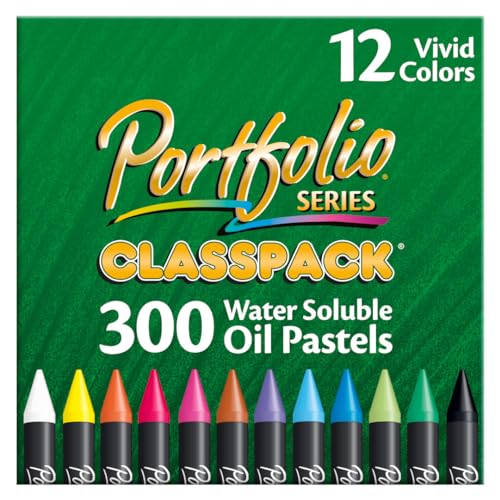
Crayola Water-Soluble Oil Pastels Classpack, 300 Count is the classroom-oriented option, with 300 pastels divided into 12 colors and 25 sticks of each color. The colors are separated into sections in an organized storage box, a practical format for distributing and returning supplies in group activities. The pastels can be used wet or dry, and the maker identifies the set for children ages 5 and up. This is a better match for a class than for an artist seeking the broadest palette: the 12-color range is narrower than either artist-focused set here. For children, supervise use and keep art materials out of mouths.
Bottom line: Choose it when a large, organized supply of basic colors is the priority.
How to choose water soluble oil pastels
Choose by color range and technique first: a larger palette gives more ready-made color options, while wet activation depends on having water and a brush available. Water-soluble pastels lay down colored material dry; brushing water over the marks disperses some pigment into a wash. Start with a light touch and add water gradually, since a heavily saturated area can blur edges and take longer to dry. Use paper intended for wet media when you plan to add substantial water; ordinary thin drawing paper can buckle. For a small palette, 24 colors cover fewer ready-mixed options than a 48-color set, while classroom packs trade palette breadth for many repeat sticks. Decide whether you need varied colors for one artist or multiples of core colors for a group before choosing.
Using water and paper with oil pastels
Use a damp brush rather than flooding the drawing: controlled water lets you soften lines while preserving dry marks elsewhere. Watercolor paper commonly comes in 140-pound weight, a more robust starting point for wet techniques than lightweight sketch paper; heavier paper generally tolerates more water. Paper surface also changes the result: textured paper catches pigment differently from smooth paper, so make a small test swatch before committing to a finished work. Let wet passages dry before adding more layers to reduce muddy color. These are drawing materials, not food or face paint; avoid ingestion and wash hands after art-making, especially when children are using them. Keep brushes and water containers separate from drinking supplies.
Water-soluble and conventional oil pastels
Water-soluble pastels add a water-brush option that conventional oil pastels do not generally provide, while both formats can make dry marks and layered color. Oil pastel drawings can also be worked with non-water solvents, but solvent use brings ventilation and handling considerations; do not assume a water-soluble set requires solvents for its wash effect. This comparison includes three water-soluble sets and one standard oil pastel set, so the standard set is excluded from the choices. Use this distinction to avoid a common mismatch: a set that merely says “oil pastels” is not necessarily intended to dissolve with water. Check the package wording for water-soluble or wet-and-dry use when the brush wash is essential.
| Need | Set format | Trade-off |
|---|---|---|
| More colors for one artist | 48-color set | Fewer sticks than a class pack |
| Compact palette | 24-color set | Fewer color choices |
| Repeated classroom supplies | 300-count pack, 12 colors | Narrower palette |
Common mistakes with water-soluble pastels
The most common mistake is using too much water at once: a saturated brush can spread pigment beyond the intended marks and make thin paper buckle. Test water amount on scrap paper, then work in small areas. Another mistake is assuming that every pastel set with an oil-pastel name will make a water wash; confirm water-soluble or wet-and-dry wording when that technique matters. Avoid treating these sticks as watercolor paint: they begin as solid drawing marks, so the brush has to pick up and move pigment from the surface. For classroom use, store colors by section and supervise younger children; keep sticks away from mouths and use them on paper rather than skin.
Frequently Asked Questions
How do you activate water soluble oil pastels?
Draw dry, then pass a damp brush over the marks to soften and spread color. Add water in small amounts so you can control the wash and avoid oversaturating thin paper.
What paper works best for wet pastel techniques?
Paper made for watercolor or mixed media is a practical choice because it tolerates more water than lightweight sketch paper. A 140-pound watercolor sheet is a common starting point for wet work.
Can you layer water soluble oil pastels?
Yes, apply dry marks in layers and use water selectively when you want to blend an area. Let a wet passage dry before adding another layer to reduce unwanted color mixing.
Are water soluble oil pastels safe for children?
Some sets are specifically identified for children ages 5 and up, but pastels are art materials, not food or face paint. Supervise children, discourage mouthing, and wash hands after use.
Do water soluble pastels need a solvent?
No solvent is needed for their water-activated wash effect; a damp brush can soften dry marks. Solvent techniques are separate and require careful handling and ventilation.