
Wood Filler for Teak: 5 Options Compared by Color

For a teak-colored filler, choose Rustins Acrylic Wood Filler, Teak because its specified color is Teak; it is an acrylic filler for interior and exterior repairs. Choose another option if you need a wood-fiber filler or a natural shade for a repair you plan to stain.
Wood filler is a paste used to fill small cracks, holes and other surface defects; matching the cured repair to teak can be difficult because wood color and finish vary.
We earn a commission if you buy through links on this page. As an Amazon Associate I earn from qualifying purchases. Products are compared on manufacturer specifications, not hands-on testing.
- Best overall: Rustins Acrylic Wood Filler, Teak – Its specified Teak color is the closest direct match for a teak repair.
- Best for larger repairs: FamoWood Original Oak/Teak, Pint – The 23 oz package offers more filler than the 6 oz container.
- Best for natural shade: Gorilla All Purpose Wood Filler, 6 oz – The water-resistant formula is suitable for indoor or outdoor repairs.
| Product | Best for | Color | Package size | Formula | Shop |
|---|---|---|---|---|---|
| Rustins Acrylic Wood Filler, Teak | Teak-colored repairs | Teak | 250 mL | Acrylic | Check Price on Amazon |
| FamoWood Original Oak/Teak, Pint | Larger wood repairs | Oak | 23 oz | Solvent-based, wood fiber | Check Price on Amazon |
| FamoWood Original Oak/Teak, 6 oz | Small wood repairs | Oak | 6 oz | Solvent-based, wood fiber | Check Price on Amazon |
| Gorilla All Purpose Wood Filler, 6 oz | Water-resistant repairs | Natural | 6 oz | — | Check Price on Amazon |
| Gorilla All Purpose Wood Filler, 16 oz | Larger outdoor repairs | Natural | 16 oz | Acrylic | Check Price on Amazon |
Wood filler for teak
Compare the shades, package sizes and formulas to choose a filler that suits the repair and planned finish.
Rustins Acrylic Wood Filler, Teak

Rustins Acrylic Wood Filler, Teak is the only option here with Teak as its specified color, making it the most direct choice when shade matters. The acrylic filler is intended for cracks, gaps and holes, and the maker says it dries quickly and can be sanded, painted or stained for interior and exterior repairs. Its 250 mL package is a practical size for a modest repair. A color label cannot guarantee an invisible match: teak varies with age and finish, so this may matter most on a visible, clear-finished surface.
Bottom line: Choose it when a teak-colored filler is your priority.
FamoWood Original Oak/Teak, Pint
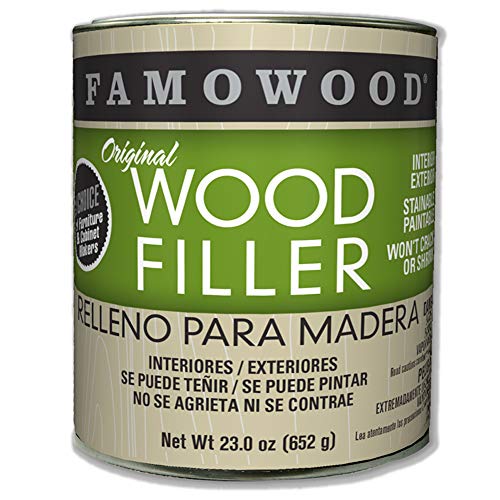
FamoWood Original Oak/Teak, Pint stands apart with a solvent-based formula made with actual wood fibers, rather than an acrylic filler. The maker says it can be sawed, drilled, sanded, planed and nailed, and that it takes stain and paint evenly with minimal sanding. Its 23 oz package is larger than the smaller FamoWood option, which suits a project involving several defects. The specified color is Oak, despite the Oak/Teak wording in the product name, so it is a less certain pick when the repair needs to blend with exposed teak.
Bottom line: Pick it for a larger repair where wood-fiber workability matters more than a confirmed teak shade.
FamoWood Original Oak/Teak, 6 oz

FamoWood Original Oak/Teak, 6 oz provides the same solvent-based, actual-wood-fiber approach as the larger FamoWood container, but in a 6 oz package. The maker says the filler can be worked with saws, drills, sandpaper, planes and nails, and that it accepts stain and paint evenly. That makes it relevant for a small repair that will receive a finish, rather than a request for a specifically teak-colored compound. Its specified color is Oak; test the shade on a hidden area before using it where the filled spot will remain visible.
Bottom line: Choose it for a small repair that will be stained or painted after filling.
Gorilla All Purpose Wood Filler, 6 oz
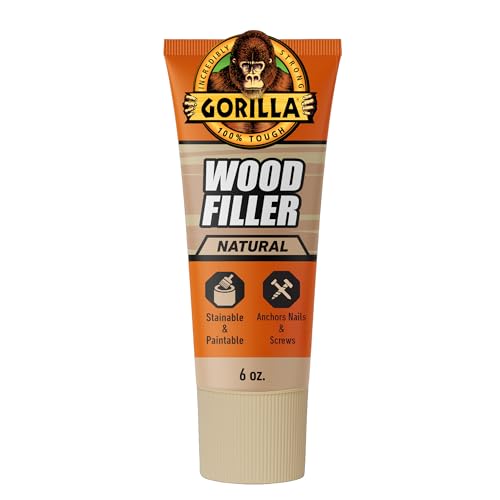
Gorilla All Purpose Wood Filler, 6 oz differs from the teak-colored choice with its natural shade and water-resistant formula. The maker says it is intended for indoor or outdoor repairs, resists shrinking or cracking, and can be sanded, painted or stained; it also says the filler can anchor nails and screws. The 6 oz tube suits a smaller job. Natural is not a teak-specific color, so the shade may show through a transparent finish; this matters less when the repair will be painted or concealed.
Bottom line: Pick it for a small repair where water resistance matters more than a teak shade.
Gorilla All Purpose Wood Filler, 16 oz

Gorilla All Purpose Wood Filler, 16 oz is the larger Gorilla option, with a 16 oz tub instead of the 6 oz tube. Its natural-colored filler is described by the maker as water-resistant and suitable for indoor or outdoor repairs; the maker also says it is sandable, stainable and paintable, and can anchor nails and screws. The larger package suits multiple gaps or a broader repair. Its natural shade is not a direct teak match, so choose it when the repair can be painted or when exact color blending is not essential.
Bottom line: Choose it when you need more filler for repairs that do not require a teak-specific shade.
How to choose wood filler for teak
For exposed teak, start with the closest color and then consider the finish: a filler shade alone does not ensure a seamless repair. Teak changes in appearance with age, light exposure and the finish applied, while a filled area may absorb stain differently from the surrounding wood. For a repair that will be painted, shade matters less than whether the filler can be sanded and painted. For a clear or oil finish, test a small amount on a hidden spot or scrap of similar wood before filling the visible defect. Pick a package sized to the repair, and avoid filling a structural split that needs a joinery repair instead.
Teak color and finish matching
A teak-colored label is a starting point, not a guarantee of a perfect match. Teak ranges from lighter golden-brown to darker brown as it ages and its finish changes, so a new patch may stand out beside weathered wood. Stainable filler is not the same as wood: the surrounding grain and the filler can take pigment differently. For the least conspicuous repair, test the filler after it dries and is sanded, then evaluate it with the finish you plan to use. A transparent finish reveals more mismatch than opaque paint. If a color match is critical, confirm the package shade before ordering.
Filler types compared for teak repairs
Acrylic fillers and solvent-based wood-fiber fillers suit different repair plans. Acrylic options in this comparison emphasize sandability and paintability, while the FamoWood options are solvent-based and contain wood fibers; the maker says they can be worked with common woodworking tools. Use this table to narrow the type, then match the color and package to the job. Product claims about water resistance or outdoor use come from the respective makers; they do not establish suitability for every exposure or finish. For a visible exterior patch, test color and finish compatibility before applying filler over the full repair.
| Repair need | Type to consider | Trade-off |
|---|---|---|
| Teak-labeled shade | Teak-colored acrylic | Shade still needs matching to the wood and finish |
| Workable filler for a stained repair | Solvent-based wood-fiber filler | Specified color may be Oak rather than a direct teak shade |
| Natural shade and water-resistant claims | All-purpose filler | Natural is not teak-specific |
Applying filler without a visible patch
Clean loose debris and finish from a small defect before filling so the compound contacts sound wood; do not pack filler into a damp or dirty opening. Apply slightly more than the defect needs if the product instructions allow, since sanding can level a small proud area after curing. Drying time depends on the product, repair depth, temperature and ventilation, so do not sand or coat it until it is ready. Sand with the grain and remove dust before finishing. Wear eye protection when sanding, and use ventilation with solvent-based fillers; keep those products away from ignition sources and follow their container safety directions.
Frequently Asked Questions
Will teak-colored filler match aged teak?
Not necessarily; teak’s color changes with age, light exposure and finish. Test the dried, sanded filler with the intended finish on a hidden spot before making a visible repair.
Can wood filler be used on outdoor teak?
Some fillers are marketed for indoor and outdoor repairs, but exterior exposure and the finish affect durability. Choose a product whose maker specifies outdoor use, and keep the filled repair protected as directed on its container.
Should teak filler be stained before or after sanding?
Sand the cured filler level before applying a stain or finish, unless its container gives a different sequence. A test patch matters because filler and teak can absorb stain differently.
How deep can a wood filler repair be?
There is no single safe depth across filler formulas; deeper voids may dry unevenly or need multiple applications. Follow the product’s application limits and fill a deep defect in stages only if its instructions allow.
Can I use wood filler for a split teak board?
Filler is for surface defects such as small cracks, gaps and holes, not for restoring a board’s structural strength. If the split moves under pressure or crosses a joint, repair the wood structure rather than relying on filler alone.