
ZEISS Conquest V4 3-12×44 Riflescopes Compared

For a 3-12×44 ZEISS Conquest V4, ZEISS Conquest V4 3-12×44 Z-Plex #20 suits buyers who want a Z-Plex reticle and capped turrets with a stated .25 MOA adjustment. Choose ZEISS Conquest V4 3-12×44 Z-Plex 20 instead if its 30mm tube and ballistic stop are the deciding features; ZEISS Conquest V4 3-12×56 Illu Plex #60 is a related 3-12×56 model, not a 44mm match.
We earn a commission if you buy through links on this page. As an Amazon Associate I earn from qualifying purchases. Products are compared on manufacturer specifications, not hands-on testing.
- Best overall: ZEISS Conquest V4 3-12×44 Z-Plex #20 – Pairs the requested 3-12×44 configuration with a Z-Plex reticle, capped turrets and .25 MOA adjustment.
- Best for 30mm mounts: ZEISS Conquest V4 3-12×44 Z-Plex 20 – The product name specifies a 30mm tube and its features include a ballistic stop.
- Best for a larger objective: ZEISS Conquest V4 3-12×56 Illu Plex #60 – Its 56mm objective is larger than the requested 44mm size, with an illuminated Plex reticle.
| Product | Best for | Objective | Reticle | Shop |
|---|---|---|---|---|
| ZEISS Conquest V4 3-12×44 Z-Plex #20 | Capped turrets | 44mm | Z-Plex #20 | Check Price on Amazon |
| ZEISS Conquest V4 3-12×44 Z-Plex 20 | 30mm tube | 44mm | Z-Plex 20 | Check Price on Amazon |
| ZEISS Conquest V4 3-12×56 Illu Plex #60 | 56mm objective | 56mm | Illu Plex #60 | Check Price on Amazon |
ZEISS Conquest V4 3-12×44 Riflescopes
Compare the matching 44mm options first, then consider the 56mm variant if that larger objective suits your setup.
ZEISS Conquest V4 3-12×44 Z-Plex #20

ZEISS Conquest V4 3-12×44 Z-Plex #20 is the 44mm configuration with capped turrets and a stated .25 MOA adjustment, making it the direct match for buyers seeking that combination. It has a 3-12x magnification range, Z-Plex #20 reticle, fixed parallax and LotuTec coating. ZEISS says its optics provide 90% light transmission and that T* coating is tuned to each lens. The limitation is fixed parallax, which offers no parallax adjustment for different target distances; buyers who need that adjustment should look for a scope that specifies it.
Bottom line: Choose this if capped turrets and the Z-Plex #20 reticle are your priorities.
ZEISS Conquest V4 3-12×44 Z-Plex 20

ZEISS Conquest V4 3-12×44 Z-Plex 20 distinguishes itself with a specified 30mm tube and a ballistic stop, while keeping the requested 3-12×44 size and Z-Plex 20 reticle. It is a second-focal-plane scope. ZEISS says the model has 90% light transmission, T* coating and LotuTec coating. Confirm the mounting ring diameter before choosing rings.
Bottom line: Pick this when your mount requires a 30mm tube and you want a ballistic stop.
ZEISS Conquest V4 3-12×56 Illu Plex #60
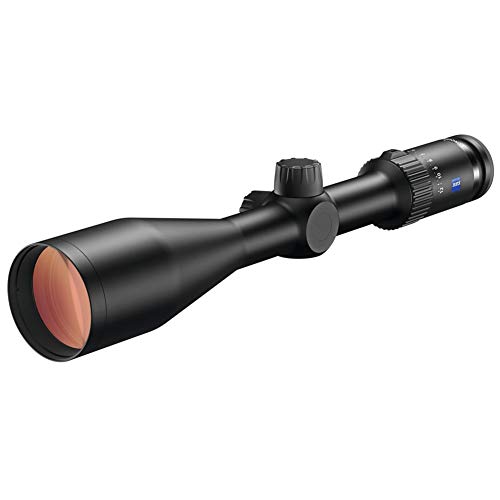
ZEISS Conquest V4 3-12×56 Illu Plex #60 keeps the same 3-12x magnification range but changes to a 56mm objective and an illuminated Plex #60 reticle, so it is a related alternative rather than a 44mm match. It has capped elevation, fixed parallax and .25 MOA adjustment. ZEISS says its optics provide 90% light transmission and describes the T* and LotuTec coatings as supporting image clarity in challenging light and weather. The larger objective can require higher rings and more clearance; buyers committed to a 44mm setup should stay with one of the exact-size options.
Bottom line: Choose this if you want a 56mm objective and illuminated reticle rather than a 44mm scope.
How to choose a 3-12×44 riflescope
Start with the reticle, adjustment controls and tube size, because those determine whether the scope fits your intended setup. A 3-12x scope offers a fourfold magnification range: 3x gives a wider view for locating a target, while 12x makes aiming details appear larger but narrows the field of view. The 44mm objective at 12x yields an approximate 3.7mm exit pupil, calculated by dividing objective diameter by magnification. Check that the reticle type and turret style match how you aim and adjust; capped turrets guard against accidental movement, while a ballistic stop is a distinct control feature. Confirm ring diameter and clearance against your rifle before mounting.
What the 44mm and 56mm objective sizes change
A 56mm objective is 12mm wider than a 44mm objective, while both variants here share the 3-12x magnification range. At 12x, the approximate exit pupil is 4.7mm for 56mm and 3.7mm for 44mm; at 3x, the figures are about 18.7mm and 14.7mm. Exit pupil is objective diameter divided by magnification, but a larger figure alone does not guarantee a brighter view because glass, coatings and the shooter’s eye also matter. The larger front lens can call for taller mounting rings and can reduce clearance above the barrel. If the rifle has limited space above the barrel or a low cheek position, the 44mm size may be easier to accommodate.
Reticles and scope controls compared
The reticle and adjustment setup are not interchangeable: the 44mm options use Z-Plex reticles, while the 56mm model has an illuminated Plex reticle. A second-focal-plane reticle stays the same apparent size as magnification changes, so any reticle subtensions intended for holdovers apply at a particular magnification set by the manufacturer. Use the scope’s manual to identify that setting before relying on subtensions. Here is the practical distinction between these choices:
| Need | Relevant configuration | Tradeoff |
|---|---|---|
| 44mm objective and capped turrets | Z-Plex #20, .25 MOA adjustment | Fixed parallax |
| 30mm tube with ballistic stop | Z-Plex 20, second focal plane | Reticle illumination is not identified |
| 56mm objective and illuminated reticle | Illu Plex #60, capped elevation | Larger objective can need higher rings |
Turret adjustment values are angular increments: .25 MOA corresponds to about 0.26 inch at 100 yards, so four clicks move impact about 1 inch at that distance when the scope tracks correctly.
Mounting and safe setup
Unload the rifle and verify the chamber is empty before installing or adjusting a scope; keep the muzzle pointed in a safe direction throughout setup. Tube diameter must match the rings, so a specified 30mm tube requires 30mm rings rather than 1-inch rings. Level the reticle to the rifle and check that the objective bell clears the barrel and any front sight through the full adjustment range. Eye relief is model-specific, and these products do not give a figure here, so confirm eye position and safe clearance with the actual rifle before live fire. After mounting, zero at a known distance and verify the point of impact again after any major adjustment or removal.
Frequently Asked Questions
What does 3-12x mean on a riflescope?
The scope magnifies the view from 3x to 12x, a fourfold range. Lower magnification gives a wider field of view, while higher magnification makes the target appear larger and narrows that view.
How do you calculate a riflescope’s exit pupil?
Divide objective diameter by magnification. A 44mm objective at 12x gives about 3.7mm, while the same objective at 3x gives about 14.7mm.
Does a 30mm scope tube collect more light?
A 30mm tube diameter by itself does not establish that a scope gathers more light than a 1-inch tube. Objective size, magnification, optical design and coatings also affect the view.
Do second-focal-plane reticles change size with magnification?
No, a second-focal-plane reticle appears the same size as magnification changes. Reticle subtensions used for holdovers are generally calibrated at a designated magnification, so verify the specified setting before using them.
What ring size fits a 30mm scope tube?
A scope with a 30mm tube needs rings made for a 30mm tube. Objective-bell clearance and cheek position also affect ring height, so check fit on the rifle before final tightening.