
37-Ton Champion Log Splitter: Fit and Specs Compared

The Champion 37-ton splitter is the direct match for buyers who need a gas-powered machine that switches between horizontal and vertical operation. Choose a different splitter if you want electric power or more rated force; the cover is for storage, not splitting.
We earn a commission if you buy through links on this page. As an Amazon Associate I earn from qualifying purchases. Products are compared on manufacturer specifications, not hands-on testing.
- Best overall: Champion 37-Ton Gas Log Splitter – The 37-ton gas splitter switches between horizontal and vertical positions and has a 16-second cycle time.
- Best for higher rated force: Full Boar 38-Ton Log Splitter – Its 38-ton rating and 13.8-second cycle distinguish it from the Champion model.
- Best for maximum rated force: BILT HARD 40-Ton Gas Log Splitter – The 40-ton model offers the highest rated force among the splitters.
| Product | Best for | Splitting force | Cycle time | Engine or power | Shop |
|---|---|---|---|---|---|
| Champion 37-Ton Gas Log Splitter | Versatile gas splitting | 37 tons | 16 seconds | 338cc gas engine | Check Price on Amazon |
| Full Boar 38-Ton Log Splitter | Quicker cycle time | 38 tons | 13.8 seconds | 306cc gas engine | Check Price on Amazon |
| BILT HARD 40-Ton Gas Log Splitter | Higher rated force | 40 tons | — | 389cc gas engine | Check Price on Amazon |
| Champion 30–37-Ton Storage Cover | Splitter storage | — | — | — | Check Price on Amazon |
| PPOLB 7-Ton Electric Log Splitter | Compact electric use | 7 tons | — | 1500W / 15A electric | Check Price on Amazon |
37 Ton Champion Log Splitter and Alternatives
Compare the machines by force, cycle time and power source, and consider the cover separately as a storage accessory.
Champion 37-Ton Gas Log Splitter

The Champion 37-ton splitter is the only machine with both a horizontal-to-vertical conversion and a tow-speed specification. Its 338cc OHV engine, 16-second cycle time and auto-return valve suit buyers handling larger logs who want two working positions. Champion says the valve can manage over 220 cycles per hour, and the machine is towable up to 45 mph with a 2-inch ball hitch. At 542 pounds, it is a substantial machine; buyers seeking a compact electric splitter should choose another type.
Bottom line: Choose this for gas-powered splitting with horizontal and vertical operation.
Full Boar 38-Ton Log Splitter

The Full Boar offers a 13.8-second cycle, faster than the Champion’s 16-second cycle, and a 38-ton rating. Its 306cc OHV engine and adjustable-detent auto-return valve are aimed at buyers who prioritize cycle speed and rated force. The heavy-duty H-beam frame and a hydraulic oil filter mounted inside the reservoir are additional design features. Unlike the Champion, the product facts do not establish horizontal/vertical conversion or towing specifications, so buyers who need either capability should verify fit before choosing.
Bottom line: Choose this if cycle speed and a 38-ton rating lead your priorities.
BILT HARD 40-Ton Gas Log Splitter

The BILT HARD is the highest-force machine among the splitters, rated at 40 tons and powered by a 389cc, 13-horsepower OHV engine. It is designed for horizontal and vertical operation and includes a two-stage gear pump, auto return, 16-inch DOT-certified tires, and a 2-inch ball coupler with 24-inch safety chains. Its tow-speed limit is 45 mph. The available product facts do not give a cycle time, so buyers comparing work pace should confirm that figure before deciding.
Bottom line: Choose this when the 40-ton rating and dual-position operation matter most.
Champion 30–37-Ton Storage Cover
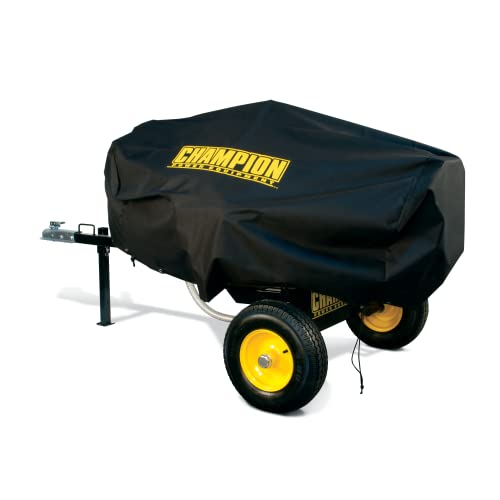
The Champion cover is a storage accessory rather than a competing splitter, sized for Champion 30–37-ton machines. Its polyester exterior is weather-resistant, and an adjustable drawstring secures the cover in storage. This suits an owner protecting a compatible splitter from sun, rain, or snow when it is not in use. The cover does not add splitting capacity or replace a machine; confirm that its fit matches your splitter before ordering, especially since the product name and fit wording vary in the tonnage range.
Bottom line: Choose this only if you need a compatible storage cover.
PPOLB 7-Ton Electric Log Splitter

The PPOLB is the only electric splitter in this group, with a 7-ton rating and a 1500-watt, 15-amp motor rather than a gas engine. Its compact horizontal format is intended for home or garage use, and the maximum log dimensions are 21.2 inches long and 12 inches in diameter. That makes it a different scale of tool from the Champion 37-ton machine: buyers handling large, heavy logs should favor a higher-force splitter, while those who need electric power should compare its capacity with their wood.
Bottom line: Choose this for compact electric splitting within its log dimensions.
How to Choose a 37-Ton Log Splitter
Choose by log size, splitting position, power source and where the machine will work, not by tonnage alone. Force ratings in this group range from 7 to 40 tons, while the gas machines list engine sizes from 306cc to 389cc; a larger force rating does not tell you the cycle time or the maximum log size. The Champion is the direct 37-ton choice with a 16-second cycle and horizontal/vertical conversion. The Full Boar lists 13.8 seconds, while the BILT HARD provides a 40-ton rating but no cycle time in the product facts. If a machine must fit a garage or be moved by hand, compare its dimensions and weight, not just force.
Gas splitters avoid dependence on an outlet but need fuel and engine maintenance. Electric splitters need a suitable power connection and trade portability for a simpler, lower-capacity format; check motor amperage against the circuit before use.
Horizontal and Vertical Log Splitter Operation
Horizontal/vertical conversion matters when lifting a log onto a beam becomes difficult: vertical operation lets the log remain on the ground while the wedge works. Among these machines, the Champion and BILT HARD explicitly offer both positions; the Full Boar and PPOLB are not established here as convertible. Use horizontal mode for manageable rounds and vertical mode when a round is too heavy to lift safely. Do not exceed a splitter’s rated force or its log-size limits, and keep hands clear of the wedge and pinch points during every cycle.
For transport, the Champion and BILT HARD name 16-inch tires, a 2-inch ball coupler and towing up to 45 mph; the Champion also specifies an extended tongue. Towable equipment still needs a compatible tow vehicle, hitch and legal transport setup. A 542-pound machine is not a hand-carried tool, so plan where it will be parked and how it will be moved before purchase.
Log Splitter Types Compared by Workload
Match splitter type to the rounds you actually split: electric models suit smaller-scale work near power, while higher-force gas machines target heavier logs and remote work. A useful decision rule is to choose the 7-ton electric type only when the log stays within its 21.2-inch length and 12-inch diameter limits; for larger rounds, compare the gas machines’ force ratings and operating positions.
The figures below summarize the distinctions that affect selection.
| Need | Relevant choice | Decision point |
|---|---|---|
| Electric home use | 7-ton electric | Up to 21.2 inches long and 12 inches diameter |
| 37-ton gas operation | Champion | 16-second cycle, two positions |
| Shorter stated cycle | Full Boar | 13.8 seconds, 38 tons |
| Highest force | BILT HARD | 40 tons, two positions |
Cycle time is only one part of pace: wood species, knotting, round diameter and how quickly the operator reloads all affect actual output. Keep rounds within the maker’s rated limits and split dry, knot-heavy or crooked wood cautiously because grain can change how a round separates.
Storage Covers and Splitter Care
A fitted, weather-resistant cover helps shield a stored splitter from sun, rain and snow, but covering equipment while wet can trap moisture. The Champion cover is intended for its 30–37-ton splitter range and uses an adjustable drawstring; match the cover to the machine’s dimensions and allow equipment to cool before covering. Keep a splitter on stable ground, clear of standing water, and store fuel-powered equipment according to its engine manual.
Hydraulic splitters also need routine checks of hydraulic fluid, hoses, fittings and fasteners; inspect for leaks before operation and stop if a hose is damaged. Engine oil, air-filter and spark-plug service intervals depend on the engine and operating conditions, so use the engine manual’s schedule rather than assuming one interval fits every model. Keep the wedge and work area clear of debris to reduce trip and pinch hazards.
Frequently Asked Questions
What does a 16-second cycle time mean on a log splitter?
A 16-second cycle is the time for the splitting mechanism’s cycle, not a promise of 220 finished logs per hour. Reloading, removing split wood and difficult grain add time between cycles.
Can a 37-ton splitter work on large rounds vertically?
A machine that converts to vertical operation lets a heavy round stay on the ground instead of being lifted onto the beam. The Champion is specified to convert from horizontal to vertical; still keep rounds within the machine’s operating limits.
How fast can the Champion splitter be towed?
The Champion machine is specified for towing up to 45 mph and uses a 2-inch ball hitch coupler. Confirm the tow vehicle and hitch are compatible, and follow local towing rules.
What log size can a 7-ton electric splitter handle?
The PPOLB is specified for logs up to 21.2 inches long and 12 inches in diameter. Choose a higher-force machine if your rounds exceed either dimension or routinely include difficult grain.
How should a log splitter be stored outdoors?
Use a fitted weather-resistant cover and store the splitter on stable, drained ground; a cover protects against weather but does not prevent moisture already trapped beneath it. Let hot equipment cool before covering and inspect hydraulic components before the next use.