
50% Glycolic Acid Peel: 5 Strengths Compared

Glycolic Acid 50% Gel Peel is the closest fit for a 50% glycolic acid peel because it specifically advises using a lower strength before moving to 50%. A 50% peel is a high-concentration exfoliant, not a beginner starting point; choose a lower-strength option if you are new to chemical peels or have sensitive skin.
We earn a commission if you buy through links on this page. As an Amazon Associate I earn from qualifying purchases. Products are compared on manufacturer specifications, not hands-on testing.
- Best overall: Glycolic Acid 50% Gel Peel – Its instructions specifically recommend trying a lower peel strength before using 50%.
- Best for larger bottle: Advanced Skin Care 50% Serum Peel – The 50% serum comes in a 2-ounce size, compared with 1 ounce for the other 50% option.
- Best for stepping up gradually: Glycolic Acid 30% Gel Peel – Its 30% gel is a lower-concentration alternative to the 50% peels.
| Product | Best for | Strength | Format | Size | Shop |
|---|---|---|---|---|---|
| Glycolic Acid 50% Gel Peel | Experienced peel users | 50% | Gel | 1 fl oz | Check Price on Amazon |
| Advanced Skin Care 50% Serum Peel | Serum format | 50% | Serum | 2 fl oz | Check Price on Amazon |
| Glycolic Acid 30% Gel Peel | Lower-strength option | 30% | Gel | 1 fl oz | Check Price on Amazon |
| Glycolic Acid 70% Serum Peel | Higher-strength serum | 70% | Serum | 1 fl oz | Check Price on Amazon |
| Glycolic Gel Peel 70% | Experienced gel users | 70% | Gel | 1 fl oz | Check Price on Amazon |
50% Glycolic Acid Peel Options
Compare the two 50% choices with lower- and higher-strength alternatives before selecting a concentration.
Glycolic Acid 50% Gel Peel

Unlike the 50% serum option, this peel is a gel and explicitly cautions users to try a 10% or 30% glycolic peel before using 50%. The formula also includes retinol and green tea extract, and the bottle holds 1 fluid ounce. The maker says it exfoliates and helps maintain a clearer, smoother complexion. Its own strength guidance makes it a better match for someone who has already used lower-concentration peels; first-time peel users should choose a lower strength instead. At 50%, this is a high-concentration product, so avoid treating it as a routine beginner exfoliant.
Bottom line: Choose this if you have experience with lower-strength peels and want a gel formula.
Advanced Skin Care 50% Serum Peel

This is the larger of the two 50% options, with a 2-fluid-ounce serum rather than a 1-fluid-ounce gel. The maker describes it as fragrance-free and dye-free and says the lightweight formula is intended for facial use across dry, acne-prone, aging, combination, and oily skin. Those broad skin-type claims do not make a strong peel suitable for every complexion: sensitive or peel-naive users should consider a lower concentration. Its serum format is the key distinction for shoppers who prefer a liquid-like product over gel, but the features do not give a progression instruction like the other 50% option.
Bottom line: Pick this if you specifically want a 2-ounce, fragrance-free 50% serum.
Glycolic Acid 30% Gel Peel

At 30%, this gel is the lower-strength alternative to the 50% products and may suit someone who wants a less concentrated option. The formula includes retinol and green tea extract, while its benefits focus on exfoliating surface buildup and leaving skin feeling smoother and softer. The bottle contains 1 fluid ounce. A lower concentration is not a guarantee against irritation, especially for sensitive skin, so anyone new to acids should still approach a peel cautiously. Choose this over a 50% formula when concentration is the deciding concern; it is not a match for a shopper specifically set on 50%.
Bottom line: Choose this when you want a 30% gel rather than a 50% peel.
Glycolic Acid 70% Serum Peel

This 70% serum is a higher-concentration alternative, not a substitute for a 50% peel. It combines glycolic acid with retinol, green tea, and chamomile extracts; the maker says a bottle provides up to 15 full facial applications. Its serum texture distinguishes it from the gel options, but a high percentage makes it a poor choice for beginners or anyone seeking a gentler peel. The maker’s claims about appearance do not establish that it is appropriate for every skin type. Choose it only if you specifically need the higher concentration and already have experience with chemical peels.
Bottom line: Consider this only if you are experienced and want a 70% serum.
Glycolic Gel Peel 70%
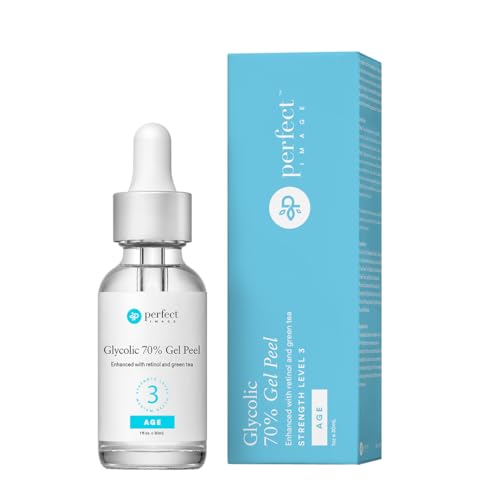
This is the 70% gel alternative for experienced peel users; unlike the serum at the same strength, it uses a gel base and includes green tea, chamomile, cucumber extract, and retinyl palmitate. The maker says it is not intended for first-time users or sensitive skin. That warning matters because its concentration is above the 50% target, so it does not meet the requested strength and should not be chosen as an upgrade by someone still learning how their skin responds. The 1-fluid-ounce bottle is suited to buyers who specifically want a high-strength gel and are comfortable with its audience limits.
Bottom line: Choose this only if you are experienced and specifically want a 70% gel.
How to choose a glycolic peel strength
Choose by experience first: the 50% gel recommends trying a 10% or 30% peel before moving to 50%, and the 70% gel is specifically aimed at experienced users. Glycolic acid is an alpha hydroxy acid (AHA) that loosens the bonds between dead surface cells; higher concentration can mean more irritation, but concentration alone does not predict how a peel behaves. Formula pH and contact time also affect peel intensity, and neither is supplied for these choices. If you are new to peels, pick a lower concentration rather than beginning at 50% or 70%. Do not apply a peel to broken or irritated skin, and keep it away from eyes and mucous membranes.
Serum or gel peel formats
Serum and gel describe the product’s texture, not its strength: the 50% serum and gel have the same concentration, while the 70% options are available in both textures. A serum may feel more fluid during application, while a gel may stay more localized, but texture does not make a high-strength peel automatically safer. The 50% serum comes in 2 fluid ounces, whereas the other options here are 1 fluid ounce. Use the strength, skin tolerance, and product directions to decide before using texture as a tie-breaker. A common mistake is to assume that a gel or a serum can be left on longer because of how it feels; follow the product’s contact-time directions.
Safety and aftercare for acid peels
High-concentration peels can cause significant irritation or chemical burns, so a 50% or 70% formula is not a casual daily exfoliant. Do not combine a peel session with other irritating actives such as retinoids or additional exfoliating acids unless a qualified clinician advises it; the 70% formulas already include retinol or retinyl palmitate. Avoid applying acids to freshly shaved, sunburned, cracked, or otherwise compromised skin. After exfoliation, protect exposed skin from sunlight with broad-spectrum SPF 30 or higher and reapply every two hours outdoors. Stop use and rinse promptly if strong burning occurs; persistent pain, blistering, or swelling warrants medical care. If you have a skin condition or a history of reactions, ask a dermatologist before using a strong peel.
How the strengths compare
For these choices, the measurable decision is concentration: 30% is lower than the requested 50%, and 70% is higher. The 50% product with explicit step-up guidance is the more suitable match for an experienced user who has already tried a lower strength; someone new to peels should not jump straight to either 50% or 70%. This table separates the options by strength and format so you can avoid confusing the serum and gel versions.
| Need | Choice | Reason |
|---|---|---|
| Lower concentration | 30% gel | Below 50% |
| Target concentration | 50% serum or gel | Matches 50% |
| Higher concentration | 70% serum or gel | Above 50%; for experienced users |
Frequently Asked Questions
How often can you use a 50% glycolic peel?
There is no universal safe interval for a 50% peel because formula pH, contact time, and individual tolerance affect irritation. Do not use a strong peel as a daily exfoliant, and follow the product’s exact timing and frequency directions.
Can beginners start with a 50% glycolic peel?
No; the 50% gel advises using a 10% or 30% glycolic peel first. The 70% gel is also intended for experienced users, so a beginner should choose a lower concentration.
Should I use retinol with a glycolic acid peel?
Avoid layering separate retinol products with a peel unless a dermatologist advises it, since both can irritate skin. Some options here already include retinol or retinyl palmitate, so check the formula before adding another active.
What should I do after using a glycolic peel?
Use broad-spectrum SPF 30 or higher on exposed skin after exfoliation, and reapply every two hours outdoors. Avoid another exfoliating acid or retinoid during recovery if the skin is irritated.
Can a glycolic peel go on sensitive or irritated skin?
Do not apply a high-strength peel to irritated, broken, or sunburned skin. The 70% gel is expressly not intended for sensitive skin, and anyone with a history of skin reactions should consult a dermatologist first.