
Best Back Brace for Golfers: 5 Options Compared

Golf Huggy Lower Back Brace suits most golfers because it is designed for swing rotation and follow-through while keeping a low profile under a golf shirt. Choose GAIARENA Golf Support Belt PRO for a belt also aimed at light sports and daily tasks, or consider the general lumbar braces if you need features such as stays or a removable pad.
A golf back brace is a wearable belt intended to support the lower back while moving through a swing; fit matters because the belt should not restrict your rotation or breathing.
We earn a commission if you buy through links on this page. As an Amazon Associate I earn from qualifying purchases. Products are compared on manufacturer specifications, not hands-on testing.
- Best overall: Golf Huggy Lower Back Brace – Its golf-specific design targets rotation and follow-through, and the Large size fits a 38- to 44-inch waist.
- Best for golf and daily use: GAIARENA Golf Support Belt PRO – It is designed for golf, other light sports and everyday activities.
- Best for added lumbar support: Sparthos Adjustable Back Brace – It includes an adjustable lumbar pad and vertical support stays.
| Product | Best for | Golf-focused design | Waist fit | Support features | Shop |
|---|---|---|---|---|---|
| Golf Huggy Lower Back Brace | Golf swing support | Yes | Large: 38–44 in | Dual side tension bands | Check Price on Amazon |
| GAIARENA Golf Support Belt PRO | Golf and daily wear | Yes | Large; range not given | Tightening support for back and hips | Check Price on Amazon |
| Sparthos Adjustable Back Brace | Pad and stays | No | — | Lumbar pad; vertical stays | Check Price on Amazon |
| Copper Fit X-Back Brace | Adjustable compression | No | Large/XL: 34–48 in | Upper and lower compression straps | Check Price on Amazon |
| FREETOO Lower Back Brace | Removable lumbar pad | No | Medium: 33.4–40.5 in | Removable pad; stays and springs | Check Price on Amazon |
Back Braces for Golfers
Compare golf-specific belts with general lumbar braces by intended use, fit and support construction.
Golf Huggy Lower Back Brace
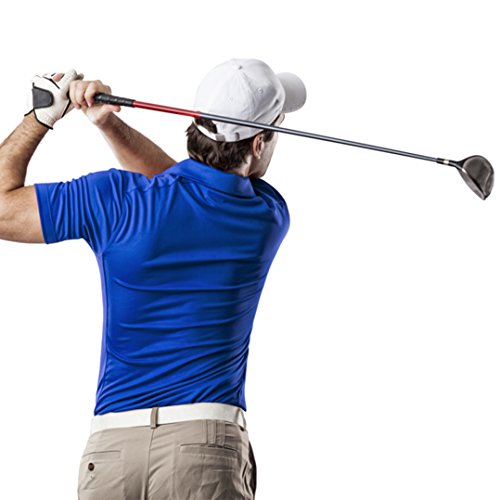
Golf Huggy is the most directly golf-focused option here: its maker says the low-profile brace is designed to stabilize the lower back during rotation and follow-through without restricting movement. The brace fits under a golf shirt and uses dual side tension bands for adjustment. Its Large size corresponds to a 38–44-inch waist measured at the navel; the maker advises sizing up when between sizes or wanting a looser fit. This purpose-specific design suits golfers who want a belt for swing movement. The available waist range makes it a poor match for golfers outside that range.
Bottom line: Choose this if its waist range fits and you want a brace designed around the golf swing.
GAIARENA Golf Support Belt PRO

GAIARENA stands out for naming uses beyond golf: the maker recommends its belt for tennis, brisk walking, other light sports, housework and gardening. The maker says tightening the lower back and hips can help golfers feel waist and hip movement patterns during a swing. That broader intended use may suit someone who wants one support belt for sport and everyday activity. Its support approach centers on tightening rather than a pad or stays.
Bottom line: Choose this if you want a golf-oriented belt for light sports and daily activities too.
Sparthos Adjustable Back Brace
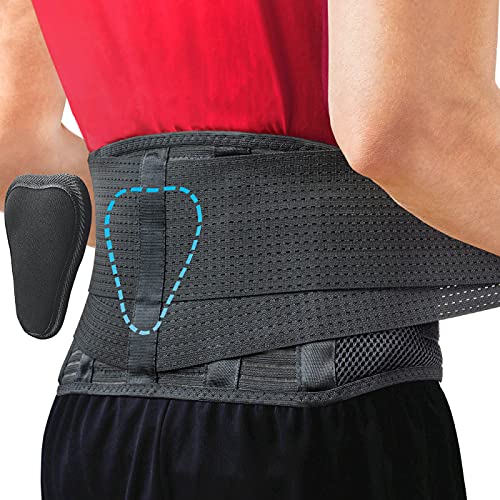
Sparthos differs from the golf-specific belts by emphasizing a lumbar pad and vertical support stays rather than golf swing use. Its maker says the adjustable pad adds compression and the stays help stabilize the back; breathable fabric and an under-clothing fit are also described. Those components may interest golfers seeking a general-purpose brace for activities such as walking or bending, but the product is not identified as golf-specific. The size is Large, without a waist measurement here, so confirm the fit before ordering. This is a less direct match for someone prioritizing unrestricted swing rotation.
Bottom line: Choose this if adjustable padding and stays matter more than golf-specific design.
Copper Fit X-Back Brace
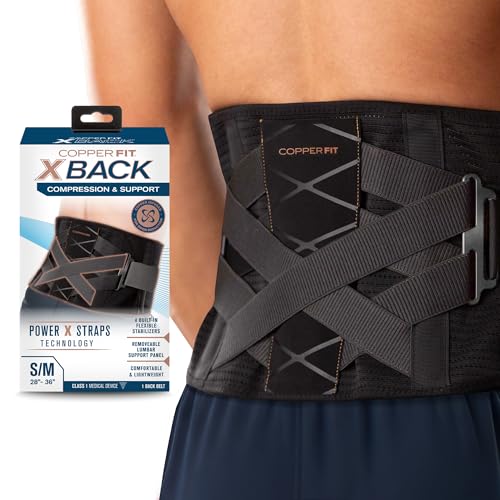
Copper Fit uses an X-shaped strap system, setting it apart from the other options’ named support components. The maker says the upper and lower straps allow customizable compression and that vented materials promote airflow during sports, work or play. Its Large/XL size covers a 34–48-inch waist measured around the belly button, providing a clearly defined range for fit comparison. The product is a general lumbar brace, not one described specifically for golf. It may suit golfers who want adjustable compression, but its broader purpose gives less assurance that its shape is intended for swing movement.
Bottom line: Choose this if the 34–48-inch range fits and adjustable X-straps are your priority.
FREETOO Lower Back Brace

FREETOO has the most specified internal support setup among these general braces: its maker describes a removable lumbar pad, one bionic bone panel, four memory-aluminum stays and two flexible springs. The Medium size fits a 33.4–40.5-inch waist. These features make it a possible choice for golfers who want a more structured brace for general activity, but the product is not presented as golf-specific. A structured support system may be less appealing if your priority is a minimal belt for torso rotation. Compare its waist range with your measurement before choosing.
Bottom line: Choose this if a removable pad and multiple support elements suit your needs.
How to choose a back brace for golf
Choose by fit and freedom to rotate, not by the number of support parts. A golf swing includes trunk rotation, so a brace that shifts, pinches or limits your turn can interfere with the movement you want to make. Measure your waist at the location the maker specifies; the products here use either the navel or belly-button area. For a range, choose a brace only when your measurement falls inside it, and follow the maker’s sizing advice if you fall between sizes. General lumbar braces may add pads, stays or straps, but those features do not establish golf-specific fit. If back pain is persistent or worsening, consult a clinician rather than relying on a brace alone.
Back brace fit and swing movement
A brace should sit snugly enough to stay in place but should not make breathing or a comfortable golf stance difficult. Golf belts in this comparison include size ranges from 33.4 to 48 inches, so measure before selecting a model rather than assuming a clothing size will match. Check your turn in both directions while standing in your normal stance; if the belt rides up or prevents a comfortable rotation, readjust or choose a different style. Waist measurements and sizing rules vary by product, so compare against the specific maker’s measurement location. Avoid tightening a belt until it causes numbness, tingling, skin irritation or restricted breathing; remove it and seek medical advice if symptoms persist.
Golf braces compared with general lumbar braces
Golf-specific braces are intended around swing movement, while general lumbar braces are designed for broader back support uses. That distinction matters more than a label such as “support”: a pad, stays or compression straps describe construction, not proof of suitability for a golf swing. Use this guide to identify which type matches your priority.
| Need | Type to consider | What to check |
|---|---|---|
| Swing-focused fit | Golf-specific belt | Waist range and rotation comfort |
| Support for varied activities | General lumbar brace | Pad, stays or strap arrangement |
| A defined waist range | Any model with a measured range | Your waist at the location |
Neither type replaces attention to swing mechanics or medical care for ongoing pain. Select construction based on comfort and intended use, not assumed treatment benefits.
Using and caring for a golf back brace
Start with the maker’s fit guidance and wear the brace over or under clothing only as its design allows; the Golf Huggy is described as low-profile under a golf shirt. A brace is not a substitute for a warm-up: golfers commonly use several minutes of gentle mobility and practice swings before full swings to prepare for rotation. Check the belt before each round for shifted fasteners, stretched elastic, loose seams or damaged stays, since worn components may alter its fit. Follow the product’s cleaning guidance because elastic, mesh and metal components can need different care. Stop wearing a brace that causes skin irritation, numbness or restricted breathing.
Frequently Asked Questions
Can a back brace restrict a golf swing?
Yes, a brace that is too tight or poorly positioned can make rotation or breathing uncomfortable. Check your stance and turn in both directions before playing, and loosen or remove the brace if it limits motion.
Where should I measure for a golf back brace?
Use the measurement point given for the specific brace, commonly the navel or belly-button area. A 1-inch difference can matter when your waist is near a size boundary, so measure with a flexible tape rather than relying on clothing size.
Should I wear a back brace for every round?
There is no single schedule that suits every golfer; wear time depends on comfort, fit and medical advice. Remove the brace if it causes numbness, skin irritation or restricted breathing, and seek medical guidance for persistent symptoms.
Can a lumbar brace fix golf-related back pain?
A lumbar brace should not be treated as a cure for back pain. Pain that persists, worsens or comes with numbness or weakness warrants evaluation by a healthcare professional rather than relying on a belt.
How do I keep a golf back brace from slipping?
Start with a waist measurement inside the product’s range and secure the brace according to its fit guidance. Test a few comfortable practice swings; if it repeatedly rides up, the size or shape may not suit you.