
Lune+Aster CC Cream: Coverage and SPF Compared

Lune+Aster CC Cream, Golden Light is the closest match for someone seeking Lune+Aster CC cream, with medium coverage and SPF 50 as the deciding features. Choose Erborian CC Cream, Fair or Lumene CC Cream, Medium instead if you want a different brand’s color-correcting formula; Erborian CC Cream, Fair has buildable coverage, while Lumene CC Cream, Medium is described as medium coverage.
A CC cream is a complexion product designed to even the look of skin tone while providing coverage. Makeup with SPF is not a substitute for a separate sunscreen routine.
We earn a commission if you buy through links on this page. As an Amazon Associate I earn from qualifying purchases. Products are compared on manufacturer specifications, not hands-on testing.
- Best overall: Lune+Aster CC Cream, Golden Light – It is the Lune+Aster CC cream and combines medium coverage with SPF 50.
- Best for flexible coverage: Erborian CC Cream, Fair – Its coverage is described as buildable, with nine flexible shades.
- Best for redness: Lumene CC Cream, Medium – Its medium coverage is described as reducing the look of redness.
| Product | Best for | Coverage | Size | Shop |
|---|---|---|---|---|
| Lune+Aster CC Cream, Golden Light | SPF 50 coverage | Medium | 1.7 oz | Check Price on Amazon |
| Erborian CC Cream, Fair | Buildable coverage | Buildable | 0.5 fl oz | Check Price on Amazon |
| Lumene CC Cream, Medium | Redness appearance | Medium, buildable | 1 fl oz | Check Price on Amazon |
| Lune+Aster Hydralift Primer | Hydrating makeup prep | Sheer primer | 1.7 oz | Check Price on Amazon |
Lune+Aster CC Cream and Color-Correcting Alternatives
Compare the formulas by coverage, sun protection, and package size before choosing a complexion product.
Lune+Aster CC Cream, Golden Light

Lune+Aster CC Cream, Golden Light is the only Lune+Aster CC cream among these options, and its combination of medium coverage and SPF 50 sets it apart. The 1.7-ounce Golden Light formula is described as color correcting and dewy, with vitamin E, hyaluronic acid, and sea buckthorn. The brand says it helps even skin tone and cover imperfections while providing UVA/UVB protection. This suits shoppers who want complexion coverage and SPF in one product. Its shade is Golden Light, so shoppers seeking another shade should confirm the shade match before ordering.
Bottom line: Choose this if you want Lune+Aster’s medium-coverage formula with SPF 50.
Erborian CC Cream, Fair

Erborian CC Cream, Fair differs from the Lune+Aster option with a Fair shade and coverage described as buildable rather than medium. The 0.5-fluid-ounce cream features 2% Centella Asiatica and hyaluronic acid; the brand says it evens tone, blurs texture, and provides up to 24 hours of hydration. Nine flexible shades are mentioned, making shade flexibility a distinguishing point. This is a fit for someone seeking a smaller-size CC cream and the Fair shade. Its features do not give an SPF value, so buyers who need sun protection should use a separate sunscreen.
Bottom line: Choose this for the Fair shade and buildable coverage.
Lumene CC Cream, Medium

Lumene CC Cream, Medium is a medium-coverage alternative from Lumene, rather than a Lune+Aster product. The 1-fluid-ounce formula is described as buildable and intended to reduce the look of redness, with a natural radiant finish. It includes Nordic lingonberry and Arctic spring water, and the brand reports results from an independent clinical trial. This option suits shoppers who want a medium shade and a redness-focused color-correcting formula.
Bottom line: Choose this if medium coverage and a redness-focused formula matter most.
Lune+Aster Hydralift Primer
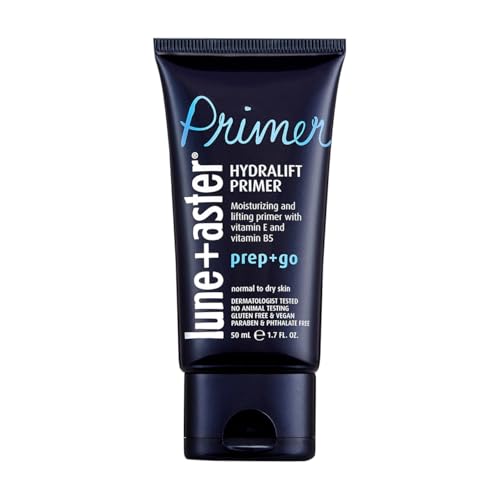
Lune+Aster Hydralift Primer is a makeup primer, not a CC cream, so its role is to prepare skin before complexion makeup rather than provide the CC coverage or SPF. The sheer 1.7-ounce formula includes vitamin E and vitamin B5; the brand says it helps hydrate, plump, firm, and smooth the look of skin and helps extend makeup wear. It is intended for normal to dry skin. This is a related Lune+Aster option for someone looking for a hydrating prep step. It is not the right substitute for a color-correcting cream with SPF.
Bottom line: Choose this for a hydrating primer, not CC cream coverage.
How to choose a CC cream
Choose a CC cream by matching coverage, shade, finish, and sun protection to the job you need it to do. Medium coverage can even the look of tone while still allowing some skin to show; buildable coverage gives you the option to apply more where needed. A dewy finish looks more luminous than a natural finish, so consider how it will pair with the rest of your makeup. Shade names such as Fair, Medium, and Golden Light are not interchangeable across brands. Compare shade descriptions against your complexion and, when possible, check the shade under natural light. If you want SPF, confirm the value on the product itself and plan how it fits with your separate sunscreen routine.
What SPF makeup can and cannot do
SPF makeup can add sun protection, but relying on a thin layer of makeup alone may leave skin under-protected. The American Academy of Dermatology advises using about 1 ounce of sunscreen to cover exposed skin on an adult and reapplying at least every 2 hours outdoors, or after swimming or sweating. Makeup is usually applied in a smaller amount than that sunscreen guidance assumes. For dependable coverage, apply a broad-spectrum sunscreen separately and use makeup for its complexion finish. SPF 50 does not mean you can stay in the sun indefinitely, and no sunscreen blocks all UV rays. Seek shade and wear protective clothing, especially during extended outdoor time.
How CC creams differ from primers
A CC cream is a complexion product, while a primer is designed to sit underneath makeup and prepare the surface for other products. A CC cream may offer coverage, color correction, and sometimes SPF; a primer may focus on hydration or smoothing the appearance of skin without providing complexion coverage. Use a primer when makeup prep is your priority, not as a replacement for a CC cream or sunscreen. The table separates the available choices by their role and distinguishes coverage from sun protection.
| Product role | Choose when | What to check |
|---|---|---|
| CC cream with SPF | You want coverage plus an SPF value | Shade match and separate sunscreen needs |
| CC cream without an SPF value | You want color correction or coverage | Use separate sun protection |
| Primer | You want makeup preparation | Apply complexion coverage separately |
How to layer complexion products
Apply sunscreen as its own step before makeup, allowing it to form an even layer across exposed skin. If using a primer, apply it after sunscreen has settled and before foundation or CC cream; avoid rubbing hard enough to disturb the sunscreen layer. A CC cream can be used in place of foundation when its coverage and finish suit your preference, but SPF makeup should not be counted as a full sunscreen application unless applied in the generous amount sunscreen guidance calls for. Keep sunscreen accessible for reapplication during outdoor time. If layering products causes pilling, use thinner layers and allow each layer to settle before adding the next.
Frequently Asked Questions
Is SPF 50 CC cream enough sunscreen for a full day?
No, SPF 50 makeup should not be treated as all-day protection. Sunscreen guidance calls for reapplication at least every 2 hours outdoors and after swimming or sweating, while makeup is often applied too thinly to match sunscreen application amounts.
Should sunscreen go under CC cream or over it?
Apply sunscreen before CC cream so it can form an even layer on the skin. If adding primer, place it after sunscreen has settled and before the CC cream.
Can CC cream replace foundation for medium coverage?
Yes, a medium-coverage CC cream can serve as complexion coverage instead of foundation when its shade and finish suit your needs. Buildable formulas allow more coverage in selected areas.
What does color correcting mean in a CC cream?
Color correcting refers to a complexion product intended to even the appearance of skin tone. Coverage and finish vary by formula, so compare those features rather than assuming every CC cream performs alike.
How often should sunscreen be reapplied outdoors?
Reapply sunscreen at least every 2 hours while outdoors, and after swimming or sweating. Use about 1 ounce to cover exposed skin on an adult, as advised by the American Academy of Dermatology.