
Gel Pads for Bed Sores: 4 Cushions Compared by Fit

For a gel pad intended for seated use, Gel Seat Cushion, X-Large is the closest match for most people because its 18.9-by-17.7-inch seat and 1.6-inch thickness are specified. The search phrase does not identify a brand or model, so these choices are compared by type and fit.
Choose Gel Wheelchair Cushion, 18 × 16 in instead if you want a 3-inch cushion with a cross-shaped zone design; the foam dressing and egg-shaped foam pad are different products, not gel seat cushions.
We earn a commission if you buy through links on this page. As an Amazon Associate I earn from qualifying purchases. Products are compared on manufacturer specifications, not hands-on testing.
- Best overall: Gel Seat Cushion, X-Large – Its 18.9-by-17.7-inch size and 1.6-inch thickness make the fit easier to assess.
- Best for zoned support: Gel Wheelchair Cushion, 18 × 16 in – Its 18-by-16-inch size, 3-inch thickness and cross-shaped zoning distinguish it from the other seat cushion.
| Product | Best for | Type | Dimensions | Thickness | Shop |
|---|---|---|---|---|---|
| Gel Seat Cushion, X-Large | Larger chair seats | Gel seat cushion | 18.9 × 17.7 in | 1.6 in | Check Price on Amazon |
| Gel Wheelchair Cushion, 18 × 16 in | Zoned seat support | Gel and memory foam seat cushion | 18 × 16 in | 3 in | Check Price on Amazon |
| BALAPET Egg-Shaped Foam Bed Cushion | Bed-based support | Egg-shaped foam support pad | 35.4 × 16.1 in | 3.5 in | Check Price on Amazon |
| Sacral Silicone Foam Dressing, 7 × 7 in | Sacral wound dressing | Silicone foam dressing | 7 × 7 in | — | Check Price on Amazon |
Gel Pads for Bed Sores
Match a seated cushion to the chair dimensions and choose other pressure-relief products only for their intended use.
Gel Seat Cushion, X-Large

Among the two gel seat cushions, this one gives the larger stated footprint: 18.9 by 17.7 inches, with a 1.6-inch thickness. Its maker describes a double-layer honeycomb design with vents intended to encourage airflow, and the cushion includes a black cover. It is designed for wheelchair, office-chair and car-seat use, so compare its width and depth with the usable seat area before choosing it. A seat cushion alone does not replace pressure-injury prevention care; people at risk still need a personalized plan for movement and skin checks.
Bottom line: Pick this if its 18.9-by-17.7-inch footprint fits your seat.
Gel Wheelchair Cushion, 18 × 16 in
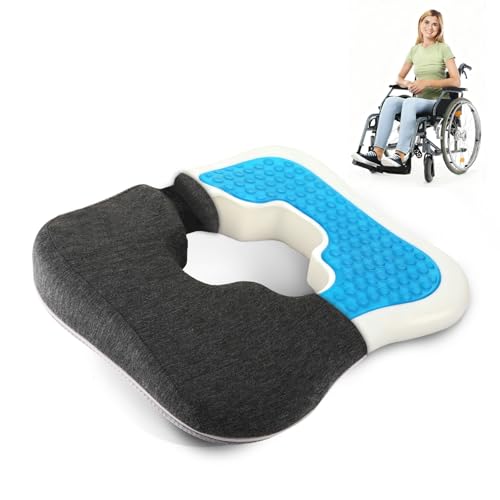
This cushion differs from Gel Seat Cushion, X-Large with a 3-inch thickness and a cross-shaped zoning design on an 18-by-16-inch seat cushion. Its maker says the design uses a 15-degree slope and memory foam to distribute pressure; treat that as a product claim, not a substitute for clinical guidance. The uses include wheelchairs and office chairs, among other seats. The smaller stated footprint may suit a narrower seat, but measure the chair first: a cushion that overhangs, shifts or changes seating position can be a poor fit.
Bottom line: Choose it if you want the thicker, zoned design and its footprint fits.
BALAPET Egg-Shaped Foam Bed Cushion
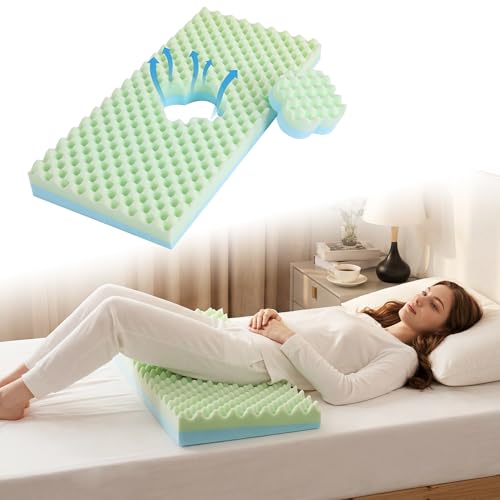
Unlike the seated gel cushions, this is an elongated egg-shaped foam support pad measuring 35.4 by 16.1 by 3.5 inches. Its removable center insert can be left in or taken out, and the maker describes the open-cell foam as breathable. That design makes it a bed-based support option rather than a gel seat pad. The central cutout changes where the body contacts the pad, so do not assume it fits every position or solves pressure concerns; ask a clinician how to position support if a pressure injury is present or suspected.
Bottom line: Consider it for bed-based support, not as a gel seat cushion.
Sacral Silicone Foam Dressing, 7 × 7 in
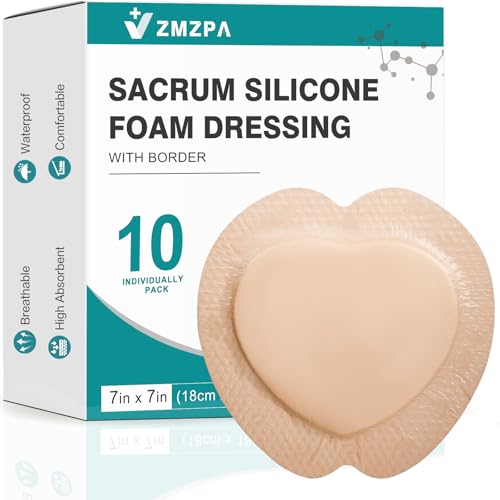
This is a wound dressing, not a cushion: the 7-by-7-inch sacral pad has a silicone border and is sold in a 10-pack. Its maker describes a four-layer construction and claims absorption of up to 15 times its weight in wound fluid, along with gentle adhesion to dry skin. Choose a dressing only for wound care under appropriate clinical guidance, rather than placing it on a chair as a pressure-relief pad.
Bottom line: Choose it only when a sacral wound dressing is the need.
How to choose a seated pressure-relief cushion
Start with the seat, not the product label: measure the chair’s usable width and depth, then compare those measurements with the cushion. A cushion that is wider or deeper than the seat can overhang; one that is too small can leave areas unsupported. Thickness also changes sitting height and may affect foot placement, transfer ability and armrest alignment. For example, Gel Seat Cushion, X-Large is 1.6 inches thick while Gel Wheelchair Cushion, 18 × 16 in is 3 inches thick, so the latter changes the seating height more. If the cushion raises the sitter enough that feet no longer rest securely on the floor or footplates, ask a seating professional to check the setup. No seat cushion should be treated as a complete pressure-injury prevention plan.
Gel cushions, foam pads and wound dressings
Gel seat cushions are made for sitting, foam support pads for positioning or bed use, and wound dressings for covering wounds; these are not interchangeable categories. Gel products may combine gel with a cover or foam, while shaped foam pads use contours or cutouts to alter contact. A dressing has an adhesive border and absorbent layers rather than a seat-sized support surface. The practical rule is to match product type to task: choose a seat cushion for a chair, a support pad only for its intended positioning, and a dressing for wound care directed by a clinician. The table separates their purpose and dimensions at a glance.
| Product type | Example dimensions | Intended context |
|---|---|---|
| Gel seat cushion | 18.9 × 17.7 in or 18 × 16 in | Wheelchair or other seat |
| Shaped foam support pad | 35.4 × 16.1 × 3.5 in | Bed-based support |
| Sacral foam dressing | 7 × 7 in | Sacral wound dressing |
Pressure injury prevention and safe use
Pressure injuries can develop when pressure or shear remains on skin for too long, especially over bony areas such as the sacrum and heels. Repositioning schedules should be individualized; a commonly used starting point for people unable to shift themselves is a position change about every two hours, but clinical condition and support surface can change that plan. Check skin regularly for persistent redness, discoloration, warmth or breakdown, and seek professional advice promptly if a sore is suspected. Keep skin clean and dry, avoid dragging a person during transfers, and use the cushion with appropriate foot and trunk support. A gel cushion may help alter contact, but it cannot guarantee prevention or replace movement and clinical care.
Fit checks before using a cushion
Check cushion width, depth, thickness and cover arrangement before use; dimensions on paper do not guarantee a safe fit on a particular chair. The cushion should sit flat without bunching or sliding, and the seated person’s hips should remain supported without forcing knees or feet into an unstable position. Recheck fit after changing chairs or adding another layer, since stacked cushions can raise the seat and affect transfers. Inspect the cushion and cover for damage or shifting material, and clean them only in a way compatible with their materials. If a person has reduced sensation, fragile skin, an existing wound or difficulty repositioning, involve a clinician or seating specialist rather than relying on a cushion choice alone.
Frequently Asked Questions
How often should someone reposition to prevent bed sores?
For someone unable to shift independently, changing position about every two hours is a commonly used starting point, not a universal schedule. A clinician should individualize timing for mobility, skin condition and support surface.
Can a gel cushion prevent pressure sores by itself?
No cushion can guarantee prevention on its own. Movement, skin checks, moisture management and an individualized care plan also matter, especially for people who cannot reposition independently.
How do I measure a chair for a cushion?
Measure the usable seat width from side to side and depth from front to back, then compare both with the cushion. Also check that its thickness does not leave the sitter’s feet unsupported or make transfers difficult.
What should I do if skin looks persistently red?
Relieve pressure on the area and contact a healthcare professional for guidance, particularly if discoloration persists, skin is broken or the person has reduced sensation. Do not use a cushion or dressing as a substitute for an assessment.
Is a sacral dressing the same as a gel seat pad?
No; a sacral dressing covers a wound and has an adhesive border, while a gel seat pad supports a person while sitting. Use each only for its intended purpose and seek clinical advice for wound care.