
Best Shapewear for Diastasis Recti: 4 Options Compared

For everyday midsection coverage, Postpartum High-Waisted Sculpt Brief is the best starting point because its high-waisted sculpt brief is designed for postpartum wear. Choose a different style if you want adjustable compression or a broader abdominal binder instead.
Shapewear can provide coverage and compression, but it does not treat diastasis recti or bring separated abdominal muscles together permanently. If you are recovering after birth or surgery, ask a healthcare professional what compression is appropriate.
We earn a commission if you buy through links on this page. As an Amazon Associate I earn from qualifying purchases. Products are compared on manufacturer specifications, not hands-on testing.
- Best overall: Postpartum High-Waisted Sculpt Brief – A high-waisted sculpt brief offers midsection coverage for daily outfits.
- Best for cotton fabric: Saybeam Cotton Sculpt Brief – The brief uses a 92% cotton and 8% spandex blend.
- Best for adjustable support: 3-in-1 Postpartum Belly Band – Multiple bands let you adjust the fit and pressure.
- Best for a defined waist fit: NYOrtho 6-Inch Abdominal Binder – The binder is sized for waist circumferences of 30 to 45 inches.
| Product | Best for | Garment type | Fit information | Shop |
|---|---|---|---|---|
| Postpartum High-Waisted Sculpt Brief | Daily midsection coverage | High-waisted brief | X-Large | Check Price on Amazon |
| Saybeam Cotton Sculpt Brief | Cotton-blend underwear | High-waisted underwear | X-Large | Check Price on Amazon |
| 3-in-1 Postpartum Belly Band | Adjustable wrap support | Belly, waist, pelvic wrap | Large | Check Price on Amazon |
| NYOrtho 6-Inch Abdominal Binder | Measured waist range | Two-panel abdominal binder | 30–45-inch waist | Check Price on Amazon |
Shapewear for Diastasis Recti
Compare everyday briefs with adjustable postpartum wraps and abdominal binders by garment style and fit.
Postpartum High-Waisted Sculpt Brief

The high-waisted brief style sets this option apart from the adjustable wraps and binder. Its close-fitting sculpt brief has a wide waistband and cross-layer waistband design, with coverage intended to smooth the midsection under dresses, skirts, jeans, and everyday outfits. The product is offered here in X-Large. The maker positions it for gentle postpartum midsection coverage. This is an underwear-style garment, not a substitute for clinical care or a recovery device; shoppers seeking a wrap with adjustable pressure should choose a different style.
Bottom line: Choose this for high-waisted coverage under everyday clothes.
Saybeam Cotton Sculpt Brief
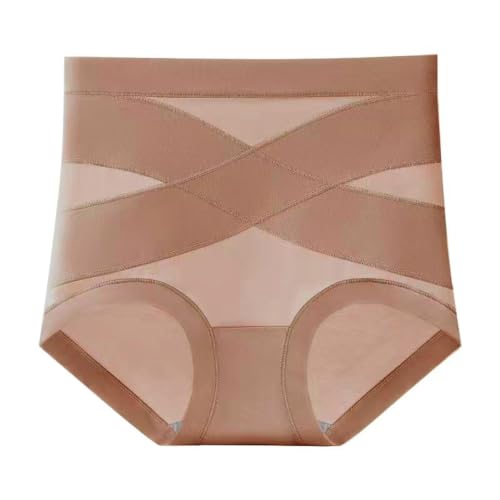
The cotton-rich fabric distinguishes this brief from the other options: it is made from 92% cotton and 8% spandex, with a double-layer cotton crotch. Its high-waisted underwear cut provides hip coverage, and the seamless stretch fabric is intended to avoid edge rolling and snags. The size is X-Large. The maker says the fabric is moisture-wicking and maintains its shape after multiple washes. This remains a brief rather than an adjustable support wrap, so it is not the choice for someone who needs to change compression through the day.
Bottom line: Pick this if a cotton-blend brief is your priority.
3-in-1 Postpartum Belly Band

The multi-band setup makes this a more adjustable option than either brief. The maker says the 3-in-1 system combines belly, waist, and pelvic support, and that its bands let the wearer customize fit and pressure. It is offered in Large and described for postpartum use, including after cesarean delivery or abdominal surgery. Because it is a wrap rather than underwear, it may suit someone who wants adjustable coverage over the abdomen; it will not function like a seamless brief beneath close-fitting clothing. Ask a clinician before using compression during recovery.
Bottom line: Choose this when adjustable wrap-style coverage matters more than an underwear cut.
NYOrtho 6-Inch Abdominal Binder

The defined waist range makes this two-panel binder distinct from the other garments: this size fits a 30- to 45-inch circumference where the binder will be worn. It is 6 inches high and made from latex-free elastic. The product is intended for men and women and also described for postpartum and post-surgery use. Measure at the binder’s planned position and select the option that includes that circumference; this size is unsuitable outside its range. A binder is a broader support belt, not a discreet shaping brief.
Bottom line: Pick this if your measured waist falls within 30 to 45 inches and you want a 6-inch binder.
How to choose shapewear for diastasis recti
Choose by garment style first: briefs give underwear-like coverage, while wraps and binders fasten around the abdomen. Compression clothing may make the midsection feel supported, but it does not repair abdominal separation or replace assessment and exercise guidance from a qualified clinician. A garment should feel secure without restricting breathing, causing pain, or pressing uncomfortably; loosen or remove it if those problems occur. For routine outfit smoothing, start with a brief. If you need adjustable pressure or coverage over a wider area, compare wrap or binder construction instead. Postpartum or post-surgical use deserves extra care: get medical guidance before applying compression, particularly around an incision.
How to size an abdominal binder
Measure your circumference at the place you plan to wear the binder, then match that measurement to its range. For the NYOrtho option here, the relevant range is 30 to 45 inches; a measurement outside that interval calls for a different size. A tape measure should lie level and snug without pulling tight. Brief sizing is not interchangeable with binder sizing, so an X-Large brief should not be assumed to fit the same waist circumference as a binder. Avoid sizing down to increase compression: a garment that limits a full breath or causes pain is too tight. Confirm the fit and any post-surgical use with a clinician.
Briefs, wraps, and binders compared
Briefs prioritize an underwear cut, while wraps use adjustable bands and binders cover the abdomen with a belt-like panel. The right type depends on whether the priority is a smooth layer beneath clothes or more adjustable coverage. This comparison summarizes the practical distinction:
| Type | Typical use | Fit consideration |
|---|---|---|
| High-waisted brief | Everyday midsection coverage | Choose a comfortable underwear fit |
| Adjustable wrap | Variable wrap coverage | Adjust without restricting breathing |
| Abdominal binder | Broad belt-like coverage | Match measured circumference to range |
These garments are not interchangeable with medical treatment. A wrap or binder’s added compression does not mean it is more effective for closing a muscle gap.
Safe use during postpartum recovery
Postpartum compression should be comfortable and should not interfere with breathing, movement, or incision care. A tighter fit is not a better fit: remove or loosen a garment if it causes pain, numbness, skin irritation, or breathing difficulty. After a cesarean birth or abdominal surgery, ask the treating clinician whether a binder is suitable and when to wear it, since incision location and recovery needs differ. Shapewear also should not be worn as a substitute for individualized guidance on diastasis recti. If abdominal symptoms are concerning or worsening, seek professional advice rather than increasing compression.
Frequently Asked Questions
Can shapewear fix diastasis recti?
No, shapewear does not permanently bring separated abdominal muscles together. Compression may provide a feeling of support, but it is not a treatment for the condition.
How tight should postpartum shapewear feel?
It should feel secure without limiting a full breath or causing pain. Loosen or remove the garment if it causes discomfort, numbness, or skin irritation.
Can I wear a binder after a C-section?
Ask your treating clinician before using a binder after a cesarean birth. Incision care and recovery needs differ, so the appropriate timing and pressure are individual.
How do I measure for an abdominal binder?
Measure around your body where you intend to wear the binder, keeping the tape level and snug rather than tight. Match that number to the garment’s waist range; the 30- to 45-inch option here is only for measurements within that interval.
Are briefs or wraps better for daily wear?
Briefs use an underwear cut for coverage beneath clothes, while wraps provide adjustable band-style coverage. Choose based on which construction feels comfortable and suits the clothes you plan to wear.