
Best Broom for LVP Flooring: 4 Options Compared

For most LVP floors, Gloffer 12-Inch Soft-Bristle Broom is the best fit because its soft, flexible bristles are designed for indoor hard floors. Choose a wide dust mop instead if your priority is collecting pet hair and dust across a large area in fewer passes.
LVP, or luxury vinyl plank, is a resilient floor with a printed surface layer; a soft broom or dry dust mop helps lift everyday grit without the stiff bristles of an outdoor push broom.
We earn a commission if you buy through links on this page. As an Amazon Associate I earn from qualifying purchases. Products are compared on manufacturer specifications, not hands-on testing.
- Best overall: Gloffer 12-Inch Soft-Bristle Broom – Soft, flexible bristles and an angled 12-inch head suit routine indoor sweeping.
- Best for pet hair: 24-Inch Dust Mop with Two Pads – The 24-inch dust mop is described as collecting pet hair, dust, and crumbs.
- Best for stand-up storage: TreeLen Broom and Dustpan Set – The broom and dustpan snap together for upright storage.
- Best for large areas: 24-Inch Commercial Dust Mop – Its 24-inch head covers a wider path and comes with three washable pads.
| Product | Best for | Head width | Handle length | Cleaning head | Shop |
|---|---|---|---|---|---|
| Gloffer 12-Inch Soft-Bristle Broom | Everyday sweeping | 12 in | 55 in | Soft bristles | Check Price on Amazon |
| 24-Inch Dust Mop with Two Pads | Pet hair pickup | 24 in | 60 in | Cotton pads | Check Price on Amazon |
| TreeLen Broom and Dustpan Set | Stand-up storage | 10 in | 52 in broom; 38.5 in pan | Broom bristles | Check Price on Amazon |
| 24-Inch Commercial Dust Mop | Large floor areas | 24 in | 57.5 in | Cotton pads | Check Price on Amazon |
Brooms and Dust Mops for LVP Flooring
Compare bristle style, head width, and the type of dry-cleaning tool that fits your routine.
Gloffer 12-Inch Soft-Bristle Broom
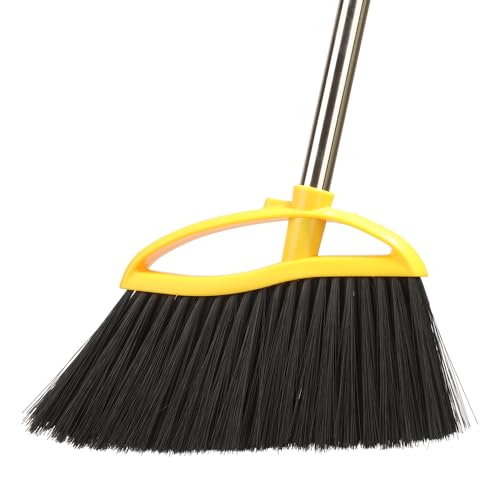
Soft, flexible bristles distinguish this indoor broom from the wider dust mops and stiff outdoor push broom in this group. Its 12-inch angled head is designed to reach corners, baseboards, and around furniture, while the three interlocking stainless steel handle sections make up a 55-inch handle. The maker says the bristles collect fine dust, dirt, hair, and crumbs on hardwood, laminate, and tile.
This is a practical match for regular LVP sweeping in furnished rooms. Its narrower head covers less floor per pass than a 24-inch dust mop, so large open areas may take longer to sweep.
Bottom line: Choose it for a soft-bristle broom that can reach around indoor furniture.
24-Inch Dust Mop with Two Pads

A 24-inch dust mop head gives this option a broader sweep than the 12-inch broom, and the product is expressly described for LVP as well as hardwood, tile, and laminate. It includes two washable cotton pads and a 60-inch metal handle with a 360-degree swivel head. The maker says it picks up pet hair, dust bunnies, and crumbs before wet mopping.
Choose this when dry dust and hair across a larger floor are the main concern. It is a dust mop rather than a bristle broom, so buyers who want to whisk debris into a dustpan with broom strokes may prefer a conventional broom.
Bottom line: Choose it when wide dry passes and pet-hair pickup matter most.
TreeLen Broom and Dustpan Set

The stand-up broom-and-dustpan combination is the main distinction here; the set snaps together for storage rather than focusing on a wide floor head. Its broom measures 52 inches overall and 10 inches wide, while the dustpan handle is 38.5 inches. The pan includes a scraper and comb teeth for removing hair from the broom, and it locks open for emptying.
This set suits smaller rooms or quick pickups where collecting debris into a pan is useful. The product does not specify a soft-bristle type, so shoppers prioritizing gentle, flexible bristles for LVP should favor a broom that does.
Bottom line: Choose it for a compact broom-and-pan setup that stores upright.
24-Inch Commercial Dust Mop

Three washable cotton pads set this 24-inch dust mop apart from the other wide mop option, which comes with two. Its 57.5-inch handle and broad head are intended to cover more path per pass, and the product names vinyl among its floor types. The maker says the pads are reusable and machine-washable.
This option makes sense for large rooms or frequent dry cleaning where spare pads are useful. It is a dust mop rather than a broom, and a 24-inch head can be less nimble around crowded furniture than a narrower angled broom.
Bottom line: Choose it for broad vinyl-floor coverage and three reusable pads.
How to choose a broom for LVP flooring
For routine LVP care, choose soft bristles or a dry microfiber-style dust mop rather than stiff outdoor bristles. Grit tracked onto a hard floor can act like an abrasive when pushed around, so sweeping regularly matters more than choosing the widest head. A 12-inch broom is easier to steer around chairs and corners; a 24-inch dust mop covers twice the head width per pass and suits open areas. Pick the narrower head if most of your floor is furnished or broken into small rooms, and the wider one if you have broad, uncluttered floor space. Check the flooring maker’s care guidance before adding any wet-cleaning step, since approved cleaners and methods can vary by product.
Soft brooms and dust mops compared
A broom gathers debris with bristles, while a dust mop traps dust and hair on a pad. For LVP, the useful choice depends on the debris and layout: a broom can reach edges and corners, while a broad mop can make long passes across open floor. The table compares the practical tradeoffs.
| Need | Tool type | Useful condition |
|---|---|---|
| Edges and furniture legs | Angled soft-bristle broom | Many corners or tight spaces |
| Fine dust and hair over open floor | Wide dry dust mop | Large, unobstructed areas |
| Debris collected into a pan | Broom-and-dustpan set | Small, quick cleanups |
Neither tool replaces prompt cleanup of spills; dry sweeping and damp cleaning are different tasks.
How often to sweep vinyl plank floors
Sweep or dust mop LVP whenever visible grit, crumbs, or hair accumulate, with daily passes in busy entryways and less frequent cleaning in low-traffic rooms. Sand and small stones are harder particles than household dust, so place mats at exterior entries and remove debris before it gets dragged across the floor. A useful rule is to sweep an entryway at least once a day when it sees regular foot traffic, then adjust based on tracked-in grit. Use clean pads or bristles: trapped debris can scratch as the tool moves. For wet cleaning, avoid leaving standing water on seams and use a cleaner approved for the particular flooring; excessive water can reach joints or edges.
Common mistakes when sweeping LVP
Stiff push-broom bristles are meant for heavier outdoor debris and can be unnecessarily harsh for everyday indoor LVP sweeping. Avoid grinding grit into the surface with force; pick up larger debris and sweep in light, controlled strokes. Another common mistake is assuming every vinyl floor accepts the same cleaning solution: surface finishes and warranty instructions differ, so verify the floor maker’s approved method before using a new product. Keep the tool head clean, too, and replace or wash pads when they hold visible dirt. A dust mop is for dry pickup, not a substitute for a spill cleanup; promptly blot liquids and avoid soaking the floor.
Frequently Asked Questions
Can I use a regular broom on LVP flooring?
Yes, a regular broom can work if its bristles are soft and flexible. Sweep lightly so grit is moved off the floor rather than scrubbed across it.
Are stiff bristles safe for luxury vinyl plank?
Soft bristles are the safer everyday choice because hard grit can abrade a floor when dragged. Reserve stiff push brooms for outdoor or heavy-duty debris rather than routine indoor LVP care.
Is a dust mop better than a broom for pet hair?
A dust mop can collect pet hair across a broad area in long passes, while a broom is easier to steer around edges and furniture. Choose a wide mop for open rooms and a narrow broom for cluttered layouts.
How wide should a floor broom be?
A 12-inch head is easier to guide around furniture, while a 24-inch head covers more area per pass. Choose the wider head when the floor is mostly open and the narrower one when corners dominate.
Can I wet mop LVP after sweeping?
Yes, but use the flooring maker’s approved cleaner and avoid leaving standing water on seams. Blot spills promptly, since excess water can reach joints or edges.