
Fuel Gauge Float Replacement: 5 Options Compared

For fuel gauge float replacement, start with the sender and vehicle: VDO 600-601 Steel Sender Float is identified for a steel fuel sender, while ACP FM-EF005B Mercury-Ford Float fits Mercury and Ford applications. A float is the buoyant part that moves the sender arm as fuel level changes.
Choose another option if your sender uses a Type H gauge or a Polaris/Can-Am EFI setup; those have their own fit cues. Before ordering, match the float’s dimensions and center hole to your original float and sender arm.
We earn a commission if you buy through links on this page. As an Amazon Associate I earn from qualifying purchases. Products are compared on manufacturer specifications, not hands-on testing.
- Best overall: VDO 600-601 Steel Sender Float – Specifically identified for a steel fuel sender.
- Best for a two-float set: Kingdder Brass Fuel Floats, 2-Pack – Includes two brass floats, each 1.2 inches in diameter and 2 inches tall.
- Best for Mercury and Ford: ACP FM-EF005B Mercury-Ford Float – Identified for Mercury and Ford.
- Best for Polaris and Can-Am EFI: Polaris / Can-Am Float with Clip – Includes a retainer clip and gives float dimensions plus center-hole size.
| Product | Best for | Compatibility | Dimensions | Material / included parts | Shop |
|---|---|---|---|---|---|
| VDO 600-601 Steel Sender Float | Steel senders | Steel fuel sender | 3.3 × 2.1 × 2.0 in | — | Check Price on Amazon |
| Type H Gauge Float, 2-Pack | Type H gauges | Type H gauge | — | 2 floats | Check Price on Amazon |
| Kingdder Brass Fuel Floats, 2-Pack | Brass float pair | Most fuel delivery units | 1.2 in dia. × 2 in high | Brass; 2 floats | Check Price on Amazon |
| ACP FM-EF005B Mercury-Ford Float | Mercury and Ford | Mercury, Ford | 2 × 2 × 2 in | — | Check Price on Amazon |
| Polaris / Can-Am Float with Clip | EFI ATV and UTV | Select Polaris and Can-Am EFI models | 1.45 in high × 1.26 in dia. | Fuel-resistant plastic; clip | Check Price on Amazon |
Fuel gauge float replacement options
Match the sender type and original float geometry before choosing among these replacement floats.
VDO 600-601 Steel Sender Float
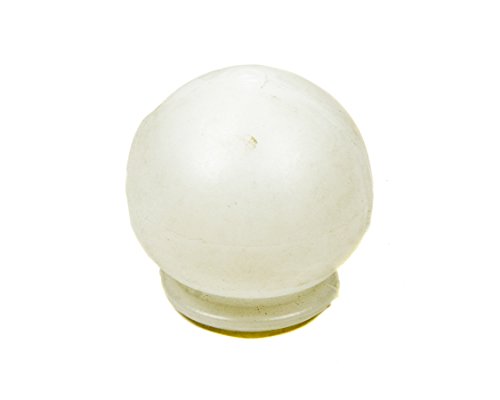
For a steel fuel sender, this VDO replacement is the most clearly matched option in this group. The float measures 3.3 inches long, 2.1 inches high, and 2 inches wide. Those dimensions make it important to compare the original float’s envelope and how it attaches to the sender arm before buying; sender compatibility alone does not establish that every steel sender uses the same float shape.
The product is identified as made in Germany. Choose it when your sender is steel and the dimensions match; it is not identified for a specific vehicle or gauge family.
Bottom line: Pick this when your steel sender and original float dimensions align.
Type H Gauge Float, 2-Pack

For a Type H gauge, this two-piece aftermarket set is the only option here explicitly tied to that gauge type. The product says the floats resist alcohol and gasoline and will not sink, and describes them as direct-fit replacements.
This set suits a Type H sender needing a spare float as well as a replacement. The missing measurements matter if the original float is unavailable for comparison or if the sender’s fit is uncertain.
Bottom line: Choose this for a Type H gauge when its float shape matches your sender.
Kingdder Brass Fuel Floats, 2-Pack

Two brass floats and precise dimensions distinguish this set: each measures 1.2 inches in diameter and 2 inches high. The manufacturer says the standard size fits the float arm of most fuel delivery units and can be installed without modification. “Most” is not a guarantee for a particular sender, so compare the arm attachment and float clearance with the original.
It suits buyers who can verify the dimensions and arm fit rather than relying on a vehicle-specific match.
Bottom line: Pick this pair when a 1.2-by-2-inch brass float matches your sender.
ACP FM-EF005B Mercury-Ford Float

Vehicle application is the key differentiator: this ACP float is identified for Mercury and Ford. It installs on the fuel-sender float arm, which moves up and down as the tank level changes. The product says replacing a failed or aging float can restore original gauge function.
Its dimensions are 2 inches high, long, and wide. Check those measurements and the sender-arm connection against the old part, particularly if the vehicle has a sender that was changed from its original configuration. This is a targeted application rather than a general-purpose float.
Bottom line: Choose this for a matching Mercury or Ford application and sender arm.
Polaris / Can-Am Float with Clip

This float is aimed at electronic fuel-injection utility vehicles from Polaris and Can-Am, and includes a metal retainer clip to secure it to the sender rod. The float dimensions are 1.45 inches high by 1.26 inches in diameter, with a 1/8-inch center hole described as 0.100 inch. Match the actual rod and hole before ordering, since those measurements are central to retention.
The fuel-resistant plastic is intended to resist degradation, according to the maker. Compatibility is described broadly across select EFI ATV and UTV models, so confirm the exact sender arrangement rather than assuming every model in either brand fits.
Bottom line: Pick this for a compatible Polaris or Can-Am EFI sender that matches the clip and hole.
How to choose a fuel gauge float replacement
Match sender family, attachment, and float geometry in that order. A float’s buoyancy moves the sender arm, and that arm changes the resistance or signal read by the gauge; a float that fits the tank but not the sender rod will not do the job. Compare the original float’s height, width or diameter, and the attachment point, including any hole or retainer clip.
Use measurable dimensions as a filter: if the replacement’s diameter exceeds the available clearance around the sender arm, it cannot move freely through its full travel. Check the sender’s arc and tank opening as well as the float itself. Vehicle year or sender type can narrow choices, but modifications and replacement senders can change the fit.
Float dimensions and sender fit
Float size is not standardized across all fuel senders, so a close visual match is not enough. Measure the old float’s length, height, and width or diameter, then note how it attaches to the arm. For a clip-style design, the center hole and rod diameter must correspond; even a modest mismatch can leave the float loose or prevent assembly.
Compare the float’s full travel with the tank interior and sender-arm sweep. A float that touches a tank wall can bind and give an incorrect reading. Before removing parts, note the sender orientation and arm position, and preserve any clip or fastener that the replacement does not include. For vehicle-specific units, verify the sender application rather than treating make and model alone as proof of fit.
Float materials and fuel compatibility
Fuel floats commonly use sealed plastic or metal construction, and the right material depends on the sender design and fuel exposure. A leaking or fuel-logged float can lose buoyancy, but a material label alone does not establish compatibility with every fuel blend. Use a replacement intended for the gauge or sender family and compare its construction with the original.
Fuel-system work has fire and vapor hazards: work outdoors or in a well-ventilated area, keep sparks and flames away, and relieve fuel pressure where applicable before opening the system. A float replacement does not fix faults in wiring, sender resistance, grounding, or the gauge itself. If the gauge still reads incorrectly after a correctly fitted float is installed, diagnose those parts rather than forcing the float arm.
Common fuel float replacement mistakes
The most common mistake is choosing by vehicle description while overlooking the sender that is actually installed. Older vehicles may have replacement senders, and universal-fit wording does not guarantee the float arm, hole, or travel will match. Confirm dimensions and attachment before buying, especially when the original float is missing.
Another error is bending the sender arm to compensate for a float that binds or sits at the wrong height. That changes the gauge calibration and may cause inaccurate readings across the tank. Check that the float moves freely from empty to full without contacting the tank, then verify electrical connections and sender operation if the reading remains off. Keep the tank opening clean so debris does not enter the fuel system.
Frequently Asked Questions
How can I tell whether a fuel float has failed?
A cracked, leaking, or fuel-logged float may lose buoyancy and stop moving the sender correctly. If the gauge behaves erratically or stays at one reading, inspect the float and also check the sender wiring and ground before concluding the float is the cause.
Do fuel gauge floats fit every sending unit?
No; sender arm shape, float dimensions, and attachment vary. Compare the original float’s length and diameter or width, plus the rod or clip connection, before selecting a replacement.
Can I replace only the fuel sender float?
Often, a float is a replaceable component on the sender arm, but the sender design determines whether it can be removed separately. If the arm is damaged or the sender’s electrical element is faulty, a float alone will not correct the gauge reading.
How do I check a float’s size before ordering?
Measure the original float’s height and length or diameter, then measure its opening or attachment point. Also check tank clearance through the full arm swing; a float that rubs the tank can bind even when its dimensions seem close.
Why does my fuel gauge still read wrong after replacement?
A bad ground, damaged sender resistor, wiring fault, or gauge problem can cause an incorrect reading even with a sound float. Verify the float moves freely through its full travel and inspect the electrical circuit before altering the sender arm.