
Wire 30 Amp Generator Plug: Plugs and Cord Compared

For wiring a 30-amp generator plug, MECMO L14-30P Generator Plug is the direct replacement choice because it is an L14-30P male plug with a 3-pole, 4-wire grounding configuration. Choose ENERLITES L14-30P Locking Plug instead if you want its reinforced nylon housing and brass blades; use PlugSaf 50-Foot L14-30 Generator Cord if you need a complete 50-foot cord rather than a connector.
An L14-30 connection carries two hot conductors, a neutral and an equipment ground; use the terminal markings on the specific plug and verify the cord conductors before wiring.
We earn a commission if you buy through links on this page. As an Amazon Associate I earn from qualifying purchases. Products are compared on manufacturer specifications, not hands-on testing.
- Best overall: MECMO L14-30P Generator Plug – A replaceable L14-30P male connector with a 3-pole, 4-wire grounding configuration.
- Best for reinforced housing: ENERLITES L14-30P Locking Plug – Its industrial-grade nylon body, solid brass blades and internal cord clamp distinguish this replacement plug.
- Best for a ready-made cord: PlugSaf 50-Foot L14-30 Generator Cord – A 50-foot 10 AWG cord has an L14-30P plug and matching L14-30R receptacle already fitted.
| Product | Best for | Connection type | Cord or housing | Shop |
|---|---|---|---|---|
| MECMO L14-30P Generator Plug | Cord replacement | L14-30P male | 3.66 × 2 × 2 in. | Check Price on Amazon |
| ENERLITES L14-30P Locking Plug | Rugged plug body | L14-30P male | Nylon housing | Check Price on Amazon |
| PlugSaf 50-Foot L14-30 Generator Cord | Complete extension cord | L14-30P to L14-30R | 50 ft; 10 AWG | Check Price on Amazon |
| CircleCord L14-30 Generator Inlet Box | Hardwired inlet | L14-30 inlet box | Up to 10 AWG | Check Price on Amazon |
30 amp generator plug options
Start by matching the connector and wiring configuration to the cord or inlet you need to connect.
MECMO L14-30P Generator Plug
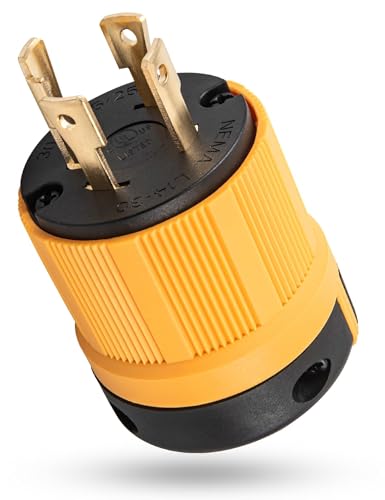
As a replacement male connector, this plug is the direct fit for repairing a cord that needs an L14-30P end. The 3-pole, 4-wire grounding configuration is intended for 30-amp, 125/250-volt generator connections, including a portable generator and home transfer switch. Its twist-lock form helps keep the connection engaged. The product maker says the plug assembles easily, but the available facts do not establish compatibility with a particular cord jacket or conductor size; confirm those match before wiring. This is a connector only, not a complete extension cord.
Bottom line: Choose this if you need an L14-30P male replacement plug for a compatible cord.
ENERLITES L14-30P Locking Plug

The reinforced housing and brass blades set this replacement plug apart for buyers prioritizing a rugged connector body. It is a 3-pole, 4-wire grounding L14-30P for 30-amp, 125/250-volt generator, RV, welder or transfer-switch connections. The product maker says an internal cord clamp secures the wire and a rubber dust seal protects the wiring chamber from moisture. It is a male plug, so it cannot serve as the generator-side female receptacle or as a complete cord. Check the cord’s conductor size and jacket fit against the plug before assembly.
Bottom line: Pick this for its reinforced nylon body and brass blades when repairing a compatible cord.
PlugSaf 50-Foot L14-30 Generator Cord

Unlike the replacement connectors, this is a complete 50-foot extension cord with an L14-30P male end and L14-30R female end. Its 10 AWG conductors and 30-amp, 125/250-volt rating make it relevant when the goal is connecting a portable generator to a compatible transfer-switch inlet without wiring a new plug. The product maker says the cord has a weather-resistant STW jacket and an IP65 rating. It is not a bare connector or a hardwired inlet; choose a replacement plug instead if the existing cord end is damaged.
Bottom line: Choose this when you need a complete 50-foot L14-30 extension cord, not a plug to wire.
CircleCord L14-30 Generator Inlet Box

This option is a generator inlet box rather than a cord-end plug, making it relevant for a fixed connection point at a building. It accepts a 30-amp L14-30 generator cord and is rated 125/250 volts and 7,500 watts, with a maximum wire gauge of 10 AWG. The product maker says the box is ETL certified and includes an LED power indicator and removable rubber plugs at four wiring openings. A fixed inlet involves building wiring, so this is not a substitute for a portable cord plug; installation must suit the applicable electrical requirements.
Bottom line: Pick this when you need a fixed L14-30 generator inlet, rather than a cord plug.
How to wire an L14-30 generator plug safely
An L14-30 plug uses four conductors: two hot legs, one neutral and one equipment grounding conductor. The two hot legs provide 125 volts each to neutral and 250 volts between them; the neutral and ground serve different purposes and must not be swapped or bonded together at the plug. Match each conductor to the terminal markings molded or printed on the connector, not to a guessed screw position. Strip only the length specified by the plug maker, keep bare copper fully inside its terminal, and tighten the cord clamp on the outer jacket. De-energize the generator and cord before work; if the conductor identification or terminal layout is unclear, have a qualified electrician handle the connection.
Choose between a plug, cord and inlet box
The right choice depends on whether you are repairing a cable end, adding reach, or installing a fixed connection point. A plug is a male cord-end connector; an extension cord already has both ends fitted; an inlet box is installed at the building and receives the generator cord. An L14-30P male end pairs with an L14-30R female end, while a hardwired inlet presents the compatible receiving connection. Do not treat an inlet box as a cord connector or a preassembled cord as a bare plug. The table separates the three jobs so you can match the item to the work before buying.
| Need | Choose | What it does |
|---|---|---|
| Replace a damaged cord end | L14-30P plug | Male connector wired to the cord |
| Add distance to a compatible connection | L14-30 extension cord | Preassembled male and female ends |
| Add a fixed building connection point | L14-30 inlet box | Hardwired receiving connection |
Match the connector, cord and electrical rating
Confirm the connector says L14-30 and is rated for 30 amps at 125/250 volts before pairing it with generator equipment. A four-prong L14-30 connection is not interchangeable with a three-prong 120-volt connector, even if the physical size seems close. For a replacement plug, check the cable’s conductor gauge, insulation type and outside jacket diameter against the connector’s permitted range; a cord too large to clamp securely can pull loose. For a complete cord, also confirm length and the receiving end type. Never exceed the lowest current rating among the generator outlet, cord, plug and connected equipment.
Keep generator connections dry and correctly installed
Outdoor generator connections need protection from rain, standing water and damage; a weather-resistant cord rating does not make an exposed plug joint safe to submerge. Keep connections off the ground and use a suitable outdoor enclosure or placement that sheds water. Generator exhaust contains carbon monoxide, so operate the generator outdoors, away from doors, windows and vents; never run it in a garage, even with the door open. A generator connected to home wiring needs a properly installed transfer switch or equivalent approved equipment to prevent dangerous backfeed onto utility lines. Plug wiring alone does not make a home connection safe.
Frequently Asked Questions
What wires go on a 30 amp L14-30 plug?
An L14-30 plug uses two hot conductors, a neutral and an equipment ground. Identify the terminals from the plug’s markings and match each conductor; never join neutral and ground at the plug.
Does an L14-30 plug provide 120 and 240 volts?
Yes, an L14-30 connection provides 125 volts from either hot leg to neutral and 250 volts between the two hot legs. Equipment must be designed for the voltage and circuit it uses.
Can I use 10 AWG wire for a 30 amp generator plug?
10 AWG copper is a common conductor size for 30-amp generator cords, and the inlet option here accepts up to 10 AWG. The plug must also accept the conductor and cord-jacket size, so check its specified range before assembly.
Can I plug a 30 amp generator into a house outlet?
A generator must connect to home wiring through a properly installed transfer switch or equivalent approved equipment, not a regular receptacle. That arrangement prevents backfeed, which can energize utility lines and endanger line workers.
How do I keep a generator plug connection safe outdoors?
Keep the connection dry, elevated off the ground and protected from physical damage; a weather-resistant rating does not mean a plug joint can be submerged. Run the generator outdoors and away from building openings because exhaust contains carbon monoxide.