
Pressure Treated Wood Preservatives: Oil Picks Compared

Wolman Woodlife CopperCoat Green is the clearest pick for pressure treated wood when the priority is preservative protection, because it is designed for pressure-treated lumber and end cuts. Choose an oil-based stain or finish instead if you want a colored exterior surface finish rather than a registered preservative.
We earn a commission if you buy through links on this page. As an Amazon Associate I earn from qualifying purchases. Products are compared on manufacturer specifications, not hands-on testing.
- Best overall: Wolman Woodlife CopperCoat Green – Designed for pressure-treated wood and specifically recommended for end-cut protection.
- Best for large projects: Outlast Q8 Log Oil, Medium Gold – A 5-gallon log oil formulated for exterior wood and applied by pump sprayer.
- Best for coverage planning: Messmer’s CMS-612 Lakeside Brown – Gives separate coverage ranges for smooth and rough wood.
| Product | Best for | Intended use | Color | Package size | Shop |
|---|---|---|---|---|---|
| Wolman Woodlife CopperCoat Green | Pressure-treated end cuts | Exterior wood preservative | Transparent green | 0.25 gallon | Check Price on Amazon |
| Outlast Q8 Log Oil, Medium Gold | Exterior timber projects | Exterior wood oil | Medium gold | 5 gallons | Check Price on Amazon |
| Armstrong-Clark Penetrating Oil Stain | Colored deck finish | Exterior penetrating stain | Rustic brown | 1 gallon | Check Price on Amazon |
| Messmer’s CMS-612 Lakeside Brown | Coverage estimates | Penetrating wood finish | Lakeside brown | 5 gallons | Check Price on Amazon |
Pressure Treated Wood Penetrating Oil Preservatives
Choose first between a wood preservative and a penetrating exterior finish; they serve different jobs.
Wolman Woodlife CopperCoat Green
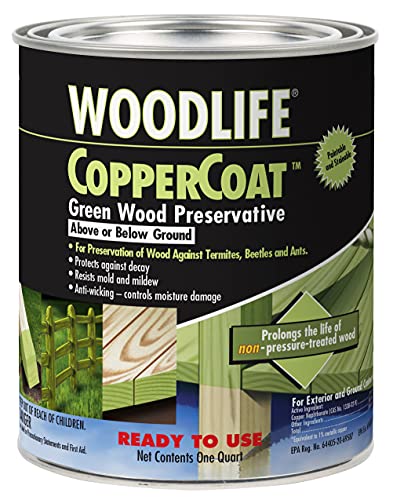
Wolman Woodlife CopperCoat Green is the most directly targeted option here for pressure-treated lumber: it is an exterior preservative recommended for end cuts. The product is EPA-registered and designed for exterior wood above ground, in ground contact, below ground, or in fresh water contact. Its transparent green color suits buyers who do not need a brown stain. Choose it for preservative protection, not as a decorative deck stain; the 1-quart package is less suited to coating a large surface area.
Bottom line: Pick this for pressure-treated cut ends or lumber needing preservative protection.
Outlast Q8 Log Oil, Medium Gold
Outlast Q8 Log Oil, Medium Gold stands apart as a bulk oil treatment for broad exterior timber projects, including decks, log homes, fences, and wood roofs. The maker says it repels water and is applied with a pump sprayer to the point of refusal, where wood is thoroughly saturated. The medium gold color adds a visible tone, unlike a transparent preservative. This is a finish-oriented treatment rather than the clearest match for end-cut preservative use, so choose it when a larger exterior surface and oil application are the priority.
Bottom line: Choose this for large exterior wood areas suited to an oil treatment.
Armstrong-Clark Penetrating Oil Stain
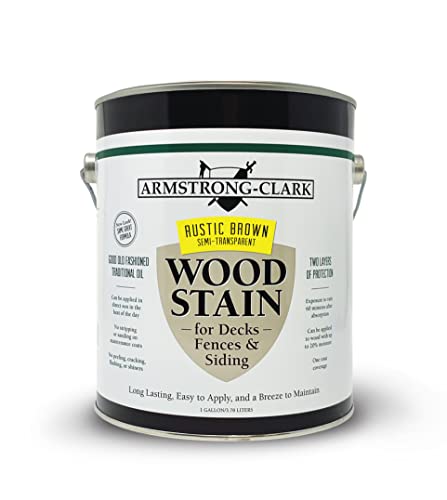
Armstrong-Clark Penetrating Oil Stain is the colored finish choice, with a rustic-brown semi-transparent appearance for decks, fences, siding, logs, and other outdoor wood. The maker says its conditioning oils penetrate wood fibers and its drying oils help resist cracking and peeling; it also describes the finish as UV- and water-resistant. The stain is identified for pressure-treated wood as well as cedar, redwood, and pine. Select it when color and surface finishing matter more than a dedicated preservative product; maintenance coats require cleaning and reapplication.
Bottom line: Pick this when you want a brown penetrating stain on exterior pressure-treated wood.
Messmer’s CMS-612 Lakeside Brown

Messmer’s CMS-612 Lakeside Brown is the option with quantified coverage: smooth wood covers 150–250 square feet per gallon, while rough wood covers 100–175 square feet per gallon. That distinction is useful when estimating material for a project, since texture changes how much finish the surface takes up. It is a lakeside brown, oil-based penetrating finish, not specifically identified as a pressure-treated wood preservative. Choose it for a colored wood finish when coverage planning is central, and verify compatibility with the particular lumber before applying.
Bottom line: Choose this when its brown finish and coverage ranges fit the project.
How to choose an oil for pressure-treated wood
Choose a preservative when the job is protecting exposed cuts or wood in contact with moisture, and choose a penetrating stain when appearance and weathering protection are the goal. Preservatives and stains are not interchangeable: a preservative may protect against decay or insects, while a stain adds color and a surface finish. Pressure-treated lumber is often still damp after treatment; allow it to dry enough for the chosen product to absorb rather than bead on the surface. A practical check is to sprinkle water on the board: if droplets remain on top, wait and reassess before coating. Cut ends expose fresh wood, so prioritize a product expressly intended for end-cut treatment when that is the task.
Penetrating oil versus wood preservative
A penetrating oil soaks into wood instead of forming a thick film, while a preservative is selected for a protection purpose such as resisting decay or wood-destroying insects. Exterior coatings commonly need renewal as sun and rain wear them down; horizontal deck boards generally weather faster than vertical siding because water sits longer and foot traffic abrades the surface. Use a water-repellent finish where wetting is the concern, but do not assume that a stain is insecticidal or suitable for ground contact. The products here span dedicated preservative, oil treatment, and colored finish, so the intended use—not the word “oil”—is the key distinction.
| Need | Choose this product type | Reason |
|---|---|---|
| Protect a fresh cut | Exterior wood preservative | Targeted end-cut protection |
| Color a deck or fence | Penetrating exterior stain | Provides a semi-transparent finish |
| Estimate finish quantity | Finish with coverage data | Surface texture changes spread rate |
When to coat pressure-treated lumber
Pressure-treated wood can hold treatment moisture, and that moisture can interfere with oil absorption. Wait until the surface accepts a small water splash rather than repelling it; board thickness, exposure, and weather affect drying time, so a single calendar wait is unreliable. For a new deck, test a hidden board area before treating the whole surface, especially if the lumber is still green or freshly installed. Keep coatings off soil, plants, and waterways unless the product label permits the intended exposure, and use the label’s protective equipment directions. Do not apply a surface finish over a preservative until the preservative label allows it.
How to estimate penetrating finish coverage
Use the rough-wood coverage rate for saw-textured or deeply grained surfaces because they absorb more material than smooth boards. For example, a 200-square-foot smooth surface at 150–250 square feet per gallon calls for roughly 0.8–1.3 gallons for one coat; the same area at 100–175 square feet per gallon requires roughly 1.1–2 gallons. These calculations are estimates, not guarantees, and application method and wood absorption change actual use. Measure the surfaces to be coated and avoid counting both sides unless both sides will receive finish. Follow the product label for coat count and application limits.
Frequently Asked Questions
Can you apply oil to pressure-treated wood?
Yes, once the surface is dry enough to absorb the oil rather than repel it. A quick water-splash test can help: persistent beading means wait and test again later.
Should pressure-treated wood end cuts be sealed?
Fresh cuts expose untreated wood, so use an end-cut preservative intended for that purpose. Keep the treatment within its label directions for exposure and handling.
How much penetrating finish covers rough wood?
Coverage can be about 100–175 square feet per gallon for rough wood, versus 150–250 square feet for smooth wood for one finish represented here. Texture and absorption change the amount needed.
Is penetrating oil the same as wood preservative?
No, an oil finish primarily penetrates and protects or colors the surface, while a preservative is chosen for protections such as resisting decay or insects. Check the intended uses before applying either to cut ends or ground-contact lumber.
How often should exterior wood oil be reapplied?
Exposure determines the interval: horizontal decks often wear sooner than vertical boards because of standing water and foot traffic. Inspect for fading, dry patches, or water no longer beading, then use the product label’s maintenance schedule.