
OGIO Caliber 2.0 Polo: Styles Compared by Fit

The OGIO Caliber 2.0 short-sleeve polo is the closest match for a classic warm-weather shirt, with lightweight polyester pique and a three-button placket. Choose OGIO Caliber 2.0 Short-Sleeve Polo for short sleeves or OGIO Caliber 2.0 Long-Sleeve Polo for more coverage; shoppers seeking a stretchier jersey or a textured, heathered look should consider the alternate OGIO polos instead.
We earn a commission if you buy through links on this page. As an Amazon Associate I earn from qualifying purchases. Products are compared on manufacturer specifications, not hands-on testing.
- Best overall: OGIO Caliber 2.0 Short-Sleeve Polo – The short-sleeve Caliber 2.0 pairs lightweight polyester pique with a three-button placket.
- Best for long sleeves: OGIO Caliber 2.0 Long-Sleeve Polo – The Caliber 2.0 long-sleeve style keeps the polyester pique fabric and adds sleeve coverage.
- Best for stretch jersey: OGIO Limit Polo – The Limit combines cotton, polyester and spandex jersey with cuffed sleeves.
| Product | Best for | Sleeves | Fabric | Placket | Shop |
|---|---|---|---|---|---|
| OGIO Caliber 2.0 Short-Sleeve Polo | Warm-weather wear | Short sleeve | Polyester pique | 3-button | Check Price on Amazon |
| OGIO Caliber 2.0 Long-Sleeve Polo | Extra arm coverage | Long sleeve | Polyester pique | 3-button | Check Price on Amazon |
| OGIO Limit Polo | Stretch jersey feel | Short sleeve | Cotton/polyester/spandex jersey | 3-button | Check Price on Amazon |
| OGIO Slate Polo | Textured appearance | Short sleeve | Polyester/spandex | Angled 3-button | Check Price on Amazon |
OGIO Caliber 2.0 polo and alternatives
Compare sleeve coverage, fabric and placket details to find the OGIO polo that fits your work or casual wardrobe.
OGIO Caliber 2.0 Short-Sleeve Polo

The short-sleeve version is the direct Caliber 2.0 match for buyers who want a classic polo silhouette. Its lightweight polyester pique has stay-cool wicking technology, while side vents and a tag-free heat-transfer label add comfort details. A flat-knit collar, rib-knit cuffs and reinforced, rounded placket distinguish its finish; the three-button closure keeps the front traditional. The maker says the fabric uses wicking technology. Choose this style for work, golf or summer wear when short sleeves suit the setting. Buyers who need arm coverage should choose the long-sleeve Caliber 2.0 instead.
Bottom line: Pick this for short-sleeve Caliber 2.0 coverage and a traditional placket.
OGIO Caliber 2.0 Long-Sleeve Polo
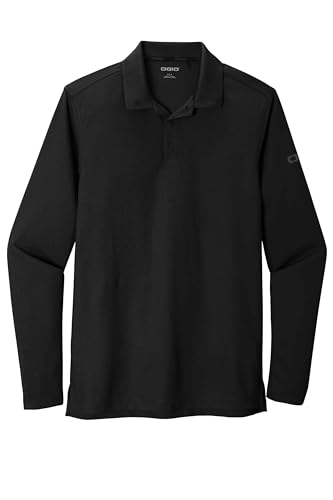
The long-sleeve Caliber 2.0 differs from the short-sleeve version by adding arm coverage while retaining lightweight polyester pique. It has stay-cool wicking technology, a flat-knit collar and a three-button placket with dyed-to-match buttons; the left sleeve carries a heat-transfer O. Set-in open-hem sleeves allow a layered, less cuffed finish. The maker says the fabric uses wicking technology. This is the Caliber 2.0 choice for cooler indoor settings or buyers who prefer long sleeves, but it is less suited to hot-weather wear than the short-sleeve cut.
Bottom line: Choose this when long sleeves matter more than warm-weather coverage.
OGIO Limit Polo

The Limit stands apart from the Caliber 2.0 styles with a cotton, polyester and spandex jersey rather than polyester pique. Its stay-cool wicking technology and stretch-focused construction suit buyers who want a more flexible-feeling polo for work or casual wear. Details include a self-fabric collar with a collar stand, cuffed sleeves, side vents and metal concave buttons at the three-button placket. The maker says the fabric uses wicking technology. The Limit is a related OGIO polo, not a Caliber 2.0; choose it for its jersey blend and stretch emphasis, not for the requested model name.
Bottom line: Pick this if a stretch jersey blend matters more than the Caliber 2.0 name.
OGIO Slate Polo

The Slate offers a textured look that separates it from the smooth-cut Caliber 2.0 comparison: its polyester-and-spandex fabric has subtle slub texture and tonal heathering. It also adds stretch, a self-fabric collar with a collar stand, forward side seams and an angled three-button placket with matte black silicone buttons. The maker says the fabric uses stay-cool wicking technology. Choose the Slate for a heathered finish and stretch fabric in a short-sleeve polo. It is a different OGIO style, so it is not the direct choice if matching the Caliber 2.0 model is essential.
Bottom line: Choose this for a heathered, slub-textured look in a short-sleeve polo.
How to choose an OGIO polo by fabric
Fabric construction is the clearest way to distinguish these OGIO polos: pique has a small raised knit texture, while jersey typically has a smoother face. Polyester pique appears in both Caliber 2.0 styles; the Limit uses cotton, polyester and spandex jersey, and the Slate combines polyester and spandex. For a more flexible fabric, favor a blend that includes spandex, but remember that fiber content alone does not establish how a garment will fit. Polo fabric weights vary widely, and these options do not include a fabric weight for direct comparison. If you need a particular fit through the chest or body, confirm sizing against the maker’s garment chart before ordering.
Short-sleeve versus long-sleeve polos
Sleeve coverage should decide between the two Caliber 2.0 cuts: choose short sleeves for warm conditions and long sleeves when you want more arm coverage. Polo sleeves commonly end around the mid-bicep, while long sleeves reach the wrist; actual length and fit can vary by cut and size. A short-sleeve polo is easier to wear in heat, while long sleeves can work for indoor layering without requiring a separate outer layer. Neither sleeve length guarantees sun protection, so use a garment with a UPF rating or separate sun protection when that matters. The Caliber options share a three-button placket, so sleeve coverage—not closure style—is the key distinction.
How to compare polo collars and plackets
Collar construction and placket shape affect a polo’s look more than its sleeve length does. A traditional placket usually has two or three buttons; three-button fronts offer a familiar adjustable opening. The Caliber 2.0 polos use a flat-knit collar, while the Limit and Slate describe collar stands; the Slate also angles its placket. Match collar and placket details to the dress code: a flat-knit collar reads as a classic polo, while a collar stand gives a more structured outline. Button count does not determine garment fit, and the available styles all use three buttons, so focus on the different collar, fabric and sleeve details instead.
Washing moisture-wicking polo shirts
Cold or warm water and a low-heat dryer setting are common care choices for polyester performance shirts, but check the sewn-in care label before washing because blends and finishes can differ. Avoid fabric softener on moisture-wicking synthetics: residue can coat fibers and reduce their ability to move moisture. Wash polos inside out with similar colors, and remove them promptly to limit wrinkles. Heat can damage synthetic fibers, so avoid high dryer settings and ironing directly over printed or heat-transfer marks. These care practices are useful general guidance, but the garment’s own care label takes priority for its specific fabric blend and finish.
Frequently Asked Questions
What does polyester pique feel like in a polo?
Polyester pique has a small textured knit surface rather than the smoother face of jersey. That knit structure is common in polos and can feel less clingy than a smooth jersey, though fabric weight and cut also affect comfort.
Are long-sleeve polos suitable for summer?
Long-sleeve polos can work in air-conditioned rooms or for extra coverage, but short sleeves are generally the more comfortable choice in hot weather. Sleeve length alone does not indicate sun protection; look for a UPF rating if that is important.
How many buttons should a polo shirt have?
Two- and three-button plackets are both common; three buttons provide a familiar adjustable opening. Button count is mainly a style choice and does not determine the shirt’s fit.
Can fabric softener be used on wicking polos?
It is usually best to skip fabric softener on synthetic moisture-wicking shirts because residue may coat fibers and impair moisture movement. Use the garment care label to settle any fabric-specific washing instructions.