
Outroad Fat Tire Mountain Bike: 3 Models Compared

Outroad 26-Inch Fat Tire Mountain Bike is the Outroad fat tire mountain bike to choose if you want 21 speeds, a front suspension fork and 4-inch tires. Choose Mongoose Argus ST 26-Inch or Mongoose Dolomite 26-Inch instead if you prefer a rigid fork or need a rider-height range to guide fit.
Fat bikes use wide tires to provide a larger contact patch on loose surfaces such as sand, snow and gravel.
We earn a commission if you buy through links on this page. As an Amazon Associate I earn from qualifying purchases. Products are compared on manufacturer specifications, not hands-on testing.
- Best overall: Outroad 26-Inch Fat Tire Mountain Bike – Its 21-speed drivetrain, front suspension fork and 4-inch tires distinguish it from the two 7-speed rigid-fork bikes.
- Best for stated rider fit: Mongoose Argus ST 26-Inch – The Argus ST specifies a 5-foot-7-inch to 6-foot-1-inch rider-height range.
- Best for medium frame size: Mongoose Dolomite 26-Inch – The Dolomite has a 17-inch/medium frame and a rider-height range of 5-foot-4-inch to 6 feet.
| Product | Best for | Speeds | Frame and fork | Shop |
|---|---|---|---|---|
| Outroad 26-Inch Fat Tire Mountain Bike | Gearing and suspension | 21 | High-carbon steel; front suspension | Check Price on Amazon |
| Mongoose Argus ST 26-Inch | Stated height range | 7 | Steel hardtail; rigid fork | Check Price on Amazon |
| Mongoose Dolomite 26-Inch | Medium frame fit | 7 | Steel frame; front and rear mechanical disc | Check Price on Amazon |
Outroad Fat Tire Mountain Bikes Compared
Compare tire width, gearing and frame design to find the fat-tire bike that fits your riding needs.
Outroad 26-Inch Fat Tire Mountain Bike

Outroad 26-Inch Fat Tire Mountain Bike is the only bike here with 21 speeds and a suspension fork, making it the option to consider for riders who want more gear choices and front-end shock absorption. Its 26-inch wheels and 4-inch tires pair with a high-carbon steel frame; the bike weighs 59.52 pounds. The maker says the 21-speed setup is intended to make uphill riding easier, while the fork is designed to absorb shocks. Choose it if those features matter more than a simpler rigid setup.
Bottom line: Choose this if you want 21 speeds and front suspension.
Mongoose Argus ST 26-Inch
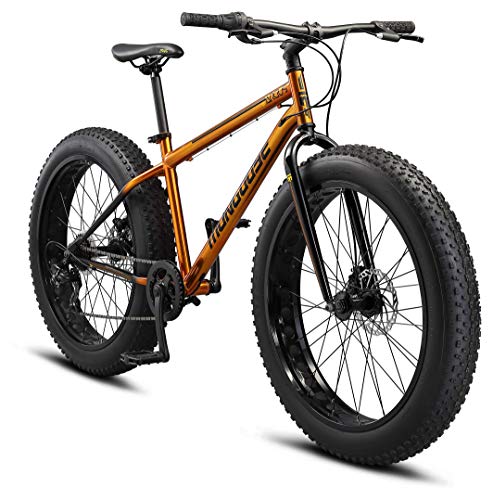
Mongoose Argus ST 26-Inch stands out for its rider-height range of 5 feet 7 inches to 6 feet 1 inch, which gives a useful starting point when checking fit. It has 26-inch wheels, 4-inch knobby tires, a steel hardtail frame and a rigid fork, rather than the suspension fork on Outroad 26-Inch Fat Tire Mountain Bike. The 7-speed drivetrain uses Shimano twist shifters and a rear derailleur. The maker describes the tires as suited to sand, snow, gravel and trails. Its lower gear count may not suit riders who specifically want the broader range of Outroad 26-Inch Fat Tire Mountain Bike.
Bottom line: Choose this if its height range fits you and a rigid fork suits your rides.
Mongoose Dolomite 26-Inch
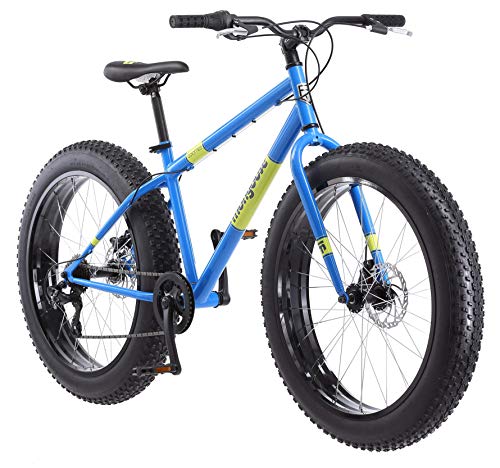
Mongoose Dolomite 26-Inch is the only option here with a specified 17-inch/medium frame and an explicit rider-height range of 5 feet 4 inches to 6 feet. It rolls on 26-inch wheels with 4-inch knobby tires and uses a 1-by-7 drivetrain. The specifications identify front and rear mechanical disc brakes, while Mongoose Argus ST 26-Inch specifically identifies a rigid fork and Shimano twist shifters. This bike arrives 80% assembled, so completing assembly requires tools, including a Phillips screwdriver and adjustable wrench. Its 7 speeds offer fewer gear choices than Outroad 26-Inch Fat Tire Mountain Bike.
Bottom line: Choose this if the medium frame and stated height range suit you.
How to Choose a Fat Tire Mountain Bike
Start with fit, then decide whether more gears or a simpler rigid setup matters more. All three bikes here have 26-inch wheels and 4-inch tires, but only Outroad 26-Inch Fat Tire Mountain Bike has a suspension fork and 21 speeds; Mongoose Argus ST 26-Inch and Mongoose Dolomite 26-Inch use 7-speed drivetrains. Fat-bike tires are much wider than conventional mountain-bike tires, which helps spread contact over loose ground. Tire pressure is also a key adjustment: lower pressure can increase the tire’s footprint on soft ground, while firmer pressure can help reduce rolling drag on hard surfaces. Use the tire or bike maker’s pressure limits rather than guessing, and adjust within those limits for the surface and rider load.
Rider Fit and Frame Size
Use a maker’s height guidance as a starting point, not a substitute for a safe, comfortable fit. Mongoose Argus ST 26-Inch gives a range of 5 feet 7 inches to 6 feet 1 inch, while Mongoose Dolomite 26-Inch gives 5 feet 4 inches to 6 feet and identifies a 17-inch/medium frame. The Outroad fields do not provide a rider-height range, so confirm fit before ordering. On a properly sized bike, the rider should be able to stand over the frame without contact and reach the controls without overextending. A different frame geometry can change fit even when wheel diameters match, so 26-inch wheels alone do not establish that two bikes fit the same rider.
Fat Tire Bike Features Compared
For loose terrain, tire width and pressure matter; for climbing, drivetrain range and rider effort matter. Each bike in this comparison has 4-inch tires, so the practical distinctions are frame setup, gears and stated fit. A suspension fork adds a moving front-end component, while a rigid fork has no suspension travel to adjust or maintain. Seven speeds can cover ordinary riding needs, but 21 speeds provide more gear selections. Use the table to narrow the category, then match the fit and intended terrain before choosing.
| Need | Feature to prioritize |
|---|---|
| Loose sand or snow | Wide tires and appropriate pressure |
| More gear choices | 21-speed drivetrain |
| Height-based starting point | Maker’s rider range |
| Fewer suspension components | Rigid fork |
Fat Tire Bike Setup and Safety
Check tire pressure before riding because a wide tire’s behavior changes noticeably as pressure changes. Keep pressure within the tire maker’s permitted range; too little pressure can increase the risk of tire damage or the tire coming off the rim, while too much can reduce grip on soft ground. Inspect brakes, wheels and quick-release or axle fittings before each ride, especially after assembly or transport. Disc brakes need properly aligned pads and a rotor that is not rubbing; if the bike arrives partly assembled, have a competent bicycle mechanic check the assembly before riding. A helmet and visible clothing are sensible on-road precautions, and fat tires do not replace safe braking distance.
Frequently Asked Questions
Are 4-inch tires suitable for sand and snow?
Four-inch tires are commonly used on fat bikes for loose surfaces such as sand and snow. Lower pressure within the tire maker’s limits can help the tire spread over soft ground, but the correct setting depends on rider load and terrain.
How should I choose tire pressure for a fat bike?
Stay within the pressure limits printed on the tire or specified by its maker. Softer ground generally calls for lower pressure within that range, while hard surfaces can work better at firmer pressure; check for pinch damage or poor handling if pressure is too low.
Does a suspension fork matter on a fat tire bike?
A suspension fork is useful when front-wheel impacts and rough trails are a priority, while a rigid fork has no suspension travel to set up or maintain. Tire volume also provides some cushioning, but it does not replace suspension on rough terrain.
What does a 7-speed drivetrain mean?
A 7-speed drivetrain offers seven selectable rear gears, while the Outroad option here has 21 speeds. More gear choices can help a rider select a comfortable cadence on changing slopes, but the right range depends on terrain and fitness.
How can I tell if a fat bike frame fits?
Start with the maker’s rider-height range and frame size, then check standover clearance and reach to the handlebars. The Mongoose Argus ST gives a 5-foot-7-inch to 6-foot-1-inch range, and the Dolomite gives 5 feet 4 inches to 6 feet.