
Best Mineral Oil for Soapstone: 5 Options Compared

Thirteen Chefs Mineral Oil, 12 oz is the best fit for most people seeking mineral oil for soapstone because its product name specifically identifies soapstone among its intended surfaces, alongside a 12-ounce size. Choose a stone-specific alternative instead if you want a formula made for soapstone but do not require mineral oil.
Mineral oil is a clear, non-drying oil; on soapstone, oiling changes the stone’s appearance rather than creating a hard, permanent coating.
We earn a commission if you buy through links on this page. As an Amazon Associate I earn from qualifying purchases. Products are compared on manufacturer specifications, not hands-on testing.
- Best overall: Thirteen Chefs Mineral Oil, 12 oz – Its name specifies mineral oil and soapstone use, in a 12-ounce bottle.
- Best natural soapstone oil: The Original Soapstone Oil, 4 oz – A food-safe blend of natural oils and waxes is made for soapstone, but contains no mineral oil.
- Best for multiple stone surfaces: Rhino Wax Soapstone Oil, 8 oz – The plant-based, mineral oil-free formula is intended for soapstone, slate, and concrete.
| Product | Best for | Oil type | Size | Intended surfaces | Shop |
|---|---|---|---|---|---|
| Thirteen Chefs Mineral Oil, 12 oz | Soapstone mineral oil | Mineral oil | 12 fl oz | Soapstone, marble, wood | Check Price on Amazon |
| The Original Soapstone Oil, 4 oz | Natural soapstone care | Natural oils and waxes; no mineral oil | 4 fl oz | Soapstone, sinks, natural stone | Check Price on Amazon |
| Rhino Wax Soapstone Oil, 8 oz | Stone surface variety | Plant oils; no mineral oil | 8 fl oz | Soapstone, slate, concrete | Check Price on Amazon |
| Kate Naturals Mineral Oil, 8 oz | Small mineral oil bottle | Mineral oil | 8 fl oz | Wood, bamboo, stainless steel | Check Price on Amazon |
| SMPLY Mineral Oil, 1 Gallon | Large mineral oil supply | Mineral oil | 1 gal | Wood, butcher block | Check Price on Amazon |
Mineral oil for soapstone and stone-specific alternatives
Compare the mineral oil options with stone-specific formulas, then match the treatment to the surface and finish you want.
Thirteen Chefs Mineral Oil, 12 oz

Thirteen Chefs Mineral Oil, 12 oz is the only option here whose product name explicitly pairs mineral oil with soapstone. The 12-ounce bottle contains food-grade mineral oil; the product also describes it as NSF certified, colorless, odorless, and tasteless. Its uses include wood boards and butcher blocks, as well as soapstone and marble. That makes it the clearest match when you want mineral oil for a kitchen stone surface. The formula is also promoted for conditioning wood, so buyers seeking a treatment made exclusively for stone may prefer one of the stone-specific blends instead.
Bottom line: Pick this if mineral oil and soapstone compatibility are your priorities.
The Original Soapstone Oil, 4 oz
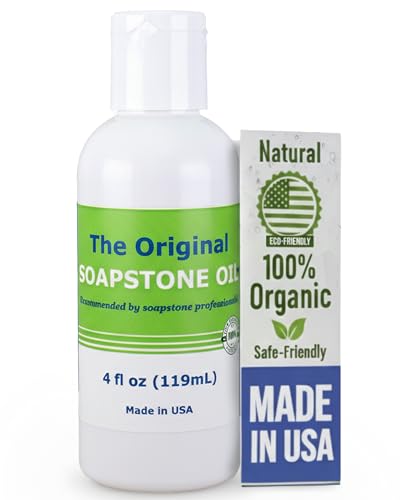
The Original Soapstone Oil, 4 oz is a stone-specific alternative rather than a mineral oil: its food-safe blend includes grape seed oil, safflower oil, and waxes. The 4-ounce bottle is intended for soapstone countertops, sinks, and other natural stone surfaces. The maker says the blend absorbs quickly and deepens the stone’s color while reducing how often it needs oiling. Choose it if you want a natural-oil formula for soapstone and are willing to depart from the mineral oil requirement. Its smaller container may be less convenient for treating a large countertop than a bigger bottle.
Bottom line: Choose this for a natural-oil blend made specifically for soapstone.
Rhino Wax Soapstone Oil, 8 oz
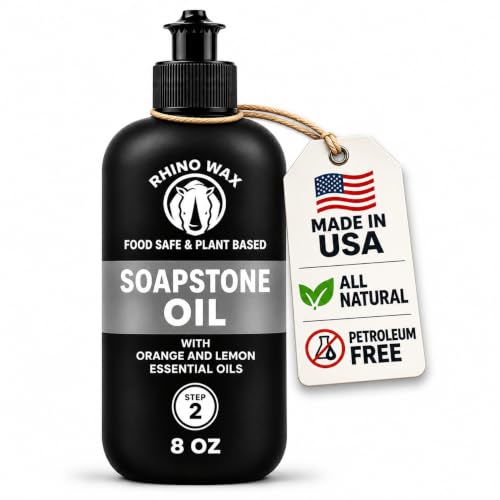
Rhino Wax Soapstone Oil, 8 oz covers more than soapstone: its 8-ounce plant-based formula is also intended for slate and concrete. Ingredients named include fractionated coconut and palm oils, vitamin E, and orange and lemon oils. The maker says the oil hydrates and conditions those surfaces. It is a useful alternative when one product needs to suit several kinds of stone, but it does not meet a mineral oil preference. The citrus oils also distinguish it from the clear, odorless mineral oil in this comparison, so consider that difference for a food-preparation area.
Bottom line: Pick this when you want one non-mineral formula for soapstone and other stone.
Kate Naturals Mineral Oil, 8 oz

Kate Naturals Mineral Oil, 8 oz offers 8 ounces of food-grade mineral oil, with intended uses centered on wood cutting boards, utensils, and stainless steel. The product describes the oil as odorless, tasteless, colorless, and USP grade. It is a smaller mineral oil format than the 12-ounce choice, but its named surfaces do not include soapstone. If considering it for a stone countertop, verify compatibility with the seller or manufacturer before applying it. Buyers who want an option explicitly naming soapstone have a more direct match in this group.
Bottom line: Consider this only if an 8-ounce mineral oil bottle suits your needs and you verify stone compatibility.
SMPLY Mineral Oil, 1 Gallon

SMPLY Mineral Oil, 1 Gallon is the largest container here: one gallon of food-grade mineral oil intended for wood cutting boards, spoons, and butcher-block countertops. The maker describes it as clean and odorless and says it is made in the USA. That quantity is most relevant when you already use mineral oil across many wooden kitchen surfaces. Soapstone is not among the named uses, so do not treat the larger size as evidence of stone compatibility; confirm before using it on a countertop. For a direct soapstone match, the 12-ounce option is more explicit.
Bottom line: Choose this for a large supply for wood surfaces, after confirming soapstone compatibility if needed.
How to choose mineral oil for soapstone
Start with whether the product explicitly names soapstone, then decide how much color change you want. Soapstone is a relatively soft, nonporous stone; mineral oil darkens its surface and can make the veining appear more pronounced, but it does not create a permanent waterproof seal. Apply a small amount to an inconspicuous area first because the change in tone may be noticeable. For surfaces used to prepare food, select an oil identified as food grade and keep it separate from oils intended only for machinery or other non-food uses. The table compares what each option is meant for; it does not make all products interchangeable.
| Need | Choose |
|---|---|
| Mineral oil explicitly naming soapstone | Thirteen Chefs Mineral Oil, 12 oz |
| Natural oil blend for soapstone | The Original Soapstone Oil, 4 oz |
| One stone formula for soapstone, slate, and concrete | Rhino Wax Soapstone Oil, 8 oz |
| Large mineral oil supply for wood | SMPLY Mineral Oil, 1 Gallon |
What oiling changes on a soapstone countertop
Oiling mainly changes soapstone’s appearance: the surface looks darker and its natural pattern can stand out more. Soapstone’s low porosity means oil does not function like a penetrating stone sealer on porous stone. Mineral oil also does not harden into a durable film, so it can wear away with cleaning and use. If you want the stone to develop a lighter, natural patina, you can leave it unoiled; if you prefer a darker look, apply oil sparingly and evenly. A common mistake is expecting oil to prevent every scratch or stain: soapstone can mark, and oiling does not make the surface scratch-proof.
How often to reoil soapstone
Reoil when the darkened appearance fades to the level you no longer want, rather than following a rigid calendar. Mineral oil is non-drying, so a heavy application can leave an oily surface instead of becoming a hard protective coat. Start with a clean, dry counter, spread a thin layer, allow it to sit briefly, and wipe away excess with a clean cloth. Test the method on a hidden area first, especially on a new or repaired surface. Use a separate cloth for oiling and store oily cloths safely away from heat; oil-soaked rags can present a fire hazard depending on the oil and material.
Can wood cutting-board oil be used on soapstone
A mineral oil sold for cutting boards is not automatically confirmed for soapstone; check whether the manufacturer explicitly approves the stone before application. Food-grade status concerns food-contact suitability, not whether a particular surface treatment is appropriate or whether it seals stone. Products naming wood, bamboo, or butcher block should not be assumed to have the same purpose as formulas made for countertops. When the surface is used for food preparation, select a food-contact product and wipe away excess oil so it does not transfer to food. Avoid substituting cooking oils such as olive oil, which can become rancid rather than behaving like a stable mineral oil treatment.
Frequently Asked Questions
Does mineral oil seal soapstone countertops?
No, mineral oil changes the stone’s appearance but does not form a permanent seal. Soapstone is relatively nonporous, and the oil can wear away with cleaning and use.
How much mineral oil should I apply to soapstone?
Use a thin coat rather than saturating the counter, then wipe away excess after it has had a short time to sit. Test a hidden area first because oil darkens soapstone.
Can I leave my soapstone countertop unoiled?
Yes, soapstone can be left unoiled and will develop a lighter natural patina. Oil is an appearance choice, not a required protective seal.
Can I use olive oil on a soapstone counter?
Avoid olive oil for routine stone care because food oils can turn rancid. Use a product intended for soapstone or confirm the oil’s compatibility before applying it.
Is food-grade mineral oil safe for soapstone used for food prep?
Food-grade mineral oil is intended for food-contact use, but that alone does not confirm compatibility with every stone surface. Choose a product that names soapstone or confirm its suitability before treating the counter.