
Polaris MAXX Pool Cleaner: Models Compared by Type

For a Polaris MAXX pool cleaner, Polaris MAXX Suction-Side Cleaner is the named suction-side model, with active scrubbing, HALO debris handling and multi-directional navigation. Choose Polaris Lynx Suction Cleaner or Zodiac MX6 Suction-Side Cleaner if you want another suction cleaner, Polaris Vac-Sweep 280 if your setup is pressure-side, or Polaris R0997900 Tune-Up Kit only if you need MAXX replacement parts rather than a cleaner.
Suction-side cleaners use the pool’s circulation system to carry debris into its filtration system; pressure-side models use a different connection and may require a booster pump.
We earn a commission if you buy through links on this page. As an Amazon Associate I earn from qualifying purchases. Products are compared on manufacturer specifications, not hands-on testing.
- Best overall: Polaris MAXX Suction-Side Cleaner – The only MAXX cleaner here, with active scrubbing, HALO technology and multi-directional navigation.
- Best for 39-foot hose reach: Polaris Lynx Suction Cleaner – The Lynx includes 39 feet of twist-lock hose and uses active scrubbing and HALO technology.
- Best for pressure-side setup: Polaris Vac-Sweep 280 – The Vac-Sweep 280 is a pressure-side cleaner with an included debris bag and 31-foot hose.
| Product | Best for | Cleaner type | Included hose | Product weight | Shop |
|---|---|---|---|---|---|
| Polaris MAXX Suction-Side Cleaner | MAXX buyers | Suction-side | — | 22.5 lb | Check Price on Amazon |
| Polaris Lynx Suction Cleaner | Long hose reach | Suction-side | 39 ft | — | Check Price on Amazon |
| Zodiac MX6 Suction-Side Cleaner | Zodiac alternative | Suction-side | — | 18.2 lb | Check Price on Amazon |
| Polaris Vac-Sweep 280 | Pressure-side setup | Pressure-side | 31 ft | 6.2 lb | Check Price on Amazon |
| Polaris R0997900 Tune-Up Kit | MAXX maintenance | Replacement parts | — | 3 lb | Check Price on Amazon |
Polaris MAXX Pool Cleaner and Alternatives
Compare the MAXX with related cleaners and a genuine replacement kit by type, included hose and intended role.
Polaris MAXX Suction-Side Cleaner
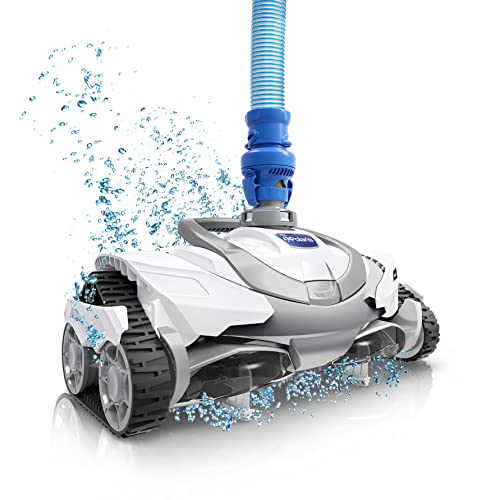
Polaris MAXX Suction-Side Cleaner is the only MAXX cleaner in this group, and it combines active scrubbing brushes with HALO technology for fine silt, sand and longer debris. Polaris says its multi-directional navigation supports movement around in-ground pools and that it is designed for floor-to-waterline cleaning across pool surfaces. This is the direct fit for someone seeking the MAXX rather than a different cleaner type; confirm that your pool has a compatible suction connection before choosing a suction-side unit.
Bottom line: Choose this if you specifically want the MAXX suction-side cleaner.
Polaris Lynx Suction Cleaner

Polaris Lynx Suction Cleaner stands apart from the MAXX with a 15-inch cleaning path and 39 feet of twist-lock hose included. The model uses active scrubbing brushes and HALO technology, while its turbines draw power from the pool filtration pump; debris goes to the filtration system rather than an onboard bag or canister. It is intended for in-ground pools and uses treads for traction and climbing.
Bottom line: Pick this if the included 39-foot hose and suction format fit your pool.
Zodiac MX6 Suction-Side Cleaner

Zodiac MX6 Suction-Side Cleaner is the non-Polaris alternative here, using a cyclonic turbine for downforce and X-Trax for grip. Its hydraulic X-Drive navigation is designed to cover pool floors and walls, and the cleaner connects to a dedicated suction line or the skimmer. The maker says it can work with variable-speed pumps and lower flow rates when properly calibrated. At 18.2 pounds, it weighs less than the MAXX in this group, but it does not include a hose in the product name. Choose it when you want a different-brand suction cleaner and can confirm the hose and pool setup.
Bottom line: Choose this if you want a Zodiac suction cleaner and can verify hose fit.
Polaris Vac-Sweep 280

Polaris Vac-Sweep 280 differs from the MAXX in using pressure-side operation and a separate booster pump, with a single-chamber bag to capture debris rather than sending it directly through a suction cleaner’s filtration route. Its 2.25-inch inlet is intended to take larger debris, and the maker says it can clean an in-ground pool in three hours or less. The hose length is 31 feet. It is the choice for a compatible pressure-side installation, not a drop-in substitute for a suction-side cleaner; verify booster-pump and plumbing compatibility first.
Bottom line: Pick this only if your pool is set up for a pressure-side cleaner.
Polaris R0997900 Tune-Up Kit

Polaris R0997900 Tune-Up Kit is a parts kit, not a pool cleaner. It includes an engine assembly, two drive shaft assemblies, two tracks, gear housing covers and direction control devices, and is specified for Polaris Atlas, Atlas XT and MAXX suction cleaners. Polaris says genuine parts help maintain the cleaner’s limited manufacturer warranty.
Bottom line: Choose this for the specified MAXX wear parts, not for a complete cleaner.
How to Choose a Polaris MAXX Pool Cleaner
Start with the connection your pool already supports: suction-side cleaners connect through a skimmer or dedicated suction line, while the Vac-Sweep 280 is pressure-side and calls for a separate booster pump. Suction cleaners send debris through pool filtration; a bag-equipped pressure cleaner collects debris separately. For a pool with leaves or other large debris, compare inlet and collection design; the 280 has a 2.25-inch inlet and debris bag. For fine silt or sand, the MAXX and Lynx advertise HALO technology. A practical decision rule is to choose suction only when your skimmer or dedicated line can support the cleaner and its hose can reach the farthest cleaning area; otherwise, compare a compatible pressure-side installation instead.
Suction-Side and Pressure-Side Pool Cleaners
Suction-side cleaners use pump suction to move water and debris into the pool filtration system, while pressure-side cleaners use return-side water flow and commonly collect debris in a bag. This difference affects both setup and upkeep: a suction cleaner adds debris to the filter, so a loaded filter can reduce available flow, while a bag cleaner needs its bag emptied. The Vac-Sweep 280 specifically requires a separate booster pump; the MAXX, Lynx and MX6 are suction models. Use this comparison to match the cleaner to your plumbing, not just its advertised coverage.
| Type | Connection and debris route | Choose when |
|---|---|---|
| Suction-side | Skimmer or suction line; debris goes to filtration | Your pool has adequate suction and filter capacity |
| Pressure-side | Pressure plumbing; bag collection | Your setup supports the cleaner and any required booster pump |
Pool Hose Reach and Cleaner Fit
Measure from the cleaner connection to the pool’s farthest point along the route the hose will travel, including the waterline rather than just the pool’s straight-line length. The Lynx includes 39 feet of hose and the Vac-Sweep 280 includes 31 feet, while no included hose length is given for the MAXX or MX6 here. A hose that is too short leaves areas unreachable; excess hose can tangle or coil and interfere with movement. Check that the hose reaches the farthest wall and floor area without tension, then adjust float placement or hose length according to the cleaner’s setup guidance.
Pool Cleaner Care and Suction Safety
Inspect suction cleaner hoses, tracks and brushes regularly for splits, wear or blockages, since restricted flow can affect movement and debris pickup. Check and clean the pool filter when circulation weakens, because suction cleaners send collected debris through the filtration system. For pressure-side cleaners, empty the debris bag before it becomes packed and inspect the hose for leaks. Pool suction also presents an entrapment hazard: never operate a cleaner with damaged or missing drain covers, and keep swimmers away from an exposed suction outlet. Use only pool equipment compatible with the installed plumbing and its safety covers.
Frequently Asked Questions
Does the Polaris MAXX need a booster pump?
The MAXX is a suction-side cleaner, unlike the pressure-side Vac-Sweep 280, which specifies a separate booster pump. Confirm your pool has a suitable skimmer or dedicated suction line and enough flow for the cleaner.
How much hose does a pool cleaner need?
The hose must reach the farthest pool area from its connection point without pulling tight. The Lynx includes 39 feet and the Vac-Sweep 280 includes 31 feet, so measure the actual hose route before selecting.
Where does a suction-side cleaner send debris?
A suction-side cleaner carries debris into the pool filtration system rather than into an onboard debris bag. Check and clean the filter when circulation drops or the filter becomes loaded.
Can the Polaris MAXX clean an in-ground pool wall?
The MAXX is described for floor-to-waterline cleaning on in-ground pool surfaces, and its active brushes scrub debris. Actual wall climbing depends on suitable suction flow and a clear hose path.
When should I replace suction cleaner wear parts?
Replace parts when inspection shows wear, damage or loss of movement rather than on a fixed interval. Tracks, brushes and hoses deserve particular attention; the R0997900 kit is specified for Atlas, Atlas XT and MAXX.