
Best Arm Compression Sleeves for Sports and Support

Copper Compression Full Arm Sleeve is the best arm compression sleeve for most sports because it covers the wrist through the bicep in one piece. Choose YQXCC Cooling UV Arm Sleeves instead when sun coverage matters more than a pressure level, or KEMFORD 15–20 mmHg Arm Sleeves when you need a measured 15–20 mmHg sleeve.
We earn a commission if you buy through links on this page. As an Amazon Associate I earn from qualifying purchases. Products are compared on manufacturer specifications, not hands-on testing.
- Best overall: Copper Compression Full Arm Sleeve – One sleeve covers the wrist, elbow and upper arm for sports.
- Best for sun coverage: YQXCC Cooling UV Arm Sleeves – The product specifies UPF 50 protection and comes in a four-pair set.
- Best for measured pressure: KEMFORD 15–20 mmHg Arm Sleeves – The pair is specified at 15–20 mmHg, with a silicone grip.
| Product | Best for | Coverage | Compression | Package | Shop |
|---|---|---|---|---|---|
| Copper Compression Full Arm Sleeve | Full arm sports | Wrist to bicep | Light; no rating given | 1 sleeve | Check Price on Amazon |
| YQXCC Cooling UV Arm Sleeves | Outdoor sun coverage | Full arm | — | 4 pairs | Check Price on Amazon |
| KEMFORD 15–20 mmHg Arm Sleeves | Measured compression | Arm sleeve | 15–20 mmHg | 1 pair | Check Price on Amazon |
Arm Compression Sleeves Compared
Choose by how much of the arm you need covered and whether a specific pressure rating matters.
Copper Compression Full Arm Sleeve

Copper Compression Full Arm Sleeve is the only option here that explicitly covers the wrist, forearm, elbow and upper arm in one sleeve. Its fabric is 85% copper-infused nylon, and it fits either arm. The maker says the fiber helps manage odor; that is a material claim, not a substitute for washing the sleeve after sweaty use. Choose the size using your upper-arm circumference about 5 inches above the elbow, rather than relying on your usual clothing size. This is a sports-style sleeve, not the measured-pressure choice for someone who needs a specific mmHg level.
Bottom line: Pick this for continuous wrist-to-bicep coverage during sports.
YQXCC Cooling UV Arm Sleeves

YQXCC Cooling UV Arm Sleeves stands apart for outdoor coverage: the product specifies UPF 50 and includes four pairs in black, white, gray and blue. Its lightweight, four-way-stretch fabric is designed for airflow and sweat-wicking, so it suits activities such as cycling, gardening and golf as well as sports. The maker says the fabric helps keep arms cool and dry, but sun protection does not mean exposed skin is fully protected; use sunscreen on uncovered areas and reapply as directed. Choose this when color options and sun coverage matter more than a quantified compression level.
Bottom line: Choose this for outdoor wear and broad color choice.
KEMFORD 15–20 mmHg Arm Sleeves
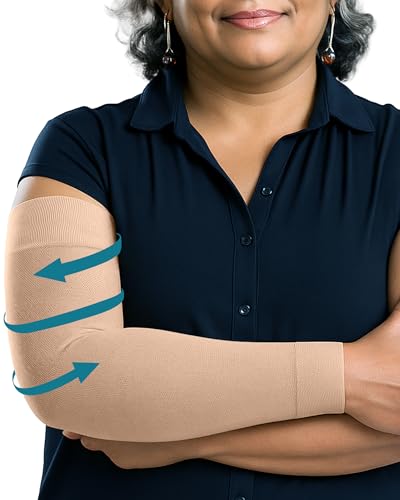
KEMFORD 15–20 mmHg Arm Sleeves is the only option with a numeric pressure range: 15–20 mmHg, the product’s Class 1 rating. It comes as a beige pair with a silicone grip and is intended for arm swelling and edema. Fit is especially important with medical compression: measure the upper arm with a soft tape and use the maker’s chart, not clothing size. The maker advises sizing up if between sizes or experiencing swelling. This pair is a poor match if you want a lightweight sports sleeve without a medical-style snug fit; consult a clinician about whether compression is appropriate for you.
Bottom line: Pick this when you need the 15–20 mmHg pressure range.
How to Choose an Arm Compression Sleeve
Start with the sleeve’s purpose: sports coverage, sun protection or a specified compression pressure are different needs. A full arm sleeve reaches from wrist to upper arm, while elbow-only sleeves leave much of the arm uncovered. Medical compression is measured in millimeters of mercury (mmHg); a numeric pressure rating is more useful than a general claim of snugness when a clinician has recommended a particular range. For outdoor use, UPF 50 fabric blocks about 98% of UVB radiation under standardized testing, but it cannot protect skin outside the garment. If you need full arm sports coverage, choose a sleeve that explicitly spans wrist to bicep; if your priority is a pressure level, select only a product with a mmHg rating.
How to Measure for an Arm Sleeve
Measure the circumference at the location specified by the maker, because arm sleeves do not all use the same sizing point. For a medical-compression sleeve, a soft tape should lie flat without digging into the skin, and swelling can change measurements during the day. The product here calls for an upper-arm measurement, while another specifies measuring about 5 inches above the elbow. Use the relevant chart rather than translating a shirt size into a sleeve size. A sleeve that bunches, rolls or causes numbness, tingling, color change or increased discomfort should be removed; seek clinical guidance before continuing, especially if the sleeve is being used for swelling or circulation concerns.
Sports Sleeves and Medical Compression
Sports sleeves generally prioritize coverage, stretch and moisture handling; medical-compression sleeves specify pressure in mmHg and require more careful sizing. Compression garments apply pressure to the limb, but an ungraded sports sleeve is not interchangeable with a prescribed or clinician-selected compression garment. UPF fabric adds a different function: it helps limit UV exposure where the fabric covers the skin, not pressure management. Compare purpose before comparing material or package count. The table separates the choices by use so a buyer does not mistake sun protection or full arm coverage for a measured medical pressure level.
| Need | What to prioritize |
|---|---|
| Sports coverage | Length that matches the arm area to cover |
| Sun exposure | UPF rating and coverage of exposed skin |
| Medical-style compression | Numeric mmHg range and accurate measurements |
Safe Wear and Common Fit Mistakes
A compression sleeve should feel snug, not painful or restrictive. Remove it if your hand or arm becomes numb, tingles, changes color or feels increasingly uncomfortable; those symptoms can signal that fit or pressure is not right. Do not assume that a tighter sleeve provides better support, and do not use an unrated sports sleeve as a substitute when a specific compression level was recommended. For medical compression, confirm the pressure and fit with a healthcare professional, particularly if swelling changes or you have circulation concerns. For outdoor wear, cover all exposed areas and use sunscreen where fabric does not provide coverage.
Frequently Asked Questions
What does 15–20 mmHg mean for an arm sleeve?
It is a pressure range, measured in millimeters of mercury, that indicates the sleeve’s compression strength. It does not by itself establish that the sleeve is right for a particular person; fit and clinical need matter.
How tight should an arm compression sleeve feel?
A sleeve should feel snug without pain, numbness or tingling. Remove it if your arm or hand changes color or becomes uncomfortable, and get clinical advice before wearing it again.
Can a UPF 50 sleeve replace sunscreen?
No, a UPF sleeve only covers the skin beneath its fabric. Apply sunscreen to exposed skin and reapply it as directed on the product you use.
Can I wear a sports sleeve for arm swelling?
A sports sleeve without a numeric pressure rating is not a substitute for medical compression with a specified mmHg range. Ask a clinician which pressure and fit are appropriate if you are managing swelling.