
Best Anti-Glare Film for Outdoor TV: 3 Fits Compared

For shaded outdoor viewing, DZQWBB 43-Inch Matte Film is the clearest match because it is sized for a 43-inch screen and specifically recommends avoiding direct sunlight. Choose Ropoloogy 65-Inch Matte Film or TYRHMY 75-Inch Matte Film instead for a 65-inch or 75-inch screen; matte film can reduce reflections, but it does not make a TV suitable for outdoor exposure.
We earn a commission if you buy through links on this page. As an Amazon Associate I earn from qualifying purchases. Products are compared on manufacturer specifications, not hands-on testing.
- Best overall: DZQWBB 43-Inch Matte Film – Its maker specifies shaded outdoor use and a 43-inch screen fit.
- Best for 65-inch TVs: Ropoloogy 65-Inch Matte Film – The film is sized for a 56.25-by-31.65-inch visible screen and mentions indoor or outdoor use.
- Best for 75-inch TVs: TYRHMY 75-Inch Matte Film – The maker gives a 64.76-by-36.61-inch film size and advises roofed or shaded placement outdoors.
| Product | Best for | Visible screen fit | Film size | Outdoor guidance | Shop |
|---|---|---|---|---|---|
| DZQWBB 43-Inch Matte Film | 43-inch screens | 43-inch TV; 37.1 × 20.8 in | 37.1 × 20.8 in | Shaded outdoor areas | Check Price on Amazon |
| Ropoloogy 65-Inch Matte Film | 65-inch screens | 65-inch TV; 56.25 × 31.65 in | 56.25 × 31.65 in | Indoor or outdoor | Check Price on Amazon |
| TYRHMY 75-Inch Matte Film | 75-inch screens | 75-inch TV; 64.76 × 36.61 in | 64.76 × 36.61 in | Roofed or shaded placement | Check Price on Amazon |
Anti-glare film for outdoor TV
Match the film to the visible screen dimensions, then use it only in a suitably shaded location.
DZQWBB 43-Inch Matte Film

For a 43-inch TV and shaded outdoor viewing, this film is the most direct match among these options. Its maker says the matte surface reduces glare from indoor lights or shaded areas such as a gazebo, and advises avoiding direct sunlight for best performance. The screen dimensions are 37.1 by 20.8 inches, so measure the visible screen rather than relying on the TV’s diagonal size; some bezel-less 43-inch TVs may not match. The maker’s setup guidance also says to let the rolled film rest flat for 48 hours before installation.
Bottom line: Choose this for a 43-inch TV that will be used in shade.
Ropoloogy 65-Inch Matte Film
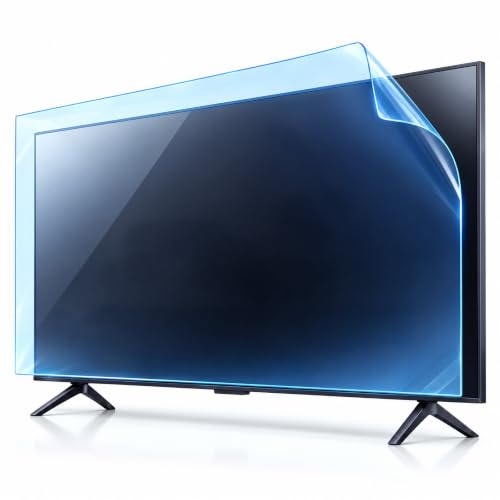
For a 65-inch TV, this film is distinguished by its precise inner-screen fit: 56.25 by 31.65 inches. Its maker describes it for indoor or outdoor use and specifies a four-side adhesive installation, with screen cleaning and careful alignment before peeling the adhesive layer. Measure only the visible screen, not the frame; narrow-bezel 65-inch sets may not fit. The film should match or be slightly smaller than the inner screen, so this option is a poor choice if the measured panel is larger than its dimensions.
Bottom line: Choose this when a 65-inch TV’s visible panel matches its dimensions.
TYRHMY 75-Inch Matte Film

For the largest screen in this comparison, this film is made for a 75-inch TV and has a film size of 64.76 by 36.61 inches. Its maker says the matte surface reduces reflections from ambient light and advises placing an outdoor TV under a roof or in shade; direct sunlight affects the anti-glare function, and the film does not prevent problems from prolonged sun exposure. Check the visible screen measurements before choosing it, since the diagonal alone does not confirm a fit. Its outdoor guidance makes it unsuitable for an exposed, sunny setup.
Bottom line: Choose this for a 75-inch screen installed under cover or in shade.
How to choose anti-glare film for an outdoor TV
Choose by visible screen width and height, not by the TV’s diagonal class alone. A 43-inch or 65-inch label can cover sets with different panel dimensions, especially when bezel widths differ. Matte film scatters reflected light across its surface, which can make bright reflections less distinct but can also soften the picture and reduce perceived contrast. That tradeoff matters more outdoors, where ambient light is often stronger than in a living room. Start with a roofed or shaded position, then measure the screen’s visible area. If the film’s dimensions do not match or slightly undershoot that area, do not assume the diagonal label guarantees fit.
Outdoor shade and sunlight limits
Shade is the deciding condition for using a screen film outside: direct sun can overwhelm glare reduction and can heat a display beyond its intended operating conditions. Keep the television out of direct sunlight and use a roof or shaded structure; a film is not an outdoor enclosure. Outdoor-rated televisions are designed for environmental exposure in a way ordinary indoor TVs are not, so confirm the television itself is rated for its location before installation. Matte surfaces reduce the sharpness of reflections rather than eliminating ambient light, and bright daylight can still wash out the image. A screen film cannot compensate for a sunny, exposed placement.
Measure the screen before ordering
Measure the visible image area horizontally and vertically, excluding the frame or bezel. Compare both numbers with the film’s width and height; diagonal size is only a shorthand and cannot confirm the panel’s aspect ratio or bezel fit. For example, a film intended for a 65-inch set can still miss a narrow-bezel screen if its inner dimensions differ. The film should not cover the frame or extend beyond the screen. Use this decision rule: if either measured screen dimension is larger than the film, select a different size rather than stretching or overlapping the film. Clean, dry glass also helps avoid trapped dust during adhesive installation.
Matte film tradeoffs and safe use
Matte films disperse reflections, while clear screens preserve a glossier image; the choice is a tradeoff between reflection visibility and perceived picture crispness. Before applying film, check the television maker’s guidance because adhesive or added layers may affect the screen surface or warranty. Keep vents uncovered and do not install a film on a hot screen. Outdoor exposure also brings rain, humidity, dust, and temperature changes, none of which a glare film is designed to manage. For an indoor TV, use only a dry, sheltered location unless the television is specifically rated for outdoor conditions.
Frequently Asked Questions
Does anti-glare film make an indoor TV safe outside?
No, anti-glare film does not make an indoor TV weatherproof. Use an outdoor-rated television for exposed locations, and keep any setup in shade to limit direct sun and heat.
Will matte film stop all outdoor screen reflections?
No, matte film scatters reflections rather than removing all ambient light. Bright conditions can still reduce contrast, so shade is important.
How should I measure a TV for screen film?
Measure the visible screen width and height, excluding the bezel. Check both dimensions against the film because matching the TV’s diagonal class alone does not ensure a fit.
Can a TV film go over the bezel?
No, match the film to the visible screen area rather than covering the frame. If either screen dimension exceeds the film dimension, choose another size.
Should I install anti-glare film in direct sunlight?
No, install and use the television in shade rather than direct sunlight. Sun can reduce the film’s glare performance and increase heat on the display.