
Best Korean Hair Mask: 5 Treatments Compared

For a Korean hair mask aimed at chemically treated, heat-damaged, or frizzy hair, UNOVE Deep Damage Repair Hair Mask stands out for its 30,000 ppm keratin-PF formula. Choose another treatment if you want a Japanese mask, a smaller protein treatment, or a larger conditioning option.
Hair masks are rinse-out conditioning treatments used to soften and smooth hair; the right choice depends on hair condition and how much product you want per container.
We earn a commission if you buy through links on this page. As an Amazon Associate I earn from qualifying purchases. Products are compared on manufacturer specifications, not hands-on testing.
- Best overall: UNOVE Deep Damage Repair Hair Mask – Its Korean hair-care positioning and 30,000 ppm keratin-PF target damaged, dry, and frizzy hair.
- Best for a quick treatment: Elizavecca CER-100 Protein Treatment – The maker describes a five-minute treatment in a compact 100 ml size.
- Best for a larger size: MAREE Deep Conditioning Hair Mask – The 10-ounce mask is formulated with keratin, biotin, and coconut oil.
| Product | Best for | Size | Key ingredients | Hair focus | Shop |
|---|---|---|---|---|---|
| UNOVE Deep Damage Repair Hair Mask | Damaged, frizzy hair | 7 fl oz | 30,000 ppm keratin-PF | Damaged, dry, frizzy | Check Price on Amazon |
| Elizavecca CER-100 Protein Treatment | Short treatment time | 100 ml | Ceramide 3, collagen ingredients | Damaged, over-processed | Check Price on Amazon |
| MAREE Deep Conditioning Hair Mask | Moisture and manageability | 10 fl oz | Keratin, biotin, coconut oil | Dry, damaged, color-treated | Check Price on Amazon |
| Fino Premium Touch Hair Mask | Dry hair smoothing | 8.1 oz | 8 serum ingredients | Dry, damaged | Check Price on Amazon |
| TSUBAKI Premium Hair Mask | Salon-style conditioning | 6.35 oz | — | Nutrients | Check Price on Amazon |
Korean Hair Masks Compared
Compare each treatment’s size and formula with your hair’s condition and your preferred treatment style.
UNOVE Deep Damage Repair Hair Mask
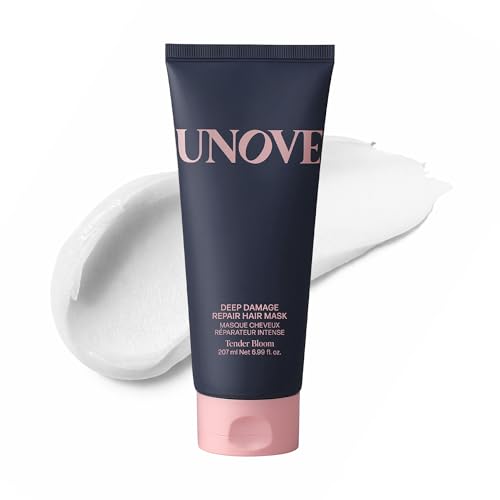
For chemically treated, permed, dyed, or heat-damaged hair, this Korean hair mask is the most specifically targeted option here. The maker says its 30,000 ppm keratin-PF formula replenishes keratin and helps improve strength, elasticity, frizz, and shine; it also contains other nutrients for hydration. The 7-ounce size suits someone who wants a dedicated conditioning treatment rather than a compact tube. Its focus is repair and smoothing, so buyers seeking a Japanese mask or a formula with a different named ingredient blend may prefer another option.
Bottom line: Pick this if your priority is a Korean mask formulated for damaged or frizzy hair.
Elizavecca CER-100 Protein Treatment
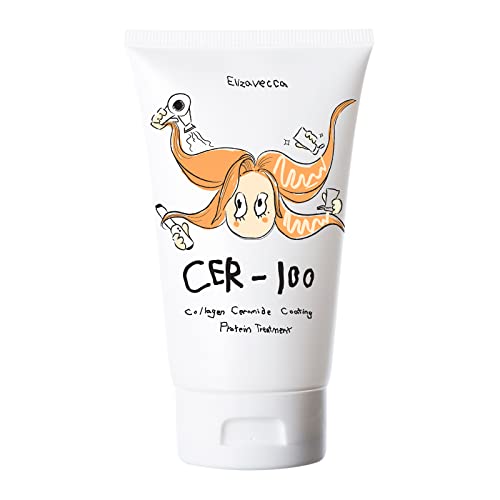
The compact 100 ml size and five-minute treatment claim distinguish this protein treatment from the larger masks. The maker describes it as a deep treatment for damaged or over-processed hair and names ceramide 3 and collagen ingredients. It may suit someone who wants an at-home treatment for heat- or sun-exposed hair without storing a large tub. Its small container is a limitation for frequent use or long hair, and the maker notes that results can vary by user. The specifications do not identify it as Korean, so it is a related alternative rather than a clearly confirmed Korean mask.
Bottom line: Choose this for a short treatment and a compact container.
MAREE Deep Conditioning Hair Mask

At 10 ounces, this mask provides the largest container size among the options with a specified volume. The maker describes a formula with keratin, biotin, and coconut oil for hydration, softness, manageability, and smoother-looking hair, including hair affected by heat styling or coloring. That combination makes it a related choice for someone prioritizing conditioning and detangling. The maker also says results can vary with hair type, condition, and application.
Bottom line: Choose this if you want a larger conditioning mask with named oils and proteins.
Fino Premium Touch Hair Mask

This Japanese hair mask is a related alternative for dry or damaged hair, not a Korean match. The maker says its eight serum ingredients support a smooth, hydrated, manageable finish and describes a floral fragrance. At 8.1 ounces, it offers a mid-sized container and is presented for either daily use or weekly deep conditioning. The broader use options may appeal to someone who wants flexibility in a conditioning routine. Its Japanese positioning and fragrance are the main reasons to choose a different product if Korean origin or a fragrance-free formula is essential.
Bottom line: Consider this Japanese alternative for a smoothing, floral-scented treatment.
TSUBAKI Premium Hair Mask

The TSUBAKI mask is another Japanese treatment rather than a Korean hair mask. Its name describes deep penetration into the hair and nutrient delivery for sustained salon-treatment effects, while the container size is 6.35 ounces. The specifications give fewer formula specifics than several alternatives, so it suits someone who is already interested in this treatment’s salon-style positioning rather than someone comparing named ingredients. Its size is smaller than the 8.1-ounce and 10-ounce options, a relevant distinction for buyers who prefer a larger container.
Bottom line: Pick this Japanese option if its salon-treatment positioning is your priority.
How to Choose a Korean Hair Mask
Match the mask’s purpose to your hair’s main concern: damage, dryness, frizz, or a preference for a short treatment. Conditioning masks coat and soften the hair shaft, while protein-focused formulas emphasize strengthening or repairing claims; these are cosmetic effects, not a guarantee that split ends or structural damage will be reversed. A measurable rule helps narrow the options: if your hair is chemically treated or frequently heat-styled, prioritize a formula that explicitly names damaged or treated hair rather than relying on a general moisture claim. Compare container size as well: the products here range from 100 ml to 10 ounces, so a compact treatment and a larger tub serve different routines. Korean origin matters too, and not every relevant mask is clearly identified as Korean.
How Hair Mask Ingredients Differ
Ingredient names can help distinguish a conditioning mask, but they do not establish that every hair type will respond the same way. Keratin, collagen, and ceramide appear in some formulas here; the makers associate them with repair or strength claims. Oils and serum blends are positioned around softness, hydration, and manageability. Hair masks work on the hair fiber rather than changing new growth, so they are best viewed as temporary conditioning steps. A mask with a protein focus may be a better match for damaged strands, while someone mainly seeking slip and softness can compare conditioning ingredients and fragrance preferences. If a formula leaves hair feeling coated or stiff, reduce how often you use it rather than layering more product.
How to Use a Rinse-Out Hair Mask
Most rinse-out masks are applied after shampooing, distributed through the lengths, left for the product’s specified time, and rinsed thoroughly; use the maker’s directions for the specific product. Keep a rich mask mainly on mid-lengths and ends if your roots become oily easily, since applying heavy conditioner at the scalp can weigh hair down. A five-minute treatment claim appears for one option here, but it should not be assumed for every mask. Start with one mask session and observe how your hair feels before adding another conditioning step. Avoid getting hair products in your eyes, rinse promptly if contact occurs, and stop using a product if irritation develops.
Common Hair Mask Selection Mistakes
A common mistake is treating “Korean hair mask” as a guarantee that every product with similar benefits has Korean origin. In this group, one treatment is explicitly labeled Korean, while the Japanese masks are related alternatives and the remaining products are not clearly identified by origin. Another mistake is equating a large container with a better fit: hair length, frequency of use, and formula preference all affect how useful the size is. Check ingredient claims against your own priorities, especially fragrance and protein focus. If you have a known sensitivity, review the full ingredient label on the package before applying; a list of headline ingredients is not a substitute for the complete formula.
Frequently Asked Questions
How often should I use a hair mask?
Many people use a rinse-out mask about once weekly, then adjust based on dryness and how their hair feels. Fine or easily weighed-down hair may do better with less frequent use, while very dry lengths may call for more conditioning.
Should a hair mask go on wet or dry hair?
Rinse-out masks are generally applied to clean, damp hair so they can spread through the lengths. Remove excess water first, because a dripping-wet coating can dilute the product and make even distribution harder.
Can I use a hair mask after conditioner?
A mask usually takes the place of regular conditioner for that wash, rather than being layered after it. Using both can leave some hair types coated, so start with one conditioning product and adjust if needed.
Are protein hair masks suitable for every hair type?
Protein-focused masks are designed around strengthening or repair claims, but they may not feel right on every head of hair. If strands feel stiff or rough after use, reduce frequency and choose a moisture-focused conditioner instead.
How long should a hair mask stay in my hair?
Use the timing given for that specific product; the treatment in this comparison with a duration uses five minutes. Do not assume that timing applies to other masks, and rinse thoroughly after the recommended interval.