
Fairy Dust Hibiscus Plant: Seeds and Alternatives

For a Fairy Dust hibiscus, start with KVITER Fairy Dust Hibiscus Seeds: its seed description specifically names Fairy Dust blooms and gives a 3–5-inch flower size. Choose another option if you want an established plant, a different seed mix, or fertilizer rather than a Fairy Dust-named seed pack.
We earn a commission if you buy through links on this page. As an Amazon Associate I earn from qualifying purchases. Products are compared on manufacturer specifications, not hands-on testing.
- Best overall: KVITER Fairy Dust Hibiscus Seeds – The only option that specifically names Fairy Dust blooms and gives a pink flower size.
- Best for a live start: Jamaican Sorrel Live Plant – An established Jamaican sorrel starter plant in a 6-inch nursery pot.
- Best for a large seed count: 300+ Hibiscus Flower Seeds – A pack described as containing 300+ hibiscus seeds.
| Product | Best for | Product type | Quantity or size | Bloom or plant detail | Shop |
|---|---|---|---|---|---|
| KVITER Fairy Dust Hibiscus Seeds | Fairy Dust blooms | Seeds | 30 seeds | Pink, 3–5-inch blooms | Check Price on Amazon |
| Jamaican Sorrel Live Plant | Live plant start | Live starter plant | 6-inch pot | Red calyces | Check Price on Amazon |
| 300+ Hibiscus Flower Seeds | Large seed quantity | Seeds | 300+ seeds | Exotic hibiscus; mixed colors | Check Price on Amazon |
| Mixrug Mixed Perennial Hibiscus Seeds | Mixed seed variety | Seeds | 115+ seeds | Mixed colors | Check Price on Amazon |
Fairy Dust Hibiscus Plant Options
These choices range from Fairy Dust-named seeds to a live roselle starter and other hibiscus-growing supplies.
KVITER Fairy Dust Hibiscus Seeds
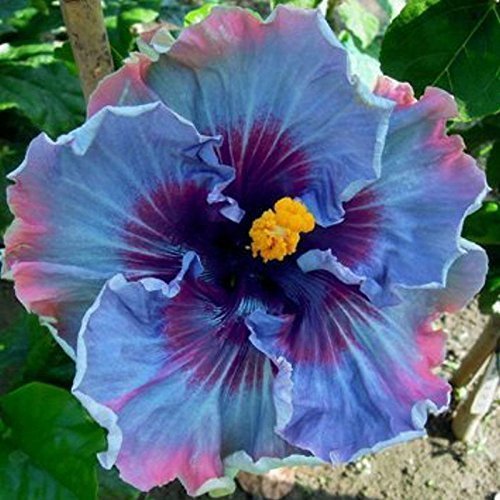
Unlike the other choices, this pack specifically names Fairy Dust blooms and describes pink flowers measuring 3–5 inches wide. The pack contains 30 seeds, with planting guidance to soak them for 24 hours and sow them 1/4 inch deep; it also gives USDA zones 4–9 and a 70–85°F growing range. This is the clearest fit for someone seeking Fairy Dust-named seeds rather than a live plant or general hibiscus mix. The limitation is that seeds require germination and growing time, so choose a live starter if you want a plant already underway.
Bottom line: Pick this if you want Fairy Dust-named seeds with a flower size.
Jamaican Sorrel Live Plant

This is the only live plant here, supplied as a Jamaican sorrel, or roselle, starter in a 6-inch nursery pot. Its distinguishing feature is the edible red calyces used for tea, drinks, jams, and sauces, rather than a Fairy Dust seed pack. The plant suits gardeners who prefer to begin with an established warm-season plant and can provide sun, warmth, water, and growing room. Roselle is a different hibiscus type, so it is not a substitute for someone specifically seeking the Fairy Dust flower described by KVITER Fairy Dust Hibiscus Seeds.
Bottom line: Choose this for a live roselle start and edible calyces.
300+ Hibiscus Flower Seeds

The main distinction is quantity: this pack is described as containing more than 300 hibiscus seeds, far more than the Fairy Dust-named pack. The growing advice calls for warm, humid germination followed by transplanting into sunny, moist, nutritious soil. It may suit gardeners who want a broad hibiscus planting for beds or open spaces and are comfortable with a general seed mix.
Bottom line: Pick this when a large general hibiscus seed pack matters more than a named bloom.
Mixrug Mixed Perennial Hibiscus Seeds

This pack is distinguished by its 115+ mixed perennial hibiscus seeds, offering a middle ground in seed quantity between the 30-seed Fairy Dust-named pack and the 300+ pack. Its planting guidance recommends warm, humid germination, then sunny, moist, nutritious soil. It suits a gardener interested in mixed-color perennial hibiscus for beds or walkways rather than a particular named cultivar. The key limitation is the lack of a Fairy Dust-specific bloom description, so anyone seeking that exact flower should favor the specifically named seeds instead.
Bottom line: Choose this for a mixed perennial seed pack rather than a Fairy Dust-specific flower.
How to choose Fairy Dust hibiscus seeds
Choose by flower identity first, then by how much seed-starting you want to do. A seed packet grows a plant from germination onward; a potted starter skips that early stage but may be a different hibiscus type. For a Fairy Dust-specific choice, look for the name and a matching bloom description, not just the word hibiscus. The named pack here gives a pink 3–5-inch bloom description. Seed-starting details also matter: the named pack recommends a 24-hour soak and sowing 1/4 inch deep, while the general mixes advise warm, humid germination. Start seeds indoors where a short growing season makes outdoor establishment difficult, and transplant after frost risk has passed.
Fairy Dust hibiscus growing conditions
Full sun and warm growing conditions are the clearest starting points in these seed options. The Fairy Dust-named pack gives USDA zones 4–9, a 70–85°F growing range, and full sun to partial shade; it recommends well-drained soil and low to average watering. Those figures are product-specific guidance, not a guarantee of the same results in every garden. A practical decision rule is to choose a sunny spot if you can provide at least 6 hours of direct light; afternoon shade can reduce heat stress in very hot climates. Keep soil moist during establishment but avoid waterlogged beds. The general mixes also call for sunny, moist, nutritious soil, but do not give the same precise temperature or zone range.
Seed packs and live roselle compared
Seed packs suit gardeners willing to germinate and raise plants, while a live roselle starter provides a head start in a 6-inch pot. The difference is not just timing: Jamaican sorrel is roselle, known here for its edible red calyces, whereas the seed packs are described as hibiscus flower seeds. Use the table to match the format and distinguishing trait to your goal.
| Need | Option type | Deciding trait |
|---|---|---|
| Fairy Dust-named blooms | Seed pack | Pink, 3–5-inch flowers described |
| Established warm-season plant | Roselle starter | Live plant in 6-inch pot |
| Many seeds for a broad planting | General seed pack | More than 300 seeds described |
Roselle also needs warm weather and room to branch, so it is not the equivalent of a named Fairy Dust flower.
When to sow hibiscus seeds
Sow hibiscus seeds when warmth and frost timing support steady growth. A seed-starting temperature around 70–75°F is commonly used for warm-season flower seeds; the Fairy Dust-named pack gives a broader 70–85°F range. Use a clean seed-starting mix, keep it evenly moist rather than saturated, and provide bright light after sprouting to limit weak, stretched seedlings. Harden seedlings outdoors over about 7–10 days before transplanting, increasing outdoor exposure gradually. Leave enough space for mature plants: the Fairy Dust-named pack recommends 36–48 inches between plants. A common mistake is crowding seedlings because they look small at transplant time; spacing needs to reflect mature growth, not the starter pot.
Frequently Asked Questions
How long should hibiscus seeds soak before planting?
The Fairy Dust-named seed pack recommends soaking seeds for 24 hours before planting 1/4 inch deep.
How much sun does a Fairy Dust hibiscus need?
The Fairy Dust-named seeds are described for full sun to partial shade. Aim for at least 6 hours of direct sun for flowering plants, with some afternoon shade helpful where summers are intensely hot.
How far apart should hibiscus plants be spaced?
The Fairy Dust-named seed guidance recommends spacing plants 36–48 inches apart. That spacing gives each plant room as it grows instead of forcing a dense planting.
Can Jamaican sorrel replace Fairy Dust hibiscus?
No, Jamaican sorrel is roselle, a different hibiscus type grown for its edible red calyces. Choose it for a live warm-season starter or harvest use, not when the goal is a Fairy Dust-named flower.
When should hibiscus seedlings move outdoors?
Move seedlings outside after frost danger has passed and daytime temperatures stay warm. Harden them over 7–10 days by gradually increasing outdoor exposure before transplanting.