
Turtle Shell Back Brace: TLSO Models Compared by Fit

For a turtle shell back brace, BraceAbility TLSO Turtle Shell, Large is the closest match because it is a hard-shell TLSO jacket with full back coverage and fits a 40–45-inch waist. Choose a different style if you need an inflatable support or a lumbar belt rather than a full back brace.
We earn a commission if you buy through links on this page. As an Amazon Associate I earn from qualifying purchases. Products are compared on manufacturer specifications, not hands-on testing.
- Best overall: BraceAbility TLSO Turtle Shell, Large – Hard-shell TLSO jacket covers the full back and fits a 40–45-inch waist.
- Best for inflatable support: Inflatable TLSO Full Back Brace – The TLSO includes a manually inflated airbag and adjustable height and waist.
- Best for pulley adjustment: TODDOBRA TLSO Full Back Brace, Medium – The full back TLSO uses a mechanical pulley system to tighten the waist.
| Product | Best for | Brace type | Fit range | Weight | Shop |
|---|---|---|---|---|---|
| BraceAbility TLSO Turtle Shell, Large | Hard-shell TLSO | Hard-shell TLSO | 40–45 in waist | 2.3 lb | Check Price on Amazon |
| Inflatable TLSO Full Back Brace | Airbag adjustment | Inflatable TLSO | One size | 3.3 lb | Check Price on Amazon |
| TODDOBRA TLSO Full Back Brace, Medium | Mechanical tightening | Pulley TLSO | Medium | — | Check Price on Amazon |
Turtle Shell Back Braces Compared
Compare full back TLSO jackets with related lumbar support styles, then match the brace to your fit and support needs.
BraceAbility TLSO Turtle Shell, Large
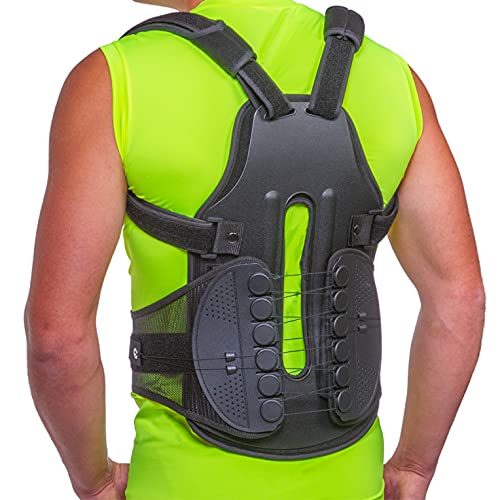
The hard turtle shell jacket makes this the most direct match for a full back brace, unlike the inflatable and lumbar-belt options. Its full back coverage is intended for upper and lower back support, and the large size fits waist circumferences of 40–45 inches. The dual-pulley system adjusts compression. The maker describes uses including kyphosis, fractures and post-surgery recovery; those conditions call for clinician guidance, not self-selection based on a product label. This is a single large size, so measure where the brace will sit before choosing it.
Bottom line: Choose this if you want a hard-shell full back TLSO and measure 40–45 inches around the intended fit area.
Inflatable TLSO Full Back Brace
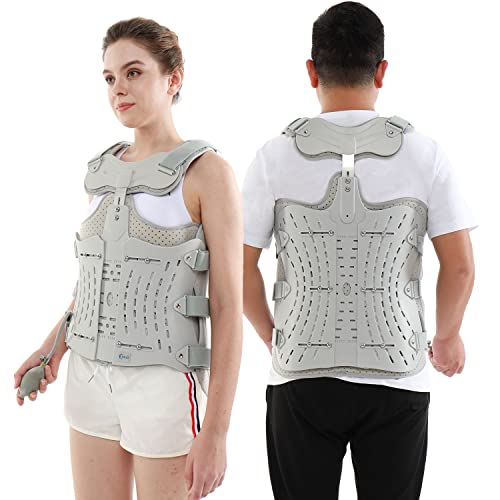
The manually inflated airbag sets this TLSO apart from the rigid jacket and pulley-driven braces. Its airbag measures 9.05 inches wide by 14.17 inches long, and the separated three-piece design allows height and waist adjustment. The brace weighs about 3.3 pounds based on the weight. The maker presents it for mid- and lower-back support across several conditions, but the medical claims should not replace advice from a clinician. One size is offered, so confirm that its adjustment range accommodates your body and intended placement before ordering.
Bottom line: Pick this if adjustable air pressure is more important to you than a rigid shell.
TODDOBRA TLSO Full Back Brace, Medium

The mechanical pulley system distinguishes this TLSO from the airbag model and the hard turtle shell jacket. It tightens the waist through a cord-and-pulley arrangement, while the brace is designed to support the full back and limit movement. The fields identify a medium size but provide no measurement range, so check whether medium fits your waist before buying. The maker describes this brace for several back conditions and recovery needs; anyone using a brace after injury or surgery should confirm the appropriate type and fit with a clinician.
Bottom line: Choose this if you want a pulley-tightened full back TLSO and can confirm the medium fits.
How to choose a turtle shell back brace
Choose by coverage, fit and the support mechanism, not by the condition names in marketing. Hard-shell, inflatable and pulley designs also differ in structure and adjustment. Match the intended coverage to a clinician’s recommendation, especially after a fracture or surgery. Measure the body where the brace will sit: a waist measurement and a navel-level belly measurement are not automatically the same. If a size range is close to your measurement, ask the manufacturer or clinician how to measure rather than assuming stretch or adjustment will bridge the difference.
How to measure for back brace fit
Use a soft, flexible tape and keep it level around the specific location named for the size chart. The large turtle shell brace is specified for a 40–45-inch waist, while the L/XL lumbar belt uses a 33.75–47-inch belly measurement at navel level; compare only measurements taken at the matching body location. A fit that is too loose can shift, while excessive compression can be uncomfortable and may restrict breathing or movement. Do not size a torso jacket from pants size.
Full back TLSO versus lumbar LSO
The brace type should follow the body area and use case specified by a clinician, not the broadest claim on a package. For a quick distinction, use this guide:
| Need | Brace style to consider |
|---|---|
| Upper and lower back coverage | TLSO full back brace |
| Lumbar-focused belt support | LSO back brace |
| Hard outer shell construction | Turtle shell TLSO jacket |
These categories describe coverage, not which brace is medically appropriate for a particular diagnosis.
Safe use and brace adjustment
Back braces should fit firmly without causing numbness, tingling, skin color changes or trouble breathing; loosen or remove the brace and seek medical advice if these occur. Braces can limit movement and may change how the torso bears load, so follow the wearing schedule given by a clinician rather than wearing a rigid brace continuously by default. Put the brace on in the position and over the clothing layer recommended for its design, then recheck its fit when sitting and standing. Never use adjustment force to compensate for a size mismatch or assume greater compression means better support.
Frequently Asked Questions
How tight should a turtle shell back brace feel?
A brace should feel secure without numbness, tingling, skin color changes or restricted breathing. If any of these occur, loosen or remove it and contact a clinician.
Where should I measure for a back brace?
Measure at the body location specified for that brace’s size range, with a soft tape held level. A waist measurement and a navel-level belly measurement can differ, so do not substitute one for the other.
Can I wear a TLSO over a shirt?
Many rigid torso braces are worn over a thin, smooth layer to reduce rubbing, but the prescribed setup for a particular brace takes priority. Check the skin regularly, especially where edges or straps press.
How long should I wear a TLSO each day?
The wearing schedule depends on the reason for the brace and the clinician’s plan, so there is no safe universal number of hours. After a fracture or surgery, follow the treating clinician’s schedule rather than increasing wear time yourself.
What is the difference between TLSO and LSO braces?
Choose based on the area your clinician wants supported, not simply the condition names associated with a brace.