
Bridgestone Ecopia Tires: 5 Sizes Compared by Fit

For a broad starting point, the Bridgestone Ecopia H/L 422 Plus in 265/50R20 combines all-season SUV fit with a 70,000-mile limited treadwear warranty. Choose another size or model when your vehicle placard calls for it; Ecopia tires are not interchangeable just because they share a brand family.
These tires are passenger or truck/SUV touring tires, depending on the model, designed for road use. Match the full size and load rating on your vehicle’s placard or owner’s manual before selecting a replacement.
We earn a commission if you buy through links on this page. As an Amazon Associate I earn from qualifying purchases. Products are compared on manufacturer specifications, not hands-on testing.
- Best overall: Bridgestone Ecopia H/L 422 Plus 265/50R20 – The 265/50R20 H/L 422 Plus pairs all-season SUV fit with a 70,000-mile limited treadwear warranty.
- Best for 205/55R16: Bridgestone Ecopia EP422 Plus 205/55R16 – The EP422 Plus is the 205/55R16 option and includes a 70,000-mile limited treadwear warranty.
- Best for select OE fitments: Bridgestone Ecopia EP600 175/60R19 – The EP600 is identified as original equipment on select vehicles, so confirm that fitment for your vehicle.
| Product | Best for | Size | Load index | Treadwear warranty | Shop |
|---|---|---|---|---|---|
| Bridgestone Ecopia H/L 422 Plus 265/50R20 | 20-inch SUVs | 265/50R20 | 107 | 70,000 miles | Check Price on Amazon |
| Bridgestone Ecopia EP422 Plus 205/55R16 | 16-inch sedans | 205/55R16 | 91 | 70,000 miles | Check Price on Amazon |
| Bridgestone Ecopia H/L 422 Plus 215/65R17 | 17-inch crossovers | 215/65R17 | 99 | 70,000 miles | Check Price on Amazon |
| Bridgestone Ecopia H/L 422 Plus 235/60R18 | 18-inch SUVs | 235/60R18 | 103 | — | Check Price on Amazon |
| Bridgestone Ecopia EP600 175/60R19 | Select OE vehicles | 175/60R19 | 86 | — | Check Price on Amazon |
Bridgestone Ecopia Tires by Size and Model
Compare the Ecopia models by tire size, load index and warranty, then confirm the required fit for your vehicle.
Bridgestone Ecopia H/L 422 Plus 265/50R20
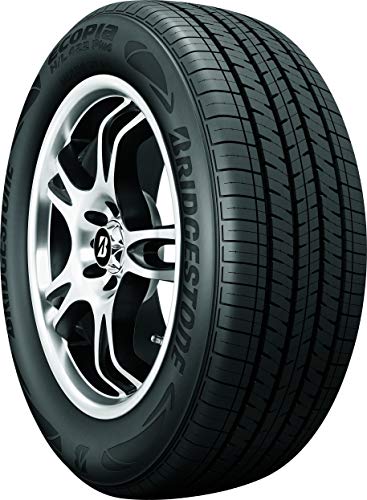
The 265/50R20 H/L 422 Plus is the Ecopia option here with a 107 load index and the strongest feature set for SUV touring. Bridgestone says its tread pattern supports water evacuation, wet-road braking, and resistance to irregular wear; the tire also carries a 70,000-mile limited treadwear warranty. Its all-season designation suits drivers seeking a road-focused tire rather than a specialized winter tire. The limitation is fit: this is a specific 20-inch size, so it is only a candidate when that size and load rating match the vehicle placard.
Bottom line: Choose this if your vehicle calls for 265/50R20 and you want an all-season SUV touring tire.
Bridgestone Ecopia EP422 Plus 205/55R16

The EP422 Plus is the 16-inch passenger-touring option, distinct from the larger H/L SUV tires in this group. Bridgestone describes it as optimized for fuel efficiency and all-season performance, and its 70,000-mile limited treadwear warranty makes tread life a focus. The 91 load index is part of the size designation and must meet the vehicle’s requirement. Its limitation is the narrow fit range represented here: a driver whose placard calls for a different size or load index should choose a matching tire instead.
Bottom line: Choose this when your placard specifies 205/55R16 with a load index of at least 91.
Bridgestone Ecopia H/L 422 Plus 215/65R17
The H/L 422 Plus in 215/65R17 brings the model’s all-season highway positioning to a 17-inch fit, rather than the 20-inch size of the other H/L option here. Bridgestone identifies a quiet, comfortable ride and a limited treadwear warranty of up to 70,000 miles. Its 99 load index is a key fit check, not a measure of tread life. The limitation is that the feature set does not include the more specific wet-road and tread-pattern claims associated with the 265/50R20 entry, so compare the size and vehicle requirement first.
Bottom line: Choose this for a vehicle requiring 215/65R17 and a 99 load index.
Bridgestone Ecopia H/L 422 Plus 235/60R18
The 235/60R18 H/L 422 Plus fills the 18-inch SUV touring size in this group, between the 17- and 20-inch H/L options. Its 103 load index is the relevant rating to compare with the placard; the tire is identified as a standard-load radial with an all-season traction designation. The main limitation is that no treadwear warranty figure accompanies this entry, so do not assume it matches the 70,000-mile warranty attached to some other Ecopia models. A vehicle calling for a higher load rating or another size needs a different match.
Bottom line: Choose this when 235/60R18 and load index 103 meet your vehicle’s requirements.
Bridgestone Ecopia EP600 175/60R19
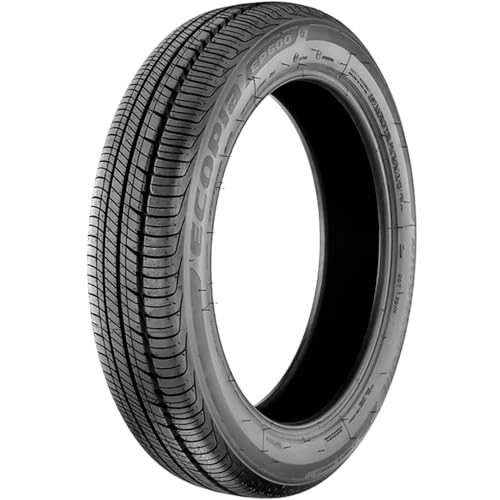
The EP600 stands apart as the only Ecopia entry here identified as original equipment on select vehicles, in size 175/60R19. Its 86 load index and Q speed symbol are part of the tire designation, and the specifications give a load capacity of 1,168 pounds. The fit is vehicle-specific, so this is not a general substitute for other 19-inch tires. Confirm that your exact vehicle is among the intended original-equipment fitments before choosing it; the specifications do not provide a treadwear warranty figure.
Bottom line: Choose this only if your vehicle’s required OE fitment is 175/60R19.
How to choose a Bridgestone Ecopia tire
Start with the full tire size and load index on the driver’s door-jamb placard, then compare the tire’s size and rating against those requirements. A size such as 205/55R16 encodes width in millimeters, sidewall aspect ratio, construction, and wheel diameter in inches; changing one part can affect fit and handling. Load index is a code, not pounds: for example, index 91 corresponds to 1,356 pounds per tire under standardized conditions. Never select a lower load index than the vehicle specifies. For this set, choose by exact placard fit first, then compare warranty and model features.
Use the following distinctions to narrow the candidates; it does not replace the vehicle’s required size and rating.
| Need or fit | Ecopia option |
|---|---|
| 265/50R20 SUV touring | H/L 422 Plus, 107 load index |
| 235/60R18 SUV touring | H/L 422 Plus, 103 load index |
| 215/65R17 touring | H/L 422 Plus, 99 load index |
| 205/55R16 passenger touring | EP422 Plus, 91 load index |
| 175/60R19 select OE fitment | EP600, 86 load index |
What tire size and ratings mean
Tire size is more than wheel diameter: the first number is section width in millimeters, the second is sidewall height as a percentage of width, and the final number is the wheel diameter in inches. The letter after the load index is the speed symbol; Q and H are different ratings, so retain the vehicle’s required specification. A replacement should match the placard’s size and meet or exceed its load index and speed rating. Do not infer fit from appearance or from another Ecopia size. If the placard permits more than one approved size, use one of those listed combinations and keep all four tires consistent unless the vehicle maker directs otherwise.
All-season touring versus original-equipment fit
All-season touring tires are intended for everyday paved-road use across varied weather, but an all-season designation does not make a tire a dedicated winter tire. Snow and ice capability differs by tire design, and winter-specific tires use compounds and tread patterns intended for colder conditions. An original-equipment tire is selected for a particular vehicle configuration; it is not automatically a universal replacement for every vehicle that uses the same wheel diameter. The EP600 entry is vehicle-specific, while the H/L 422 Plus and EP422 Plus entries cover distinct sizes and vehicle categories. If winter roads regularly bring ice or deep snow, choose a tire with the appropriate winter designation and fitment rather than relying on the all-season label alone.
When to replace and maintain tires
Federal guidance sets 2/32 inch as the minimum tread depth for tire replacement; wet-road traction can become a concern well before that point, so check tread regularly rather than waiting for the legal limit. A tread-depth gauge gives a direct reading, and uneven wear can signal inflation, alignment, or suspension issues. Check tire pressure monthly when tires are cold, using the vehicle placard’s pressure rather than the maximum molded on the sidewall. Many vehicle makers recommend rotation about every 5,000 to 7,500 miles, though the maintenance schedule and tire pattern can change that interval. Keep tires in matching sizes and ratings appropriate to the vehicle, and replace damaged tires promptly.
Frequently Asked Questions
How do I know which Ecopia tire size fits my car?
Read the driver’s door-jamb placard or owner’s manual and match the complete size, load index, and speed symbol. For example, 205/55R16 is not interchangeable with 215/65R17 just because both are passenger tires.
What does a tire load index of 91 mean?
A load index of 91 corresponds to 1,356 pounds per tire under standardized conditions. The replacement tire’s load index should meet or exceed the vehicle’s requirement.
When should I replace an Ecopia tire for low tread?
Replace a tire by the time tread reaches 2/32 inch, the federal minimum tread depth. Wet traction can weaken earlier, so measure tread in multiple grooves and inspect for uneven wear.
How often should I check tire pressure?
Check pressure monthly with tires cold and before long trips. Use the pressure on the vehicle placard, since the sidewall figure is a maximum rather than the recommended operating pressure.
Are all-season Ecopia tires suitable for icy roads?
An all-season designation does not make a tire a dedicated winter tire. In frequent ice or deep snow, use a properly sized tire with an appropriate winter designation and retain the vehicle’s required load rating.