
BG 44K Platinum New: Compare Can and Pack Options

BG 44K Platinum New is the closest match for someone seeking BG 44K Platinum New in a single-can package; choose it over a multipack if you need just one treatment container. Choose a bundle instead if you want multiple cans or a specific added item.
BG 44K Platinum is a gasoline fuel-system cleaner intended to address deposits. Confirm the product’s dose and compatibility with your vehicle before adding it.
We earn a commission if you buy through links on this page. As an Amazon Associate I earn from qualifying purchases. Products are compared on manufacturer specifications, not hands-on testing.
- Best overall: BG 44K Platinum New – The named BG 44K Platinum New product is offered as a single item.
- Best for two bottles: BG 44K Platinum, Two Bottles – This option contains two bottles and lists corrosion prevention among its claims.
- Best for oxygen-sensor cleaning: BG 44K Platinum, Two Cans – Its functions include removing deposits from the oxygen sensor and cleaning the catalytic converter.
- Best for three treatments: BG Platinum 44K, Three Cans – The bundle includes three 11-fluid-ounce cans and a key chain.
| Product | Best for | Pack size | Package dimensions | Stated focus | Shop |
|---|---|---|---|---|---|
| BG 44K Platinum New | Single can | Single item | 5 × 3 × 3 in | Power, economy, drivability | Check Price on Amazon |
| BG 44K Platinum, Two Bottles | Corrosion focus | 2 bottles | 8 × 5 × 3 in | Corrosion, knock, drivability | Check Price on Amazon |
| BG 44K Platinum, Two Cans | Exhaust components | 2 cans | 3 × 6 × 5 in | Injectors, oxygen sensor, catalytic converter | Check Price on Amazon |
| BG Platinum 44K, Three Cans | Three-can bundle | 3 cans | — | Fuel injectors, valves, combustion chambers | Check Price on Amazon |
BG 44K Platinum New options
Compare the package count and the functions each option says it supports.
BG 44K Platinum New
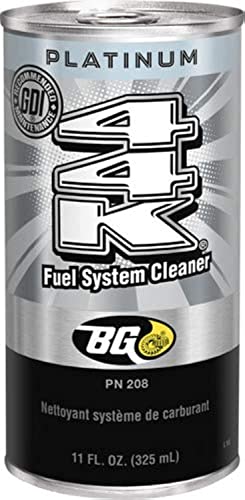
BG 44K Platinum New is the named single-item option, unlike the multipacks below. Its claims focus on power output, fuel economy, engine performance, and drivability. The product text also describes deposits at injectors, intake ports and valves, and combustion chambers as concerns that can affect combustion and emissions. This is a fit for someone seeking one can with broad engine-performance claims. The package size is given as 325 without a unit, so confirm the container volume and the required dose before use.
Bottom line: Choose this if you want the named product as a single item.
BG 44K Platinum, Two Bottles
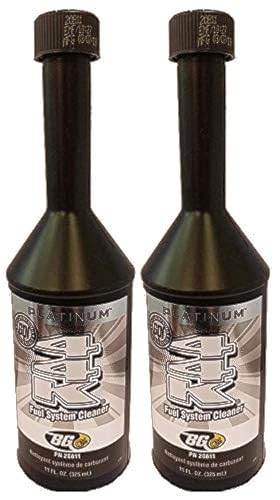
BG 44K Platinum, Two Bottles stands out for explicitly including corrosion prevention and reducing engine knock or run-on tendencies among its claims. The two-bottle format suits buyers who want multiple containers rather than one. It also claims increased power and restored engine performance and drivability. The package text says the date is a “born on date,” so do not interpret that as a use-by date without checking the container. Its functions are not the same as a diagnosis or repair for an engine fault.
Bottom line: Pick this if corrosion and knock-related claims matter to your comparison.
BG 44K Platinum, Two Cans

BG 44K Platinum, Two Cans is the two-can option whose focus extends beyond power output to injector flow, oxygen-sensor deposits, and catalytic-converter cleaning. That makes its claims distinct from the single-item package’s emphasis on economy and drivability. It fits someone comparing a multi-can package with explicit exhaust-component cleaning claims. The specifications do not identify a treatment volume per can or vehicle application, so confirm those before use; an additive should not be treated as a substitute for diagnosing a warning light or a damaged component.
Bottom line: Choose this if the oxygen-sensor and catalytic-converter claims are the deciding factors.
BG Platinum 44K, Three Cans

BG Platinum 44K, Three Cans is the only three-can bundle and includes three 11-fluid-ounce cans plus a Motor God key chain. Its focus is removing carbon buildup from fuel injectors, intake valves, and combustion chambers, with claims about combustion, power, and fuel economy. The bundle is described as compatible with gasoline engines and alcohol-blended fuels. It suits someone who wants several cans in one package.
Bottom line: Pick this if you specifically want three 11-fluid-ounce cans and the included key chain.
How to choose a BG 44K fuel cleaner
Choose by the function and package count, not by assuming that every fuel additive addresses the same deposit location. Gasoline sold in the United States must meet EPA detergent requirements, but direct-injection engines do not spray fuel over the backs of their intake valves, so fuel-tank additives cannot be assumed to clean those surfaces. Port-injected engines route fuel past the intake valves, which changes where deposits may form. A cleaner is not a fix for a failed injector, sensor, or catalytic converter. If you are choosing for a drivability symptom or warning light, diagnose the cause rather than relying on a cleaner alone.
| Need | What to compare |
|---|---|
| One container | Single-item package |
| More than one container | Two- or three-can package |
| Specific component focus | Look for the named injector, valve, oxygen-sensor, or converter claim |
Use the package’s actual dose and vehicle guidance as the deciding condition; do not pour in extra product to chase a stronger effect.
How fuel-system deposits and cleaners differ
Fuel-system deposits can form in injectors, combustion chambers, and intake paths, but a tank additive reaches only surfaces exposed to the treated fuel or combustion process. In a port-injected engine, fuel passes the intake valves; in a direct-injection engine, fuel is injected inside the cylinder, so the intake-valve backs are not washed by gasoline. That distinction matters when matching a symptom to a cleaning method. A fuel additive also cannot restore a physically damaged sensor or catalyst. A persistent misfire, knock, or warning light calls for diagnosis, because continuing to drive with an active fault can cause additional damage.
Do not equate an additive’s advertised cleaning targets with a guarantee that it will clean every component in every engine design. Product claims and package directions should be checked against the engine’s fuel type and manufacturer guidance.
How to use gasoline additives safely
Gasoline and fuel-system additives are flammable, so handle the container with the engine off, away from smoking, flames, and hot surfaces. Keep the liquid off skin and eyes, and close the fuel cap and additive container securely after use. Additive concentration depends on the quantity of fuel being treated; using more than the dose does not make cleaning more effective and can take the mixture outside its intended concentration. Confirm the container’s dose, fuel compatibility, and timing before adding it. If product or vehicle instructions conflict, do not guess: verify the right application before pouring.
Store fuel additives in their original closed containers and out of children’s reach. Do not pour leftover additive into drains or onto the ground; follow local hazardous-waste guidance for disposal.
Frequently Asked Questions
Do gasoline additives clean intake valves on every engine?
No. In port-injected engines, fuel passes the intake valves, while direct-injection engines spray fuel into the cylinder and do not wash the backs of those valves with gasoline. Choose a cleaning approach based on the engine’s injection design.
Can a fuel additive fix an engine warning light?
No additive should be treated as a repair for a warning light. A light that flashes, misfire, or persistent knock can indicate a fault that needs diagnosis; continued driving with a serious misfire may damage the catalytic converter.
Is more fuel cleaner better for an engine?
No. The additive concentration depends on the amount of gasoline being treated, and exceeding the package dose can create an unintended mixture. Confirm the dose and tank application before adding any cleaner.
Are gasoline fuel additives flammable?
Yes. Keep fuel additives away from flames, sparks, smoking, and hot engine surfaces, and handle them with the engine off. Store containers closed and away from children.
Does an oxygen-sensor cleaning claim mean a sensor is repaired?
No. Cleaning claims do not mean a physically failed oxygen sensor is repaired. A persistent sensor-related warning or drivability issue should be diagnosed rather than addressed by repeatedly adding cleaner.