
Wall Foam for Inground Pools: 3 Rolls Compared

For most inground pool projects, SmartLine 100-ft Wall Foam Kit is the broadest fit because its 100-foot roll includes spray adhesive and is sized for pools up to 28 feet round or 18 by 36 feet oval or rectangular. Choose Smartline 75-ft Wall Foam Kit for the smaller stated pool range, or Smartline 125-ft Inground Wall Foam if you want a 125-foot roll without an adhesive kit.
Wall foam is a padding layer installed against the pool wall behind the liner; match its height and roll coverage to your pool before choosing.
We earn a commission if you buy through links on this page. As an Amazon Associate I earn from qualifying purchases. Products are compared on manufacturer specifications, not hands-on testing.
- Best overall: SmartLine 100-ft Wall Foam Kit – Its 100-foot roll includes adhesive and accommodates larger stated pool sizes.
- Best for smaller pools: Smartline 75-ft Wall Foam Kit – The 75-foot roll with adhesive is sized for pools up to 12 by 24 feet.
- Best for longer coverage: Smartline 125-ft Inground Wall Foam – The 125-foot roll provides the greatest length among these inground options.
| Product | Best for | Roll length | Foam thickness | Adhesive included | Shop |
|---|---|---|---|---|---|
| SmartLine 100-ft Wall Foam Kit | Larger pool projects | 100 ft | 1/4 in | Yes | Check Price on Amazon |
| Smartline 75-ft Wall Foam Kit | Smaller pools | 75 ft | 1/4 in | Yes | Check Price on Amazon |
| Smartline 125-ft Inground Wall Foam | Longer wall coverage | 125 ft | 1/8 in | No | Check Price on Amazon |
Wall Foam for Inground Pools Compared
Compare roll coverage, foam thickness and adhesive before selecting wall padding for your pool.
SmartLine 100-ft Wall Foam Kit

The 100-foot roll and included spray adhesive make this the broadest-coverage kit here, accommodating pools up to 28 feet round or 18 by 36 feet oval or rectangular. Its closed-cell foam is 42 inches high and 1/4 inch thick, and the maker says it adds a protective layer and helps retain heat. Spray adhesive is intended for bonding the foam to pool-wall surfaces. This option suits a larger pool within the size range; the 1/4-inch thickness may be more padding than needed if you specifically want a thinner barrier.
Bottom line: Choose this kit for a pool within its larger size range when you want adhesive included.
Smartline 75-ft Wall Foam Kit
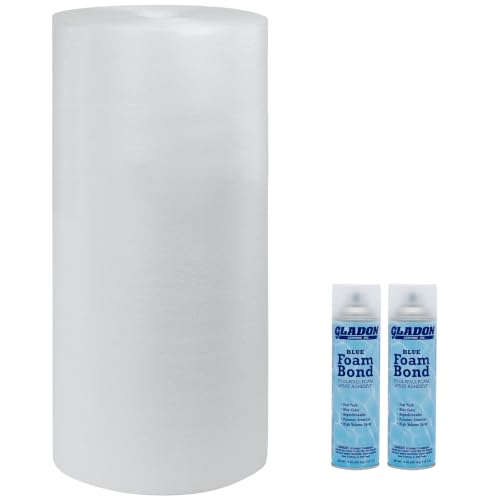
The 75-foot roll is sized for a smaller stated pool range—up to 12 by 24 feet oval or rectangular—and comes with spray adhesive. The closed-cell foam measures 42 inches high by 1/4 inch thick, creating a padded layer between the wall and liner. The maker says the foam helps protect the liner and retain heat. This kit fits a project within that stated size range; its shorter roll gives less coverage than the 100- and 125-foot choices, so verify the pool perimeter before selecting it.
Bottom line: Pick this kit for a smaller oval or rectangular pool within its dimensions.
Smartline 125-ft Inground Wall Foam

The 125-foot roll provides the longest coverage here, while its 1/8-inch thickness is half that of the two adhesive kits. The foam is 42 inches high and is intended as a protective, insulating barrier between an inground pool wall and its liner. The maker says it can help guard against rust and corrosion and improve heat retention; color may be white or blue. This roll suits projects where extra length or a thinner layer matters, but adhesive is not included as part of the product name or stated specifications.
Bottom line: Choose this roll when you need the longest coverage or prefer 1/8-inch foam.
How to measure pool walls for foam
Measure the full inside perimeter and compare it with the roll length; the pool-size ranges are useful starting points, not substitutes for measuring. A 12-by-24-foot oval has a perimeter that differs from a 12-by-24-foot rectangle, and round pools require their diameter rather than a side length to estimate circumference. For a round pool, multiply diameter by about 3.14; for a rectangle, add twice the length and twice the width. Add separate curved and straight sections for irregular shapes, then allow extra length for trimming and clean seams.
Roll height matters too: these inground options are 42 inches high. Confirm that the pool wall height and liner installation area can use that width before choosing; foam that is too tall may need trimming, while a narrow strip leaves wall uncovered.
Choosing foam thickness and adhesive
Thickness separates the foam options: 1/4-inch foam is twice as thick as 1/8-inch foam, so it creates a deeper cushion but also occupies more space behind the liner. Choose based on the padding you want and the wall-to-liner fit, rather than assuming thicker foam is always better. Adhesive is included with the 75- and 100-foot kits; the 125-foot roll is the thinner option without an adhesive kit indicated.
For spray adhesive, prepare a clean, dry surface and follow the adhesive maker’s application directions. Pool-wall materials and coatings can differ, so check compatibility before bonding; do not apply adhesive over damp, dirty, or loose surfaces. Keep foam edges meeting evenly rather than layering overlaps, which can create a raised ridge under the liner.
Pool wall foam types and coverage
Inground pool wall foam is a sheet barrier installed between the pool wall and liner, not a replacement liner or structural repair. Closed-cell foam resists absorbing water into its cells, while thickness, roll length, and adhesive packaging determine how a particular roll suits a project. The maker says the adhesive kits help protect the liner from contact with metal components and can help retain heat; treat those as intended benefits, not a substitute for correcting rust or sharp wall damage.
Use this table to narrow the roll by pool dimensions and coverage, then measure the actual wall perimeter.
| Pool or project need | Starting option |
|---|---|
| Up to 12 by 24 ft oval or rectangle | 75-ft kit |
| Up to 28 ft round or 18 by 36 ft oval/rectangle | 100-ft kit |
| Longest roll and 1/8-in thickness | 125-ft roll |
Installation and liner safety
Prepare the wall before adding foam: remove debris and address sharp projections or corrosion that could damage a liner, because padding does not repair a weakened wall. The adhesive kits call for a small, clean, dry surface during application; let the adhesive set according to its directions before positioning the liner. Work around the wall without stretching or bunching the foam, and keep seams snug so the liner has a smoother backing.
Use only pool wall foam intended for the specific wall and liner setup, and keep adhesive away from pool water and ignition sources while applying it. A 42-inch roll should cover a 42-inch wall only if the full usable height is appropriate; verify wall height and required coverage before installation, especially on nonstandard or irregular pools.
Frequently Asked Questions
How much wall foam does an inground pool need?
A 75-foot roll is sized for the 12 by 24 foot oval or rectangular pool, while a 100-foot roll is sized for a pool up to 28 feet round or 18 by 36 feet oval or rectangular. For other shapes or dimensions, add the wall lengths to estimate the perimeter and allow for trimming.
Should pool wall foam seams overlap?
Butt foam edges together rather than stacking them, so the liner has a more even surface behind it. Keep seams snug and avoid gaps where the pool wall could contact the liner directly.
Does thicker pool wall foam provide more protection?
A 1/4-inch layer is twice as thick as a 1/8-inch layer and adds more padding. Choose based on the desired padding and available wall-to-liner space, since added thickness can affect the fit.
How should a pool wall be prepared for foam?
The wall should be clean and dry before adhesive is applied; moisture or loose debris can interfere with bonding. Remove sharp projections and check that the foam can sit smoothly against the full wall.
Can wall foam help retain pool heat?
Foam can act as an insulating layer between the pool wall and liner, though it is not a replacement for a pool cover. Heat loss also depends on factors such as water exposure to wind and nighttime air temperature.