
Blue Heart Lily Plant: Live and Decorative Options

No true blue heart lily plant is among these options; Blue Hosta Seeds is the closest live choice because it is a hosta with heart-shaped foliage. Choose it for a growing perennial, or consider the other options for blue lily-style decoration rather than a living plant.
We earn a commission if you buy through links on this page. As an Amazon Associate I earn from qualifying purchases. Products are compared on manufacturer specifications, not hands-on testing.
- Best overall: Blue Hosta Seeds – The only live plant option, with heart-shaped hosta foliage.
- Best for craft projects: Blue Artificial Lily Heads, 20-Pack – Twenty blue fabric lily heads measure 2.7 inches across.
- Best for a bouquet: Blue Artificial Calla Lilies, 24-Pack – The artificial calla lilies come as 24 stems, each 14.2 inches tall.
| Product | Best for | Type | Count | Size | Shop |
|---|---|---|---|---|---|
| Blue Hosta Seeds | Live leafy plant | Hosta seeds | 365+ seeds | — | Check Price on Amazon |
| Blue Artificial Lily Heads, 20-Pack | DIY floral crafts | Fabric flower heads | 20 heads | 2.7 in diameter | Check Price on Amazon |
| Light Blue Artificial Tiger Lilies, 6 Stems | Stemmed lily decor | Artificial tiger lilies | 6 stems | 15 in long | Check Price on Amazon |
| Blue Artificial Calla Lilies, 24-Pack | Full bouquet display | Artificial calla lilies | 24 stems | 14.2 in tall | Check Price on Amazon |
| Blue Lily of the Valley Crochet Flower | Small gift decor | Crochet flower in pot | 1 piece | 6 in long | Check Price on Amazon |
Blue Heart Lily Plant Options
These choices range from a live hosta to artificial lilies and a crocheted flower, so choose first by whether you need a growing plant or decor.
Blue Hosta Seeds
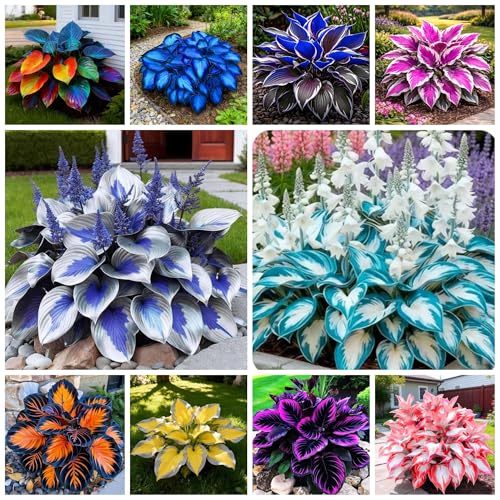
For a living plant with heart-shaped foliage, this hosta seed option is the closest match; it is not a lily and the flowers are not described as blue. The seed pack is presented as 365+ seeds, and hostas are perennial foliage plants suited to a garden with well-drained soil and partial shade. The growing guidance gives a 1–3 week germination window at 20°C. This suits gardeners willing to sow and raise plants rather than display cut flowers. Hostas can struggle in dry conditions, so the drought-tolerant wording should not replace a plan for watering during dry spells.
Bottom line: Choose this for a living perennial with heart-shaped leaves, not a blue lily bloom.
Blue Artificial Lily Heads, 20-Pack

These blue artificial lilies are loose flower heads rather than a rooted plant or a full stem arrangement. The 20 fabric heads measure 2.7 inches across and 1.5 inches high, and plastic nails are part of their construction. Use them for craft arrangements, garlands, or table decorations where a compact flower head is more useful than foliage and stems. They are also a straightforward alternative when you want flowers that do not wilt. The package does not provide a growing plant, and buyers who need a ready-to-place bouquet should choose a stemmed option instead.
Bottom line: Choose these for small craft projects that need blue flower heads without stems.
Light Blue Artificial Tiger Lilies, 6 Stems

These light blue artificial tiger lilies differ from the loose heads and calla-shaped blooms by supplying six full stems, each 15 inches long. Each stem has one open flower and two buds, with wire-reinforced stems and bendable leaves for arranging. That makes this set useful for a vase or a bouquet that needs visible stems and some bud detail. The flowers are artificial, so they do not grow or provide the changing foliage of a perennial. Choose another option if you specifically need calla lily shapes or a living plant with heart-shaped leaves.
Bottom line: Choose these when a flexible, stemmed tiger-lily look matters more than a live plant.
Blue Artificial Calla Lilies, 24-Pack
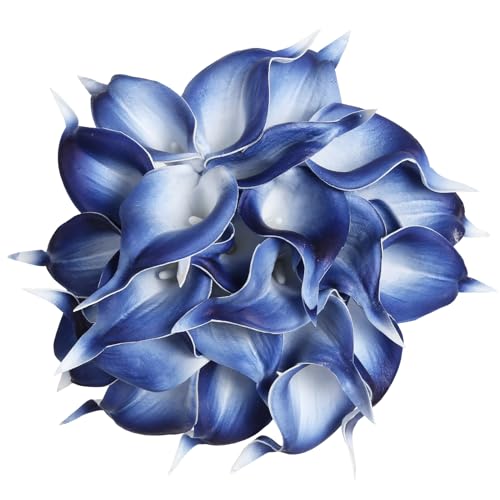
This calla lily set stands apart with 24 flowers and 14.2-inch total stem height, making it the largest stemmed grouping here. Each flower head is about 2 inches high and 2.8 inches wide, and the flowers are made from PU material. The stems suit a larger arrangement or event centerpiece where repeated matching blooms are useful. Despite the garden-oriented wording, these are artificial flowers rather than plants for outdoor growing; choose the hosta seeds for a living perennial. The calla form also differs from the tiger lily style, so match the flower shape to the arrangement you want.
Bottom line: Choose this for a coordinated display with many matching calla-shaped blooms.
Blue Lily of the Valley Crochet Flower

This blue lily-of-the-valley item is a handmade crochet decor piece, not a seedling or artificial silk flower. It includes a small pot and a positive affirmation card, and measures 6 inches long. Its compact, soft yarn construction suits a desk, shelf, or car interior where a small gift keepsake is preferable to a larger arrangement. It does not offer living foliage, scent, or a growing habit. The blue lily-of-the-valley design also differs from the hosta’s heart-shaped leaves and from the trumpet-like calla flowers, so select it for its crafted gift format.
Bottom line: Choose this for a compact handmade gift or desk decoration rather than a garden plant.
How to choose a blue heart lily plant
Start by deciding whether you need a living plant or a decorative flower: only a rooted or seeded plant can grow new foliage. Hosta leaves are often broad and heart-shaped, but hostas are not lilies; true lilies belong to the genus Lilium, while calla lilies are in the genus Zantedeschia. Blue flower color is also different from blue-green foliage, so confirm which feature matters most before choosing. For garden planting, favor hostas when the site has partial shade and well-drained soil; with a hot, sunny, dry site, choose a plant suited to those conditions instead. Artificial lilies and crochet flowers work for displays but cannot provide a living plant’s growth or seasonal changes.
Hosta light, soil, and spacing
Hostas generally grow best in partial shade, with many varieties tolerating morning sun better than strong afternoon sun. Well-drained soil matters because persistently waterlogged roots can rot, while dry soil can stress broad leaves. Space plants according to their mature width rather than the small size of a seedling; hosta varieties range from compact clumps under 1 foot wide to large plants several feet across. Seeds can also produce variable seedlings, so leaf color and shape may not match a named cultivar exactly. Keep the planting area free of competing weeds while young plants establish, and water during prolonged dry weather rather than assuming a hosta is drought-proof.
Live lilies and artificial flower forms
True lilies, calla lilies, and hostas are different plant groups, and the word “lily” alone does not guarantee a similar growing habit. True lilies typically grow from bulbs and produce upright stems; calla lilies grow from rhizomes or tubers and have a distinctive spathe around a central spadix. Hostas are grown primarily for foliage and usually prefer shade, unlike many flowering lilies that need more sun to bloom well. Artificial options bypass those growing needs but vary in format: loose heads work for crafts, while wired stems are easier to bend into a vase arrangement. Use this distinction to avoid buying decor when you intended to plant a perennial.
| Need | Suitable type | Key distinction |
|---|---|---|
| Heart-shaped garden foliage | Hosta | Living perennial, shade tolerant |
| Blue flower heads for crafts | Loose artificial lilies | No stems or growth |
| Vase or centerpiece arrangement | Stemmed artificial lilies | Ready-to-arrange stems |
| Small keepsake gift | Crochet flower | Soft, handmade decor |
Frequently Asked Questions
Are hostas and lilies the same plant?
No; hostas are foliage perennials in the genus Hosta, while true lilies belong to Lilium. Calla lilies are another group, Zantedeschia, so check the botanical type rather than relying on “lily” in a common name.
Can hostas grow in full sun?
Some hosta varieties tolerate more sun, but many do best with partial shade, especially in hot climates. Morning sun is generally less stressful than intense afternoon sun, and soil should remain evenly moist without becoming waterlogged.
How far apart should hostas be planted?
Space hostas based on mature width, which can range from under 1 foot for compact types to several feet for large cultivars. When seed variety is uncertain, leave extra room or plan to divide crowded clumps later.
Do hostas grow well from seed?
Hostas can be raised from seed, but seedlings may differ from named cultivars because many do not come true to type. Germination and establishment require suitable warmth, moisture, and time, so seed-grown plants are not an instant display.
Are blue calla lilies suitable for planting outdoors?
Artificial calla lilies are decor and cannot be planted as living plants. Real calla lilies grow from rhizomes or tubers, and outdoor suitability depends on climate; protect them from frost where the variety is not winter-hardy.