
Best Primer for Black Skin: 5 Formulas Compared

For most people seeking a primer for Black skin, e.l.f. Power Grip Matte Primer is the most versatile pick because it goes on clear and has a matte finish. Choose a pore-blurring option for texture or a hydrating formula for dry patches instead; primer choice is about finish and skin needs, not a single formula for every skin tone.
We earn a commission if you buy through links on this page. As an Amazon Associate I earn from qualifying purchases. Products are compared on manufacturer specifications, not hands-on testing.
- Best overall: e.l.f. Power Grip Matte Primer – Its clear, translucent gel has a matte finish and is described for dry, combination, and oily skin.
- Best for oily skin: Touch in Sol No Poreblem Primer – Its pore-focused formula is described as mattifying and oil-controlling.
- Best for dry patches: CARSLAN Black Magnet Moisturizing Primer – Its moisturizing primer formula is designed to blur dry patches and help makeup grip.
| Product | Best for | Finish | Size | Color | Shop |
|---|---|---|---|---|---|
| e.l.f. Power Grip Matte Primer | Matte everyday prep | Matte | 0.87 fl oz | Clear | Check Price on Amazon |
| Touch in Sol No Poreblem Primer | Pore blurring | Mattifying, blurring | 1.01 fl oz | Pink | Check Price on Amazon |
| Smashbox Photo Finish Smooth & Blur | Travel-size blurring | Smooth, blurring | 0.34 fl oz | Clear | Check Price on Amazon |
| CARSLAN Black Magnet Moisturizing Primer | Hydrating makeup grip | Hydrating, pore-blurring | 1.23 oz | Transparent | Check Price on Amazon |
| 3 In 1 SPF 50+ Color-Correcting Primer | Color correction | Color-correcting | 1.41 oz | Purple, peach, green | Check Price on Amazon |
Primers for Black Skin
Compare the formulas by finish and color so you can match your primer to your complexion routine.
e.l.f. Power Grip Matte Primer

For a clear matte base, this gel primer stands out from the pore-blurring and color-correcting options. The maker says it grips makeup, moisturizes, and gives a translucent finish; its formula is described for dry, combination, and oily skin. Its clear appearance avoids adding a primer tint that could affect how foundation looks on deeper skin. Pat it over the face before makeup, as directed by the maker. The matte finish may not suit someone who specifically wants a dewy look, and a primer cannot replace choosing a foundation shade that matches the wearer.
Bottom line: Choose this for a clear, matte-feeling base across different skin types.
Touch in Sol No Poreblem Primer

This is the pore-focused choice among the group, with a pink-tinted formula rather than a clear one. The maker says it helps minimize the appearance of pores and fine lines, hydrate skin, and control oil; the package size is 1.01 fl oz. It may suit someone who prioritizes a smoother-looking base and wants a mattifying effect. Because the formula is pink, check how its tint looks on your skin before wearing it under foundation, especially if you prefer a colorless base. It is a less direct pick for buyers seeking hydration without a pore-blurring focus.
Bottom line: Choose this if pore appearance and oil control matter more than a clear formula.
Smashbox Photo Finish Smooth & Blur
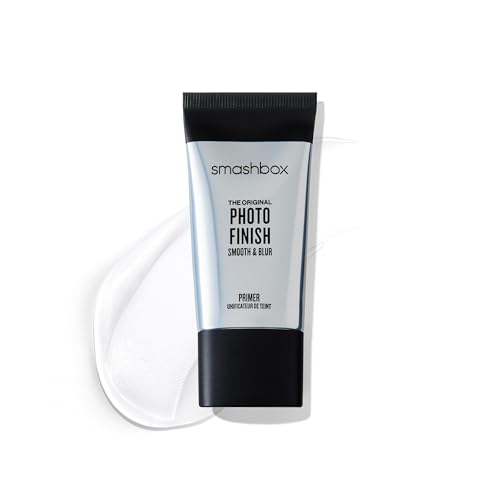
The clear, travel-size format distinguishes this primer from the full-size options. The maker says it blurs the appearance of pores and fine lines, helps makeup apply more evenly and last longer, and contains vitamins A and E. At 0.34 fl oz, it suits a compact makeup kit or someone who wants a smaller quantity. Its clear formula does not add a complexion tint. The trade-off is the smaller size, which may be inconvenient for frequent full-face use; choose a larger format if minimizing replenishment is more important than portability.
Bottom line: Choose this when portability and a clear blurring base are priorities.
CARSLAN Black Magnet Moisturizing Primer

This transparent primer focuses on hydration and makeup grip, setting it apart from the matte gel and tinted color-correcting option. The maker says its formula helps makeup adhere, blur pores and dry patches, replenish hydration, and absorb excess shine. That combination may suit skin that feels dry in some areas but gets shiny elsewhere. At 1.23 oz, it is the largest quantity among the products with an ounce measurement. The formula’s multiple aims may be unnecessary if you only want a simple matte finish or a color-correcting base.
Bottom line: Choose this for transparent prep aimed at both hydration and makeup grip.
3 In 1 SPF 50+ Color-Correcting Primer

This is the only option that combines multiple corrective tints with a labeled SPF, making it distinct from the clear and pink primers. The maker describes purple, peach, and green tones for the appearance of dull areas, uneven tone, and redness, and labels the product SPF 50+ and PA+++. It may appeal to someone who wants color correction as part of makeup prep. Those tints can show differently across complexions, so test a small area in natural light before applying it broadly. For dependable sun protection, use a separate sunscreen at its recommended amount rather than relying on a thin primer layer.
Bottom line: Choose this if you want multi-tone correction in a primer step and will apply sunscreen adequately.
How to choose a primer for Black skin
Choose a primer by the finish and makeup issue you want to address, not by skin tone alone. Clear formulas are the simplest starting point when you do not want a primer tint to alter your foundation shade; blurring formulas focus on the look of pores, while hydrating formulas may help makeup sit more smoothly over dry patches. Color correctors use contrasting hues: green is commonly used to visually offset redness, while peach or orange tones are often used for blue-purple discoloration. Tint strength and placement matter, so test a small area in daylight. If your foundation already wears evenly, skip extra primer rather than layering products by default.
When to use a color-correcting primer
Use a color-correcting primer only where its tint addresses a specific concern, rather than assuming every shade suits every complexion. Green corrector is typically applied sparingly over visible redness; peach or orange can help visually balance blue-purple tones, with deeper orange shades often better suited to deeper complexions. Purple is commonly used to brighten dull-looking areas, but too much can leave a visible cast. Apply a thin layer, blend its edges, and check the result in daylight before adding foundation. If the tint changes the overall complexion color or appears ashy, use less or choose a clear base instead. Color corrector changes appearance; it does not change the underlying skin tone.
Primer and sunscreen application order
Apply sunscreen before makeup primer, and allow the sunscreen layer to set before adding complexion products. A sunscreen’s labeled SPF is based on a standardized application amount of about 2 milligrams per square centimeter; a thin smear of SPF primer may not deliver the protection associated with its label. For a practical routine, use a dedicated broad-spectrum sunscreen as directed, then apply a small amount of primer where makeup needs help. Reapply sunscreen about every two hours during prolonged outdoor exposure, and after swimming or sweating according to its label. Do not rely on a makeup primer as the sole sunscreen layer unless you can apply and reapply it at the full recommended amount.
Primer mistakes that affect foundation
Too much primer can make foundation slide, pill, or look uneven, so begin with a thin layer and add only where needed. Another common mistake is pairing products with incompatible textures: a water-rich layer under a silicone-heavy base can pill when rubbed, though the result depends on the formulas and application. Pat rather than vigorously rub products together, and let each layer settle before the next. Avoid choosing a tinted primer solely by its color label; compare the blended result with your skin in natural light. If a base looks gray, overly pink, or noticeably lighter than your complexion, a clear formula may be a better starting point.
Frequently Asked Questions
Can primer leave a gray cast on deep skin?
Yes, a tinted or pale primer can look ashy if its color does not blend well with the complexion. Test a small amount in natural light before applying it across the face.
Should I use primer on dry patches?
A hydrating primer may help makeup look smoother over dry patches, but it will not replace moisturizer. Apply a thin layer and avoid rubbing once foundation is on top.
Does SPF 50 primer replace sunscreen?
Not reliably if you apply only a thin makeup layer. SPF testing uses about 2 milligrams per square centimeter, so use a dedicated sunscreen at its recommended amount and reapply during extended outdoor exposure.
How much face primer should I apply?
Start with a thin layer, roughly a pea-sized amount for the face, and add only where makeup needs help. More product can cause pilling or make foundation slip.
Can I wear primer without foundation?
Yes, a clear primer can be worn alone if you want its finish without foundation. A tinted primer may remain visible, so check the blended result in daylight.