
Best Shampoo for Sebum Buildup: 3 Picks Compared

LABO.H No Sebum Shampoo is the best match for most people focused on sebum buildup because it is made for oily scalps and sebum reduction. Choose a 3% salicylic acid option such as Neutrogena T/Sal 3% Salicylic Acid, 8 fl oz instead if flakes and buildup are also concerns; salicylic acid helps loosen scale, but can be drying.
We earn a commission if you buy through links on this page. As an Amazon Associate I earn from qualifying purchases. Products are compared on manufacturer specifications, not hands-on testing.
- Best overall: LABO.H No Sebum Shampoo – Its focus is oil control and sebum reduction for oily scalps.
- Best for flakes: Neutrogena T/Sal 3% Salicylic Acid, 8 fl oz – It combines 3% salicylic acid with a focus on scalp buildup and flakes.
- Best for a smaller bottle: Neutrogena T/Sal Shampoo, 4.5 fl oz – It has 3% salicylic acid in a 4.5-fluid-ounce size.
| Product | Best for | Size | Active ingredient | Primary focus | Shop |
|---|---|---|---|---|---|
| LABO.H No Sebum Shampoo | Oily scalp care | 13.5 fl oz | — | Oil and sebum control | Check Price on Amazon |
| Neutrogena T/Sal 3% Salicylic Acid, 8 fl oz | Flakes and buildup | 8 fl oz | 3% salicylic acid | Buildup and dandruff flakes | Check Price on Amazon |
| Neutrogena T/Sal Shampoo, 4.5 fl oz | Compact flake care | 4.5 fl oz | 3% salicylic acid | Buildup and dandruff flakes | Check Price on Amazon |
Shampoos for Sebum Buildup
Match the formula to whether excess oil alone or oil with flakes is your main concern.
LABO.H No Sebum Shampoo

Unlike the salicylic acid shampoos here, this formula is positioned around oily roots and sebum reduction. It comes in a 13.5-fluid-ounce bottle and includes rosemary and caffeine, according to its name. The maker says it reduces scalp surface temperature by 8.6°C and removes 81% of excess scalp oil after one use; those are performance claims, not guarantees for every scalp. Choose it when oiliness is the main concern rather than stubborn flakes. Its cooling-focused approach may be less relevant if the priority is a clearly specified exfoliating active ingredient.
Bottom line: Choose this if oil control is the main goal and a cooling scalp formula appeals to you.
Neutrogena T/Sal 3% Salicylic Acid, 8 fl oz
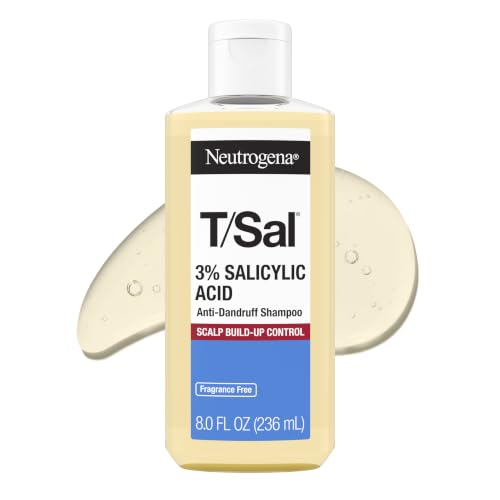
For shoppers who want an explicitly named active ingredient, this 8-fluid-ounce shampoo contains 3% salicylic acid. The formula is fragrance-free and intended to cleanse and exfoliate the scalp while helping clear flakes and buildup; the maker also positions it for dandruff, seborrheic dermatitis, and psoriasis symptoms. It is a useful fit when oil is accompanied by visible scale. Salicylic acid can dry or irritate some scalps, so it may not suit someone seeking only a routine oil-control wash without a flaking concern.
Bottom line: Pick this when scalp buildup and flakes matter as much as excess oil.
Neutrogena T/Sal Shampoo, 4.5 fl oz

This is the smaller-format alternative to Neutrogena T/Sal 3% Salicylic Acid, 8 fl oz, with 4.5 fluid ounces and the same 3% salicylic acid concentration. The maker says its formula targets stubborn flakes and scalp buildup, and it is free of added color, preservatives, and fragrance. That makes it a reasonable choice for someone who wants a compact bottle of a medicated-style scalp cleanser for buildup with flaking. Its main limitation is the smaller amount compared with Neutrogena T/Sal 3% Salicylic Acid, 8 fl oz, which matters if you want a larger bottle for regular use.
Bottom line: Choose this compact option if you want 3% salicylic acid for buildup and flakes.
How to Choose a Shampoo for Sebum Buildup
Choose by whether the scalp has oil alone or oil with flakes. A formula focused on sebum control targets greasy roots, while salicylic acid shampoos focus on loosening scale and buildup. For flaking alongside oil, a 3% salicylic acid formula is a more direct match; for oily roots without flakes, start with an oil-control-focused shampoo. Salicylic acid can dry the scalp, so avoid treating a dry, tight scalp as though it were simply oily. If you have persistent irritation or a diagnosed scalp condition, ask a clinician or pharmacist which active ingredient is appropriate.
| Main concern | Formula direction |
|---|---|
| Greasy roots, little visible scale | Oil-control focus |
| Oil plus flakes or scale | Salicylic acid focus |
What Salicylic Acid Does for Scalp Buildup
Salicylic acid is a scale-loosening ingredient used in some medicated shampoos for flaking and buildup. The 3% formulas here are positioned for scalp flakes as well as buildup, rather than oil control alone. Medicated shampoos often require scalp contact time before rinsing, but exact directions differ by product, so follow the package directions and avoid contact with eyes. Stop use and seek advice if irritation worsens. People with sensitive or very dry scalps should be cautious because exfoliating ingredients can add dryness; more frequent washing is not automatically better.
How Often to Wash an Oily Scalp
Many oily scalps need washing daily or every other day, while dry or textured hair may need less frequent shampooing to limit dryness. Sebum production, sweat, styling products, and hair texture all affect the interval. Start with a schedule that removes oil without leaving the scalp tight or irritated, then adjust gradually rather than adding several strong cleansers at once. When using a medicated shampoo, follow its label frequency rather than applying a general daily-wash rule. Rinse thoroughly so cleanser residue does not compound the feeling of buildup.
Common Mistakes When Treating Scalp Buildup
Scrubbing harder is not a reliable fix for buildup and can irritate the scalp. Massage shampoo gently with fingertips rather than fingernails, and rinse well; also avoid layering multiple exfoliating scalp products until you know how your skin responds. Another common mistake is treating every greasy scalp as dandruff: oil-control and flake-focused formulas address different priorities. If flakes persist despite following a medicated shampoo’s label, or if the scalp becomes painful or markedly inflamed, consult a healthcare professional rather than escalating use on your own.
Frequently Asked Questions
Can salicylic acid shampoo dry out the scalp?
Yes, salicylic acid can dry or irritate some scalps because it loosens scale. Use the product according to its package directions and stop if irritation worsens.
Should I shampoo oily hair every day?
Some oily scalps do well with daily or alternate-day washing, while dry or textured hair may need a longer interval. Adjust based on whether the scalp feels clean without becoming tight or irritated.
How long should shampoo stay on the scalp?
Contact time depends on the specific shampoo, especially for medicated formulas. Follow the package directions and rinse thoroughly rather than assuming every shampoo uses the same timing.
Can I use salicylic acid shampoo on color-treated hair?
Color-treated hair may respond differently to cleansing and exfoliating products. Check the package directions for your particular formula, and discontinue use if your scalp becomes irritated.