
Russian Bocking 14 Comfrey: 3 Root Options Compared

Bocking 14 Comfrey, 15 Root Cuttings is the clearest match for gardeners who want 15 root cuttings and purple spring flowers; Russian Bocking 14 is a perennial comfrey grown from roots. Choose Bocking 14 Comfrey Root Plugs if you prefer rooted starter plugs for a full-sun container or patio, or Bocking 14 Russian Comfrey, 6 Cuttings if six cuttings suit your planting plan.
Comfrey is vigorous once established, so choose a permanent location before planting; even sterile Bocking 14 can regrow from root fragments.
We earn a commission if you buy through links on this page. As an Amazon Associate I earn from qualifying purchases. Products are compared on manufacturer specifications, not hands-on testing.
- Best overall: Bocking 14 Comfrey, 15 Root Cuttings – Offers 15 root cuttings and purple spring flowers, making it the clearest fit for gardeners planting several starts.
- Best for rooted starters: Bocking 14 Comfrey Root Plugs – The product is presented as established root plugs and is intended for full sun.
- Best for six starts: Bocking 14 Russian Comfrey, 6 Cuttings – Provides six root cuttings for a smaller planting plan.
| Product | Best for | Root count | Plant form | Flower description | Shop |
|---|---|---|---|---|---|
| Bocking 14 Comfrey, 15 Root Cuttings | Multiple garden starts | 15 | Root cuttings | Purple, bell-shaped | Check Price on Amazon |
| Bocking 14 Comfrey Root Plugs | Rooted starter plugs | — | Established root plugs | — | Check Price on Amazon |
| Bocking 14 Russian Comfrey, 6 Cuttings | Six root cuttings | 6 | Root cuttings | Purple-blue listed | Check Price on Amazon |
Russian Bocking 14 comfrey roots compared
Compare the root form and growing details to choose a start that suits your garden plan.
Bocking 14 Comfrey, 15 Root Cuttings
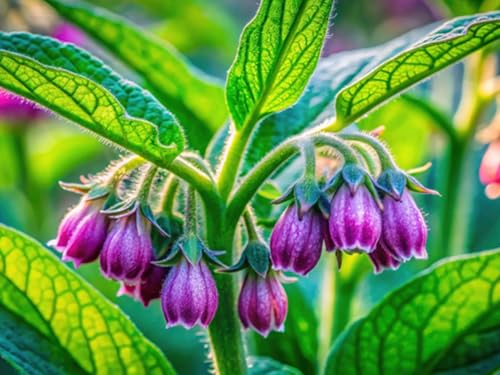
Bocking 14 Comfrey, 15 Root Cuttings is the only option here with a count of 15 root cuttings and a specific purple flower description. The product says the sterile perennial grows 3 to 4 feet tall and blooms in spring, so allow room for a substantial clump rather than treating it as a small border plant. Its flowers are presented as a garden and pollinator feature. Root cuttings suit gardeners prepared to establish plants from dormant root sections. The main limitation is that these are cuttings, not established foliage-bearing plugs, so they need time and suitable conditions to shoot.
Bottom line: Choose this if you want 15 root cuttings and purple spring flowers.
Bocking 14 Comfrey Root Plugs

Bocking 14 Comfrey Root Plugs differs from the other choices by being presented as fully rooted starter plugs rather than dormant cuttings. Its growing guidance calls for full sun and well-draining soil, and gives a cold-hardiness range of zones 5 through 9. The features also describe harvesting leaves several times in a season for chop-and-drop mulch or compost use. That makes this option relevant to gardeners seeking an established start for a productive planting. The pack count is inconsistent across its specifications, so confirm the number of roots before ordering; the form and planting guidance are the clearer distinctions.
Bottom line: Choose this if you want rooted plugs and can provide full sun.
Bocking 14 Russian Comfrey, 6 Cuttings

Bocking 14 Russian Comfrey, 6 Cuttings offers six dormant root cuttings and identifies the plant as Russian comfrey, making it a smaller-count option than Bocking 14 Comfrey, 15 Root Cuttings. Its features describe the mature plant as having large green leaves and bell-shaped flowers that may vary in color; the product name specifies purple-blue flowers. The cuttings are intended to produce new shoots when growing conditions are suitable, and the plant is described as perennial. This is a reasonable choice when six starts fit the space and planting plan. Unlike Bocking 14 Comfrey Root Plugs, it is not presented as an established plug, so expect to establish it from root sections.
Bottom line: Choose this if six Russian comfrey root cuttings fit your plan.
How to choose Russian Bocking 14 comfrey
Choose by planting form and the space you can dedicate, not by flower color alone. Root cuttings need to produce shoots, while rooted plugs already have an established root system; either form ultimately grows into a vigorous perennial. Bocking 14 is a sterile comfrey cultivar, but sterility does not mean a planted clump is easy to remove: root pieces can regrow. Reserve a permanent bed or a container for it rather than placing it where later digging or rotation is likely. If you want leaves for garden mulch, place the plant within easy reach of the crops or compost area you intend to use. If the location cannot be permanent, choose a container and make sure it has enough room for a substantial root system.
Where to plant comfrey roots
Give comfrey a spot with room for a large perennial clump; one supplied product describes mature plants reaching 3 to 4 feet tall. Full sun is the growing condition specified for Bocking 14 Comfrey Root Plugs, and well-draining soil is also recommended there. Avoid planting root cuttings in a bed where stray roots would be difficult to distinguish from desired plants. A practical decision rule is to keep comfrey out of narrow, frequently dug beds and place it where you can leave the root system undisturbed. Root fragments can produce new growth, so handle divided or leftover pieces carefully and do not add viable fragments to a compost pile unless the pile reliably heats enough to destroy them.
Root cuttings and rooted plugs compared
Root cuttings are dormant sections that must produce shoots; rooted plugs start with an established root system. The choice changes how much establishment work remains, not the basic need for a suitable permanent growing site. Use this comparison to match the starting form to your planting plan.
| Starting form | What to expect | Best fit |
|---|---|---|
| Root cuttings | New shoots develop from root sections | Gardeners starting several plants |
| Rooted plug | Established root system at planting | Gardeners who prefer a rooted start |
Plant cuttings with their orientation and depth guided by the supplier’s growing instructions, since the specifications do not give a planting depth. Keep the bed labeled until the plants are easy to identify; young comfrey leaves can be confused with other broadleaf seedlings.
Harvesting and handling comfrey
Comfrey leaves can be cut for mulch or compost, and Bocking 14 Comfrey Root Plugs says its plants can be harvested four to five times per season. Leave enough foliage for regrowth and avoid cutting newly established plants before they have developed strongly. Use gloves when handling the coarse leaves, and keep root pieces contained during division because fragments can resprout. Comfrey has a long history of medicinal use, but that is not a reason to consume it: comfrey contains pyrrolizidine alkaloids that can cause serious liver injury, particularly with oral use. Keep comfrey products away from food preparation and do not ingest the plant. Check local guidance before using any herb medicinally.
Frequently Asked Questions
How long does comfrey take to grow from root cuttings?
Comfrey root cuttings need to form shoots before they grow into full plants, so establishment takes longer than planting an already rooted plug. Warm growing conditions and consistently suitable soil support active growth; avoid disturbing the roots while shoots are developing.
Can Bocking 14 comfrey spread through roots?
Yes, root fragments can produce new growth even though Bocking 14 is a sterile cultivar. Keep discarded or divided root pieces out of garden beds and do not put viable fragments in a cool compost pile.
How much space should I leave around comfrey?
Allow room for a substantial perennial clump; one of these options describes mature plants at 3 to 4 feet tall. Keep it out of narrow beds that are regularly dug, since root fragments may regrow.
Can comfrey be used as food or tea?
No; do not eat comfrey or make it into tea. The plant contains pyrrolizidine alkaloids associated with serious liver injury, especially when taken by mouth.
How often can comfrey leaves be harvested?
One option says its plants can be harvested four to five times per season for mulch or compost use. Let an establishing plant build foliage before repeated cutting, and leave enough leaves for regrowth.