
Gaea Olive Oil: Greek Extra Virgin Options Compared

For most shoppers, GAEA Classic Greek EVOO, 3 L is the everyday Gaea olive oil choice because its 3-liter tin is positioned for cooking, dressing and dipping. Choose GAEA Organic Greek EVOO, 16.9 fl oz instead if USDA Organic certification and a smaller 16.9-fluid-ounce bottle matter more; Atlas Organic Moroccan EVOO, 1 L is a Moroccan alternative, not a Gaea oil.
We earn a commission if you buy through links on this page. As an Amazon Associate I earn from qualifying purchases. Products are compared on manufacturer specifications, not hands-on testing.
- Best overall: GAEA Classic Greek EVOO, 3 L – Its 3-liter tin and balanced flavor are suited to everyday cooking, dressing and dipping.
- Best for organic certification: GAEA Organic Greek EVOO, 16.9 fl oz – It is USDA Organic and Non-GMO Project Verified, in a 16.9-fluid-ounce size.
- Best for Moroccan origin: Atlas Organic Moroccan EVOO, 1 L – It offers an organic Moroccan extra virgin olive oil alternative in a 1-liter size.
| Product | Best for | Size | Origin | Certification | Shop |
|---|---|---|---|---|---|
| GAEA Classic Greek EVOO, 3 L | Everyday cooking | 3 L | Greece | Non-GMO; all-natural | Check Price on Amazon |
| GAEA Organic Greek EVOO, 16.9 fl oz | Organic certification | 16.9 fl oz | Greece | USDA Organic; Non-GMO Project Verified | Check Price on Amazon |
| Atlas Organic Moroccan EVOO, 1 L | Moroccan origin | 1 L | Morocco | Organic; high-polyphenol claim | Check Price on Amazon |
Gaea Olive Oil Options Compared
Compare the two Greek Gaea oils by container size and certification, with a Moroccan alternative for shoppers open to another origin.
GAEA Classic Greek EVOO, 3 L
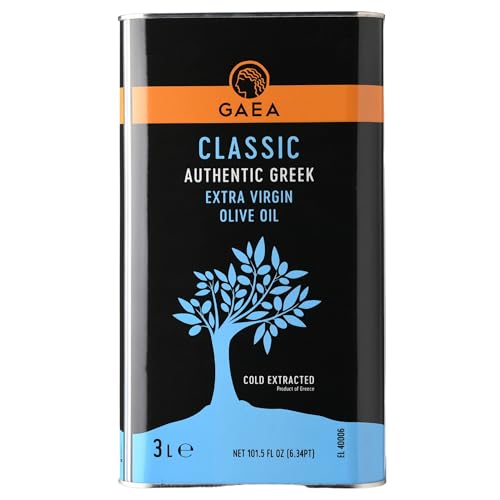
The large tin sets this Gaea oil apart from the smaller bottle option, making it the practical fit for a kitchen that uses olive oil regularly. GAEA describes its flavor as smooth and balanced for sautéing, roasting, salads and bread. The oil is made from Greek olives and cold extracted, and the metal container is intended to limit exposure to light and air. Choose it when volume and broad kitchen use matter more than organic certification. Its 3-liter format can be cumbersome for occasional users, who may prefer a smaller container.
Bottom line: Pick this for frequent cooking and a large-format Greek olive oil.
GAEA Organic Greek EVOO, 16.9 fl oz

Organic verification is the key distinction here: this Gaea bottle is USDA Organic and Non-GMO Project Verified, unlike the larger Classic tin. It is made in Greece with Koroneiki olives and cold extracted; the maker describes its flavor with green-fruit notes. At 16.9 fluid ounces, it suits someone who wants a smaller bottle for dressings, drizzling or light use rather than a large pantry supply. The main tradeoff is its limited capacity for households that cook with olive oil often. Choose it when certification and the specific olive variety matter more than volume.
Bottom line: Choose this when organic verification and a smaller Greek bottle are priorities.
Atlas Organic Moroccan EVOO, 1 L

Moroccan origin makes this an alternative rather than a Gaea option; it is the only product here from outside Greece. Atlas describes its oil as organic, cold pressed and high in polyphenols, with a smooth finish, and the container holds 1 liter. That size sits between the two Gaea formats, which may suit someone seeking a middle-volume option. The specifications do not identify a certifying body, so buyers who require a particular organic standard should confirm that before choosing it. Pick this only if a non-Greek oil is acceptable.
Bottom line: Pick this if you want a Moroccan alternative and do not require Gaea.
How to Choose Gaea Olive Oil
Choose by use frequency and certification first: a 3-liter tin suits regular cooking, while the 16.9-fluid-ounce bottle is a smaller option with USDA Organic and Non-GMO Project Verified credentials. Extra virgin olive oil is mechanically extracted oil that meets chemical and sensory criteria for the grade; cold extraction alone does not establish a particular flavor intensity or harvest freshness. For routine sautéing, roasting, dressing and dipping, the Classic specifications point to broad use, while the Organic option emphasizes Koroneiki variety and green-fruit notes. If olive oil is a daily cooking fat, the larger container can reduce how often you replenish; occasional users may prefer less oil open at once. Pick certification only when the named verification is important to your buying decision.
Olive Oil Storage and Freshness
Store olive oil tightly closed in a cool, dark cabinet; heat, light and oxygen accelerate oxidation and dull aroma. A common kitchen target is to use an opened bottle within about 1 to 3 months for best flavor, though the exact pace depends on storage temperature, container closure and how often it is opened. Keep oil away from the stove and avoid transferring it into clear containers left on a counter. A metal tin limits light exposure, but each pour still admits some air, so close the lid promptly. Buy a container size that your household can use while the oil still smells fresh and fruity rather than rancid or waxy.
Cooking With Extra Virgin Olive Oil
Extra virgin olive oil works for dressings, dipping, roasting and ordinary stovetop cooking; its smoke point commonly falls around 350 to 410°F, varying with freshness and free fatty acid content. A pan that smokes is too hot for comfortable cooking regardless of the oil label, so lower the heat rather than waiting for visible smoke. For deep frying or repeated high-heat use, choose an oil and method suited to the temperature and avoid reusing oil that smells stale or has darkened. Flavor also matters: a smooth, balanced oil can be versatile, while distinctive fruity notes may stand out more when drizzled over finished food. Do not treat a smoke point as a guarantee that oil remains unchanged at that temperature.
Greek and Moroccan Oils Compared
Origin and certification answer different questions: Greece or Morocco identifies where an oil comes from, while an organic certification addresses production requirements. Koroneiki is the olive variety named for the Organic Gaea option; the Classic Gaea product is identified as Greek without a named cultivar. Atlas is Moroccan, so it is an alternative only for shoppers willing to choose outside the Gaea brand and Greek origin. Use the comparison below to narrow by the feature that actually matters, rather than assuming that geography alone predicts strength or quality.
| Need | Choice | Deciding distinction |
|---|---|---|
| Large everyday supply | GAEA Classic | 3-liter tin for cooking and dressing |
| Organic verification | GAEA Organic | USDA Organic and Non-GMO Project Verified |
| Moroccan origin | Atlas Organic | 1-liter alternative from Morocco |
Frequently Asked Questions
How should extra virgin olive oil smell when fresh?
Fresh extra virgin olive oil usually has a clean, fruity aroma, sometimes with grassy or green notes. A stale, waxy or rancid smell is a reason to discard it rather than use it for dressing.
Can extra virgin olive oil be used for roasting?
Yes, extra virgin olive oil is commonly used for roasting; keep the oven temperature and oil below the point where the oil smokes. Smoke point varies, commonly around 350 to 410°F, with freshness and oil composition affecting it.
How long does opened olive oil stay fresh?
For best flavor, many cooks aim to use opened olive oil within about 1 to 3 months. Heat, light, oxygen and frequent opening can shorten that window, so store the container tightly closed in a dark, cool cupboard.
Does cold extracted mean an olive oil is organic?
No, cold extraction describes the extraction method, not organic certification. Look for a specific certification such as USDA Organic when that production standard is required.
Should olive oil be kept in the refrigerator?
A cool, dark cupboard is usually more practical than refrigeration for everyday olive oil. Refrigeration can make the oil cloudy or solidify it temporarily; warmth returns its liquid appearance, but repeated temperature changes are unnecessary.