
Batana Oil for Hair: Four Pure Oils Compared

For a larger raw batana oil mask, choose Dr. Sebi Honduras Batana Oil Paste, 4.05 oz: its 4.05-fluid-ounce size and paste format distinguish it from the smaller oil and the 4.1-ounce option. Batana oil is a conditioning oil used on hair and scalp, not a proven hair-growth treatment.
Choose VXHDAG Batana Oil, 2.02 oz if you want a smaller container, or Raw Organic Batana Oil, 4.23 oz if its 4.23-fluid-ounce size best suits your routine; choose a blended oil instead only if you specifically want added oils and ingredients.
We earn a commission if you buy through links on this page. As an Amazon Associate I earn from qualifying purchases. Products are compared on manufacturer specifications, not hands-on testing.
- Best overall: Dr. Sebi Honduras Batana Oil Paste, 4.05 oz – A 4.05-fluid-ounce paste format suits a larger raw-oil mask routine.
- Best for a smaller amount: VXHDAG Batana Oil, 2.02 oz – The 2.02-fluid-ounce size is the smallest among the pure batana oils.
- Best for a larger container: Raw Organic Batana Oil, 4.23 oz – Its 4.23-fluid-ounce size is the largest among the pure batana oils.
| Product | Best for | Volume | Color | Format | Shop |
|---|---|---|---|---|---|
| Dr. Sebi Honduras Batana Oil Paste, 4.05 oz | Raw oil masks | 4.05 fl oz | Brown | Paste | Check Price on Amazon |
| VXHDAG Batana Oil, 2.02 oz | Smaller container | 2.02 fl oz | Yellow | Oil | Check Price on Amazon |
| Lebanta Raw Batana Oil, 4.1 oz | Cold-pressed mask | 4.1 fl oz | Brown | Oil | Check Price on Amazon |
| Raw Organic Batana Oil, 4.23 oz | Largest container | 4.23 fl oz | — | Oil | Check Price on Amazon |
Batana Oil for Hair
Compare the pure oils by container size and the format or color that may shape how you use them.
Dr. Sebi Honduras Batana Oil Paste, 4.05 oz
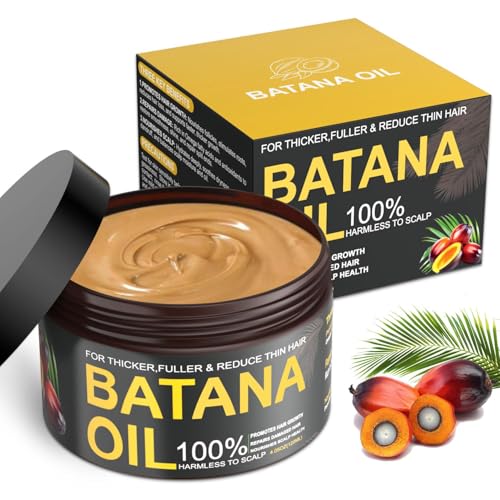
Dr. Sebi Honduras Batana Oil Paste, 4.05 oz stands out for its paste format and 4.05-fluid-ounce container. The product is presented as cold-extracted from Honduras and suitable for all hair types; the maker says it helps moisturize dry hair and improve its appearance. A paste can be less convenient than a pourable oil when you want to dispense just a few drops, so it suits people planning a mask-style application better than those seeking a lightweight finishing oil. Apply a small amount first, especially if your hair is fine or easily weighed down.
Bottom line: Pick this if you want a larger paste for mask-style conditioning.
VXHDAG Batana Oil, 2.02 oz

VXHDAG Batana Oil, 2.02 oz is the smallest of these pure batana oils at 2.02 fluid ounces, making it a practical option if you prefer a compact container. The product is yellow and described as pure and natural batana oil from Honduras. The maker says it moisturizes dry scalp and helps hair look shinier. Its smaller volume means less product on hand for frequent, generous mask applications than the larger containers offer. Start with a little on the lengths or scalp, since oils can leave fine hair looking flat when overapplied.
Bottom line: Choose this if you want the smallest pure-oil container.
Lebanta Raw Batana Oil, 4.1 oz

Lebanta Raw Batana Oil, 4.1 oz combines a 4.1-fluid-ounce size with a brown, raw batana oil format. Its product wording emphasizes traditional cold pressing and use as a scalp and hair mask. The maker says it helps hair appear softer and shinier and improves the look of dryness and frizz. Unlike a paste, an oil format may be easier to spread in small amounts, though the specifications do not establish whether it has a dropper or another dispenser. This suits buyers who want a sizable oil for conditioning; avoid saturating the roots if your hair gets greasy quickly.
Bottom line: Pick this if you want a cold-pressed oil for mask use.
Raw Organic Batana Oil, 4.23 oz

Raw Organic Batana Oil, 4.23 oz has the largest container here at 4.23 fluid ounces and is described as raw, organic, unrefined, and cold-pressed. The maker says it conditions dry, brittle hair and supports a thicker-looking appearance. Those are cosmetic claims, not evidence that topical batana oil regrows hair or prevents hair loss. Its larger size may suit someone who regularly uses oil as a mask, but it can be more than needed for occasional use. Use a small amount and keep oil off surfaces where a spill could make them slippery.
Bottom line: Choose this if container size is your priority.
How to choose batana oil for hair
Choose batana oil based on your routine and hair texture, not on promises of new growth. Oils mainly condition by coating strands and reducing friction; they do not reliably change the follicle cycle or restore lost hair. For a mask, select a container size you can use consistently, then begin with a small amount and add only if your lengths still feel dry. Fine or low-density hair often looks weighed down by heavy oil, so apply less and keep most of it on the mid-lengths and ends. Coarse, curly, or very dry lengths may tolerate a more generous pre-wash treatment. If hair loss is sudden, patchy, or persistent, seek medical advice rather than relying on a cosmetic oil.
Using batana oil on hair and scalp
Start with a small amount, spread it between your palms, and work it through dry lengths or use it as a pre-wash mask. A 20- to 30-minute conditioning window is a common starting point for an oil mask; longer wear is not necessary for basic softening. Scalp application is optional, and oily or acne-prone skin may be more comfortable keeping oil on the hair lengths instead. Patch-test a new product on a small area of skin and wait 24 hours before broader use, stopping if irritation develops. Oils can make floors, pillowcases, and hands slippery, so protect fabric and wash hands after application.
Pure batana oil and blended hair oils
Pure batana oil offers a single main oil, while a blend combines it with other ingredients and may feel or spread differently. This distinction matters if you want to avoid particular oils or botanicals, or prefer a simpler formula. A blended product in this group combines batana with jojoba, castor, sunflower, rosemary, peppermint, and biotin; those additions make it a different choice from the four pure oils. Read ingredient labels for sensitivities, especially with aromatic oils. The four pure products vary in container volume from 2.02 to 4.23 fluid ounces, so container size—not a promise of hair growth—is a useful point of comparison.
Common mistakes with hair oils
The most common mistake is using too much: excess oil can make hair limp and require more shampoo to remove. Start with a pea-sized amount for a small section, or a few drops for a light application, then adjust to hair length and thickness. Do not assume a botanical oil will regrow hair; evidence for cosmetic conditioning does not establish treatment for hair loss. Avoid applying oil immediately before high-heat styling unless the product specifically says it is a heat protectant; oil alone is not a substitute for a tested thermal protectant. Keep the container closed and follow its label for storage, since heat and light can affect many oils.
Frequently Asked Questions
Can batana oil make hair grow faster?
Batana oil is not established as a treatment that makes hair grow faster. Oils can condition the hair shaft and improve the feel or appearance of dry lengths, but they do not reliably alter follicle growth.
How long should batana oil stay in hair?
A 20- to 30-minute pre-wash mask is a reasonable starting point for conditioning. Longer wear is not required for basic softness, and scalp comfort should guide whether you use it there at all.
Should batana oil go on wet or dry hair?
Apply a small amount to dry hair for a pre-wash mask or to damp lengths to help distribute it. Fine hair may need only a few drops, while longer or coarser hair can take more.
Can I use batana oil on my scalp?
You can apply a small amount to the scalp if your skin tolerates it, but scalp use is optional. Patch-test for 24 hours first, and stop if redness, itching, or irritation appears.
Does batana oil need to be washed out?
A mask-style application is commonly washed out with shampoo, especially if hair feels coated or greasy. Start with a small amount so removal does not require repeated harsh scrubbing.