
High-Temp Flue Tape: 5 Rolls Compared for Duct Sealing

3M High-Temperature Flue Tape, 15 ft is the closest match for heating-duct seams because it is 1.5 inches wide and rated to 600°F. The term “flue tape” can be misleading: choose another kind of product if you need to seal a combustion-appliance exhaust flue, since tape is not a substitute for an approved vent joint.
Choose among these rolls by matching the tape’s heat rating and width to the surface and joint; the other options are aluminum foil tapes, not named flue tape products.
We earn a commission if you buy through links on this page. As an Amazon Associate I earn from qualifying purchases. Products are compared on manufacturer specifications, not hands-on testing.
- Best overall: 3M High-Temperature Flue Tape, 15 ft – The 1.5-inch roll is rated to 600°F and is specifically described for hot-air duct seams.
- Best for multiple seams: 3M High-Temperature Flue Tape, 2-Pack – The same 1.5-inch width and 600°F rating come in a two-roll pack.
- Best for wider coverage: Impresa Aluminum Foil Tape, 30 ft – Its 1.5-inch-wide, 30-foot roll is rated to 600°F.
| Product | Best for | Width | Roll length | Shop |
|---|---|---|---|---|
| 3M High-Temperature Flue Tape, 15 ft | Hot-air duct seams | 1.5 in | 15 ft | Check Price on Amazon |
| 3M High-Temperature Flue Tape, 2-Pack | Several duct seams | 1.5 in | 15 ft each | Check Price on Amazon |
| Impresa Aluminum Foil Tape, 30 ft | Longer duct seams | 1.5 in | 30 ft | Check Price on Amazon |
| ETERART Aluminum Foil Duct Tape, 2 in | Wider HVAC seams | 2 in | 60 ft | Check Price on Amazon |
| BOMEI PACK Aluminum Foil Tape, 3 in | Wide repair patches | 3 in | 90 ft | Check Price on Amazon |
High-Temp Flue Tape and Foil Tape
Compare the intended use, roll size and temperature rating before choosing tape for a duct seam or repair.
3M High-Temperature Flue Tape, 15 ft

3M High-Temperature Flue Tape, 15 ft is the direct fit for hot-air duct seams among these options: the maker describes it as flue tape and gives a heat rating of 600°F. The silver roll measures 1.5 inches wide by 15 feet long, a manageable size for a small number of seams. It suits buyers who want the named 3M product in a single roll. Its narrower format may mean more passes than a wider tape on broad seams, and its heat rating does not make it a replacement for approved combustion-vent components.
Bottom line: Choose it for hot-air duct seams when one 15-foot roll is enough.
3M High-Temperature Flue Tape, 2-Pack

3M High-Temperature Flue Tape, 2-Pack provides the same 1.5-inch width and 600°F rating as the single-roll option, but the pack contains two 15-foot rolls. That makes it a practical fit when a job calls for separate rolls or more total tape without changing to a wider format. The maker describes it for stopping leaks from hot-air ducts. The individual rolls remain 15 feet long, so this pack is less convenient than one continuous longer roll for a long seam; do not use the temperature rating to infer suitability for a combustion exhaust vent.
Bottom line: Pick it when you want two separate rolls for multiple duct-sealing tasks.
Impresa Aluminum Foil Tape, 30 ft
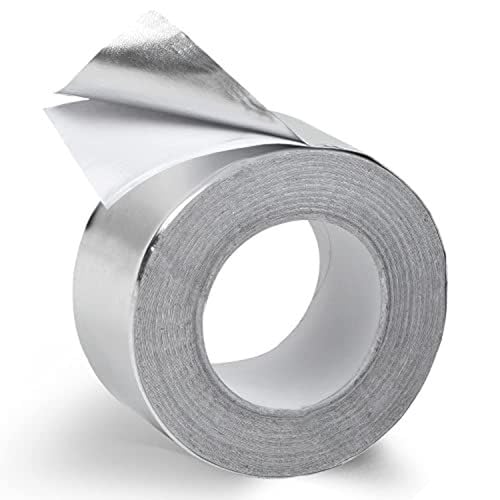
Impresa Aluminum Foil Tape, 30 ft is an aluminum foil tape rather than a product named flue tape, but it shares a 600°F rating and 1.5-inch width with the 3M options. Its 30-foot roll gives more continuous tape than either 3M roll, which can suit longer duct seams. The maker also claims waterproof use and an acrylic adhesive, but the measurements do not give thickness. That missing thickness may matter when matching tape to an uneven surface; confirm whether the tape is approved for the particular duct application before relying on it.
Bottom line: Choose it for longer seams if aluminum foil tape fits the job.
ETERART Aluminum Foil Duct Tape, 2 in

ETERART Aluminum Foil Duct Tape, 2 in is a wider HVAC foil tape, with a 2-inch width and a 20-yard roll (60 feet). The maker describes it for ducts, dryer vents and insulation, making it a broader-use alternative to the specifically named flue tape options. The tape’s width may help cover a wider seam in fewer passes.
Bottom line: Consider it for wider HVAC seams only when its heat rating is confirmed for the job.
BOMEI PACK Aluminum Foil Tape, 3 in

BOMEI PACK Aluminum Foil Tape, 3 in stands out for its 3-inch width and 30-yard roll (90 feet), substantially wider and longer than the 3M rolls. The maker describes a conformable backing for smooth and irregular surfaces and use for HVAC, insulation and metal repair. That broad format may suit a wide patch, but the maker gives no numerical temperature rating. Do not assume the phrase “high-temperature” establishes a safe limit for a heated duct; verify the tape’s rating and suitability for the exact material and temperature.
Bottom line: Pick it for wide patches when the verified heat rating meets the application.
How to Choose High-Temp Flue Tape
Choose tape by the surface, joint type and maximum temperature, not by “high-temp” in the name alone. For duct seams, check whether the tape is approved for the specific duct material and application; UL 181A-P and UL 181B-FX are common designations for pressure-sensitive tapes used on certain rigid and flexible air ducts, respectively. Match width to the seam: a 1.5-inch strip covers less area per pass than 2- or 3-inch tape. For a job that must tolerate heat, use a maximum rating at least as high as the expected surface temperature, with allowance for the manufacturer’s application limits.
Flue Tape Versus Combustion-Vent Sealing
“Flue tape” can refer to tape marketed for hot-air duct seams, but it does not mean the tape is approved to seal a combustion-appliance flue. Exhaust vents carry hot gases, and a failed joint can release carbon monoxide; use the vent system’s connector and approved joint method instead of tape. Heating and cooling air ducts are a different system and use materials approved for that duct type. Never infer vent suitability from a 600°F rating alone: temperature resistance is not the same as approval for flue gas, pressure, fire exposure or a particular vent material. If a combustion vent joint is loose, corroded or leaking, stop using the appliance and arrange qualified repair.
How Width and Roll Length Affect Coverage
Width determines how much surface one pass can cover, while roll length determines how much seam a roll can address. As a rough geometric estimate, a 1.5-inch-wide 15-foot roll covers 1.875 square feet before overlap, trimming or wrinkles; actual usable coverage is lower. A 2-inch by 20-yard roll covers about 6.7 square feet by the same calculation, and a 3-inch by 30-yard roll about 22.5 square feet. Measure seam length and allow extra for corners and overlaps rather than buying by roll dimensions alone. Wider tape can bridge a wider seam, but it cannot compensate for dirty, loose or incompatible surfaces; clean and dry the substrate before application.
| Job need | Useful selection rule |
|---|---|
| Narrow duct seam | Choose a width that fully covers the seam with a margin on both sides. |
| Long run of seams | Calculate seam length and add material for corners, overlaps and cuts. |
| Heated surface | Require a numerical heat rating that exceeds the measured or expected surface temperature. |
| Combustion vent | Use an approved vent joint system, not general-purpose foil tape. |
Applying Foil Tape to Duct Seams
Foil tape bonds best to a clean, dry, sound surface; dust, oil, condensation and loose insulation can undermine adhesion. Remove loose debris, dry the metal, and press the tape firmly across the joint so there are no channels or lifted edges. A smooth roller or firm hand pressure helps seat the adhesive, especially around corners and overlaps. Avoid stretching tape while applying it, since tension can pull edges back later. Do not bridge a moving joint, cover a service opening or use ordinary foil tape to repair a damaged duct or flue. A tape patch is for an appropriate seam, not a replacement for structural repair or an approved vent connection.
Frequently Asked Questions
Can high-temp tape seal a furnace exhaust flue?
No; use the appliance’s approved vent components and joint method, not general foil tape. A failed combustion vent can release carbon monoxide, and a heat rating by itself does not establish vent approval.
What does UL 181 tape marking mean?
UL 181A-P and UL 181B-FX are common designations for pressure-sensitive tapes used with certain rigid and flexible air ducts. Confirm the designation and duct compatibility required for the specific installation rather than assuming all aluminum tape qualifies.
How much tape do I need for duct seams?
Measure the total seam length, then add extra for corners, cuts and overlap. A 1.5-inch by 15-foot roll has a theoretical face area of about 1.9 square feet before those losses.
Should foil tape go on a dusty duct?
No; apply it to a clean, dry, sound surface so the adhesive can make contact. Remove loose dust and grease and dry condensation before sealing the seam.
Is a 600°F rating enough for every hot pipe?
No; the rating alone does not establish that tape is approved for a given pipe or application. Compare the expected surface temperature with the tape’s rating and verify the material and use are allowed.