
Best E Collar for Large Dogs 2024: Top Picks Compared

For most large dogs, DJXIK 2024 Upgrade Training Collar is the strongest fit because it accommodates dogs up to 130 pounds and offers a 3/4-mile range. Choose Educator ET-300 Mini instead if you prioritize many adjustable stimulation levels, or 4200FT IPX8 Training Collar if a smaller receiver matters more than the longest range.
An e-collar is a remote training collar that communicates through selectable cues; match the receiver to your dog’s neck and use only the least intrusive cue that gets a response.
We earn a commission if you buy through links on this page. As an Amazon Associate I earn from qualifying purchases. Products are compared on manufacturer specifications, not hands-on testing.
- Best overall: DJXIK 2024 Upgrade Training Collar – Its weight range reaches 130 pounds and its remote range is 3/4 mile.
- Best for fine adjustment: Educator ET-300 Mini – It offers 100 blunt stimulation levels and fits necks from 10 to 26 inches.
- Best for a smaller receiver: 4200FT IPX8 Training Collar – The receiver is 30% smaller and the collar is rated IPX8 waterproof.
| Product | Best for | Dog weight | Remote range | Training modes | Shop |
|---|---|---|---|---|---|
| DJXIK 2024 Upgrade Training Collar | long-range training | 15–130 lb | 3/4 mile | — | Check Price on Amazon |
| Educator ET-300 Mini | fine-level control | 15+ lb | 1/2 mile | Tone, vibration, stimulation | Check Price on Amazon |
| 4200FT IPX8 Training Collar | compact receiver | 10–120 lb | 4,200 ft | Beep, vibration, shock, emergency | Check Price on Amazon |
E Collars for Large Dogs
Compare fit, stated range, and available cues before choosing a remote collar for your dog.
DJXIK 2024 Upgrade Training Collar
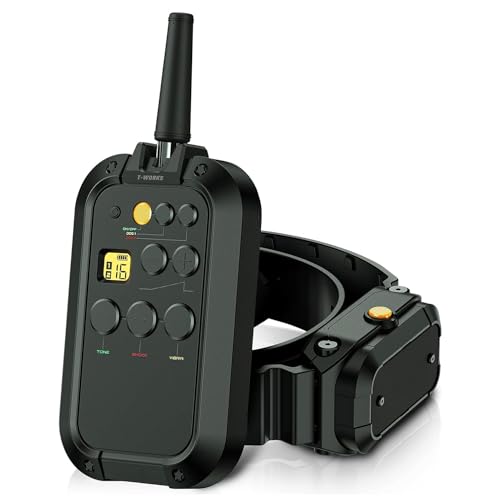
DJXIK 2024 Upgrade Training Collar has the highest weight ceiling in this group, making it a fit for larger dogs up to 130 pounds. The remote reaches up to 3/4 mile, and its pocket clip frees a hand during training. The maker says the waterproof collar can operate in varied conditions and that a full charge can last 11 days. The maker does not establish its cue types or adjustment levels, so buyers who need finely graduated settings should favor a model with those controls identified.
Bottom line: Choose it for a large dog when the 130-pound ceiling and long range are decisive.
Educator ET-300 Mini
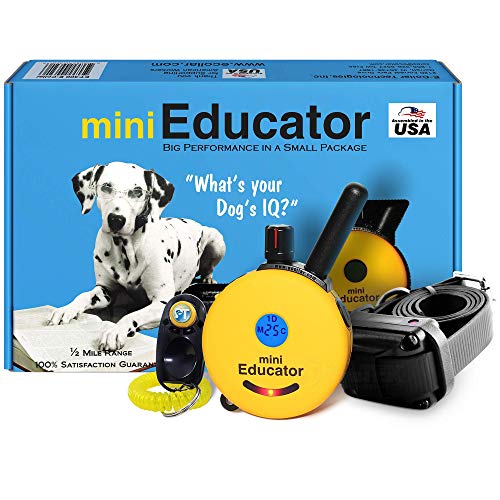
Educator ET-300 Mini stands apart with 100 adjustable stimulation levels, plus tone or vibration, giving handlers more increments to explore than the other options identify. Its fit is specified for dogs 15 pounds and up with necks from 10 to 26 inches, and the remote range is 1/2 mile. A night light supports visibility while locating a dog, and the maker offers support for defective equipment.
Bottom line: Pick it when precise level adjustment and a defined neck range matter most.
4200FT IPX8 Training Collar

4200FT IPX8 Training Collar is the compact-receiver choice: its maker says the receiver is 30% smaller and lighter than a typical design, and the collar is rated IPX8 waterproof. It covers dogs from 10 to 120 pounds and offers beep, vibration, shock, and emergency modes; vibration has 1–9 levels and shock has 1–99. Its 4,200-foot stated range is shorter than the other two models’ maximum ranges, which matters if training across open distances is a priority.
Bottom line: Choose it for a dog under 120 pounds when a smaller receiver is the priority.
How to choose an e collar for a large dog
Start with neck fit and weight limits, then compare range and cue controls. A collar that fits a dog’s weight may still sit poorly if the receiver is too wide or the strap is loose; measure the neck where the collar will rest and check that the contacts sit against skin without pinching. For routine work in a yard or park, a range of a few thousand feet is generally ample; choose a half-mile or longer specification when terrain or distance regularly demands it. Select a model with distinct tone or vibration options if you want a cue before any stimulation. Use a collar only as part of reward-based training, not as a substitute for supervision or basic leash control.
Fit and safe use for large dogs
Large dogs do not need higher stimulation simply because they weigh more; coat thickness, sensitivity, and training context affect the response. Begin with the lowest setting, pair the cue with a known command, and stop if the dog shows distress. A collar should be snug enough to maintain contact but not tight enough to restrict breathing or movement. Remove it regularly and inspect the skin; prolonged pressure and moisture can irritate skin, especially under a receiver. Never leave an electronic collar on continuously, and do not use it on a dog with a neck injury or skin problem without veterinary guidance. Keep hands clear of the contact points while adjusting the collar.
Range and training modes compared
Remote range is a maximum under favorable conditions, not a guarantee through buildings, dense vegetation, or radio interference. Choose by the longest distance you actually need, with margin for obstacles. The table separates distance from the modes each maker identifies; unspecified modes are not a reason to assume a particular cue is available.
| Training need | Useful feature | Decision rule |
|---|---|---|
| Open-field recall | Longer stated remote range | Prioritize 1/2 mile or more for recurring long-distance work |
| Gradual cue adjustment | Many selectable levels | Choose a model with clearly identified adjustment steps |
| Wet conditions | Water-resistance rating | Check the rating and whether it applies to the receiver and remote |
Common e-collar buying mistakes
The most common mistake is choosing by advertised maximum range while overlooking fit and control layout. A dog’s neck measurement should determine fit, and the handler should be able to identify the desired button without looking down. A second mistake is assuming that all waterproof ratings cover both the receiver and handheld remote; verify which component carries the rating before exposing equipment to water. Also avoid using stimulation to address fear or aggression without qualified professional help. For a dog that pulls, reliable leash skills and appropriate harness fit are more direct starting points than remote corrections.
Frequently Asked Questions
How snug should an e-collar fit on a large dog?
The strap should hold the receiver in steady contact without restricting breathing or neck movement. Check the fit during wear and inspect the skin regularly, since pressure and moisture can cause irritation.
Does a longer e-collar range work through trees?
Not necessarily; the advertised maximum assumes favorable conditions, and vegetation, buildings, and radio interference can reduce signal distance. For wooded training, choose more range than the clear-space distance you need.
Should I use stimulation on the highest setting?
No; start at the lowest setting and increase only if needed to find a noticeable but calm response. Stop if the dog shows distress, and use reward-based training alongside cues.
Can a dog wear an e-collar all day?
No; continuous wear can create pressure irritation beneath the receiver. Remove it regularly, check the skin, and avoid leaving it on when the dog is unsupervised.
Are waterproof collars safe for swimming?
A waterproof rating does not automatically mean every component is suitable for swimming or submersion. Confirm which pieces are covered by the rating before using the system around water.