
Best Store Bought Stir Fry Sauce for Different Uses

Kikkoman Stir-Fry Sauce, 12.1 oz suits most cooks because its soy sauce, sesame oil, garlic, oyster sauce, and seasonings make it an all-purpose choice for meats, seafood, and vegetables.
Choose La Choy Teriyaki Stir Fry Sauce, 14.5 oz instead if you want a teriyaki sauce that also works as a marinade, or Best of Thailand Stir Fry Sauce, 2-Pack if you prefer a two-bottle set for cooking and dipping.
We earn a commission if you buy through links on this page. As an Amazon Associate I earn from qualifying purchases. Products are compared on manufacturer specifications, not hands-on testing.
- Best overall: Kikkoman Stir-Fry Sauce, 12.1 oz – Its soy, sesame, garlic, and oyster sauce blend is intended for meats, seafood, and vegetables.
- Best for teriyaki marinades: La Choy Teriyaki Stir Fry Sauce, 14.5 oz – The teriyaki sauce is made for stir-fries and marinating chicken, beef, pork, and more.
- Best for a two-bottle set: Best of Thailand Stir Fry Sauce, 2-Pack – The pack includes two 23.65-ounce bottles and the sauce is pitched for cooking and dipping.
| Product | Best for | Bottle size | Pack count | Stated uses | Shop |
|---|---|---|---|---|---|
| Kikkoman Stir-Fry Sauce, 12.1 oz | All-purpose cooking | 12.1 oz | 1 | Meat, seafood, vegetables | Check Price on Amazon |
| La Choy Teriyaki Stir Fry Sauce, 14.5 oz | Teriyaki marinades | 14.5 oz | 1 | Stir-fries, marinades, fried rice | Check Price on Amazon |
| Best of Thailand Stir Fry Sauce, 2-Pack | Cooking and dipping | 23.65 oz each | 2 | Stir-fries, dips, dressing | Check Price on Amazon |
| 365 Organic Stir-Fry Cooking Sauce, 9.5 oz | Small-bottle option | 9.5 oz | 1 | Stir-fry cooking | Check Price on Amazon |
Store Bought Stir Fry Sauce Compared
Choose by the flavor profile and the other ways you plan to use the sauce.
Kikkoman Stir-Fry Sauce, 12.1 oz

For cooks who want one sauce across several stir fry ingredients, this Kikkoman blend combines soy sauce, sesame oil, garlic, oyster sauce, and Asian seasonings. The 12.1-ounce bottle is intended for meats, seafood, and vegetables, and the directions are simple: pour and stir. Its oyster sauce component is a meaningful difference from a basic soy-forward sauce, so it may not suit diners avoiding oyster ingredients. The specifications do not establish a gluten-free claim, so anyone who needs gluten avoidance should verify the label before choosing it.
Bottom line: Choose this if you want a ready-to-pour sauce for mixed meat, seafood, and vegetable stir-fries.
La Choy Teriyaki Stir Fry Sauce, 14.5 oz
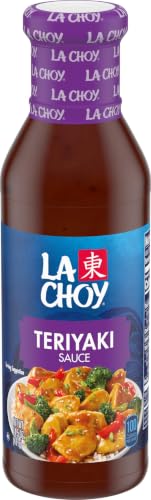
Unlike the all-purpose soy-and-oyster blend, this La Choy bottle is specifically teriyaki and doubles as a marinade. It comes in a 14.5-ounce bottle and the maker presents it for stir-fries, fried rice, egg rolls, broccoli beef, and marinating chicken, beef, or pork. The maker also says it has no artificial flavors, preservatives, or colors, and calls it gluten-free. The limitation is flavor direction: cooks seeking a more neutral savory sauce rather than a teriyaki profile may prefer a different style.
Bottom line: Pick this when teriyaki flavor and a marinade use are both useful.
Best of Thailand Stir Fry Sauce, 2-Pack

This is the only option here sold as a two-bottle set, with two 23.65-ounce squeeze bottles and a sweet, tangy, umami flavor profile. The maker says the recipe uses soybeans, garlic, ginger, rice vinegar, and sugar, and describes uses across meat, fish, vegetables, noodles, and rice; it also suggests dipping, dressing, and glazing. Kosher certification and an MSG-free claim are maker claims. The larger paired quantity is less convenient for someone who wants to try a single small bottle before committing to a flavor.
Bottom line: Choose the paired bottles if you want a sauce that can cover cooking and dipping.
365 Organic Stir-Fry Cooking Sauce, 9.5 oz

The 365 bottle is the smallest single-container option here at 9.5 fluid ounces, which may suit cooks who want less sauce on hand than the 12.1- to 14.5-ounce bottles or the two-bottle set. Its name identifies it as an organic stir fry cooking sauce. The maker’s food standards exclude hydrogenated fats, high-fructose corn syrup, bleached or bromated flour, and synthetic nitrates or nitrites. The specifications do not give a flavor profile or specific pairings, so buyers choosing by flavor should compare the bottle label before purchasing.
Bottom line: Pick this if a smaller single bottle and organic positioning are your priorities.
How to choose a store bought stir fry sauce
Start with the job the sauce needs to do: an all-purpose cooking sauce can coat vegetables and proteins, while a teriyaki sauce is also suited to marinating. Many stir-fries cook quickly over high heat, so have the vegetables cut and protein ready before adding sauce; sugary sauces can darken quickly against a hot pan. Add a modest amount near the end, toss to coat, then adjust rather than flooding the pan. For a meal serving four, start with a few tablespoons and add more to taste; the right amount depends on ingredient volume and how saucy you want the result. If you need a dietary restriction, verify the specific bottle label rather than inferring it from a sauce style.
Stir fry sauce styles and uses
Teriyaki typically brings a sweet-savory profile and works as a marinade as well as a finishing sauce; an all-purpose stir fry blend is designed for direct use with a wider range of ingredients. Sauce flavor and thickness vary by recipe, so add sauce in stages to avoid overpowering delicate vegetables or seafood. For a marinade, keep raw meat separate from ready-to-eat food and discard marinade that touched raw meat unless it is boiled first. The table compares the use cases stated for these options rather than treating every sauce as interchangeable.
| Need | Suitable style | Practical choice |
|---|---|---|
| One sauce for varied ingredients | All-purpose stir fry blend | Use with meat, seafood, or vegetables |
| Marinade plus stir fry | Teriyaki | Reserve a clean portion for serving |
| Cooking plus dipping | Sweet-tangy multipurpose sauce | Use a small dish for dipping |
How much stir fry sauce to use
A practical starting point is about 1 to 2 tablespoons of sauce per serving, then adjust after tossing; pan size, ingredient moisture, and personal preference change the amount. Too much liquid can steam ingredients instead of letting them sear, especially in a crowded pan. Cook in batches when food covers the pan bottom, then combine the portions with sauce at the end. For a thicker coating, mix 1 teaspoon of cornstarch with 1 tablespoon of cold water before stirring it into simmering sauce; never add dry cornstarch directly to a hot pan because it can clump. Keep the burner controlled once sauce is added, particularly for sweeter recipes.
Storing and handling stir fry sauce
Refrigerate opened sauce promptly and use the bottle’s storage directions; many refrigerated condiments retain quality for weeks, but recipes and packaging differ. Keep bottle rims clean and avoid pouring used marinade back into the container. Raw meat marinade can carry pathogens, so do not use it as a finishing sauce unless it reaches a full boil. For safe meat cooking, use a food thermometer: poultry reaches 165°F, ground meats 160°F, and whole cuts of beef, pork, and lamb 145°F followed by a 3-minute rest. Those temperatures apply to the food, not the sauce.
Frequently Asked Questions
Can stir fry sauce be used as a marinade?
Yes, a sauce can serve as a marinade when its flavor suits the protein; teriyaki is a common sweet-savory pairing. Marinate in the refrigerator, and never reuse raw-meat marinade as a dip unless it is brought to a boil.
When should I add sauce to a stir fry?
Add sauce near the end, after the ingredients are nearly cooked, so the liquid does not keep them steaming. In a hot pan, sugars can darken quickly, so toss for about 30 to 60 seconds and remove from heat once coated.
How much sauce should I use per serving?
Start with 1 to 2 tablespoons per serving and add more after tossing. A crowded pan or watery vegetables may need less sauce to avoid a wet result.
Can I thicken bottled stir fry sauce?
Yes, stir 1 teaspoon of cornstarch into 1 tablespoon of cold water for each small batch, then mix it into simmering sauce. Give it about a minute to thicken, adding the slurry gradually because brands and sauce volumes vary.
What temperature should stir fry meat reach?
Use a food thermometer: chicken should reach 165°F, ground meat 160°F, and whole cuts of beef, pork, or lamb 145°F with a 3-minute rest. Color alone is not a reliable doneness check.