
Sherem Saw Sharpener: Chainsaw and Blade Types Compared

Sherem is not among these options; for a general chainsaw-chain sharpener, Sharp Pebble Electric Chainsaw Sharpener Kit includes four grinding-bit sizes and an angle guide. Choose Timberline Chainsaw Sharpener 7/32-inch instead if you want a manual sharpener with a 7/32-inch file, or a circular-blade machine if you need to sharpen circular saw blades rather than chains.
We earn a commission if you buy through links on this page. As an Amazon Associate I earn from qualifying purchases. Products are compared on manufacturer specifications, not hands-on testing.
- Best overall: Sharp Pebble Electric Chainsaw Sharpener Kit – The corded kit includes four sharpening-bit sizes and an angle guide for chainsaw chains.
- Best for manual filing: Timberline Chainsaw Sharpener 7/32-inch – Its manual design uses a 7/32-inch file and offers six file sizes.
- Best for circular blades: 370W Circular Saw Blade Sharpener – It accepts compatible circular blades from about 3.15 to 27.56 inches.
| Product | Best for | Tool type | Power or file size | Workpiece range | Shop |
|---|---|---|---|---|---|
| Sharp Pebble Electric Chainsaw Sharpener Kit | Corded chain sharpening | Chainsaw chain | 120V corded; 4 bits | — | Check Price on Amazon |
| Timberline Chainsaw Sharpener 7/32-inch | Manual chain sharpening | Chainsaw chain | 7/32-inch file | — | Check Price on Amazon |
| 370W Circular Saw Blade Sharpener | Large circular blades | Circular saw blade | 370W; up to 2,850 RPM | 3.15–27.56 in. | Check Price on Amazon |
| VEVOR 370W Circular Saw Blade Sharpener | Water-cooled blade grinding | Circular saw blade | 370W; 3,590 RPM | 3.2–27.5 in. | Check Price on Amazon |
Saw Sharpeners by Tool Type
Match the sharpener to the cutting tool first; chainsaw-chain sharpeners and circular-blade grinders are different machines.
Sharp Pebble Electric Chainsaw Sharpener Kit

Unlike the manual Timberline, this corded tool includes an angle guide and four grinding bits: 5/32, 3/16, and two 7/32 inches. The kit also includes a wrench and an eBook. The maker says the guide helps maintain the sharpening angle and that the tool can sharpen blunt chains quickly. It suits owners who want a powered chain-sharpening setup with several bit sizes. The kit is corded, so it is less suitable when you need a manual tool or a cordless option; confirm the correct bit and angle for your chain before sharpening.
Bottom line: Choose this kit for corded chain sharpening with multiple bit sizes and an angle guide.
Timberline Chainsaw Sharpener 7/32-inch
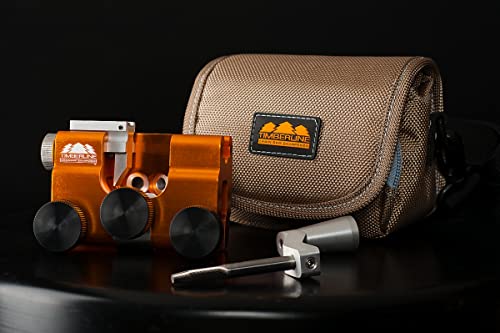
Unlike the corded Sharp Pebble, this is a manual Timberline sharpener in a 7/32-inch size. The maker says the tool is made and assembled in Idaho and offers six file sizes for different chainsaw chains. At 3.75 inches long and 1.3 pounds, it is a compact option for buyers who prefer manual sharpening over a powered tool. This version is specifically supplied with a 7/32-inch size, so it may not suit a chain that calls for another file diameter; check the chain maker’s recommended file size before choosing.
Bottom line: Pick this manual option if your chain calls for a 7/32-inch file.
370W Circular Saw Blade Sharpener

Unlike the chainsaw tools, this machine sharpens compatible circular saw blades, not chains. The maker specifies a 370W motor with a maximum wheel speed of 2,850 RPM, adjustable blade-feed angles of about 30 degrees left and 45 degrees right, and wheel adjustment of about 20 degrees in either direction. It accepts blades about 3.15 to 27.56 inches in diameter and has a 1,000 mL water tank. Consider it for a workshop handling suitable circular blades; its size and specialized setup make it the wrong tool for chainsaw chains.
Bottom line: Choose it for compatible circular saw blades, not chainsaw chains.
VEVOR 370W Circular Saw Blade Sharpener

Compared with the other circular-blade machine, this VEVOR model is specified at 3,590 RPM and includes a 5-inch grinding wheel. Its water tank is intended to cool the grinding area, and the machine includes different-sized centerings for blades from 3.2 to 27.5 inches. The maker also describes a slide-rail adjustment system. It suits users sharpening compatible circular blades; at 28 inches long and 30.42 pounds, it needs dedicated bench or floor space and is not a portable chainsaw-chain sharpener.
Bottom line: Pick this for water-cooled sharpening of compatible circular saw blades.
How to Choose a Chainsaw Sharpener
Choose a sharpener that matches your chain’s file size and sharpening method. Hand files, guided manual sharpeners, and powered grinders can all sharpen a chain, but the correct file diameter and top-plate angle depend on the chain’s pitch and maker’s specifications. Common filing angles fall around 25 to 35 degrees, though some chains call for a different angle. A useful decision rule: if you maintain several chain types, favor a tool with interchangeable file or grinding-bit sizes; if you sharpen one chain type, a correctly sized manual tool can be simpler. A chainsaw-chain sharpener cannot sharpen a circular saw blade, and a circular-blade grinder is not a substitute for a chain tool.
Matching File Size and Chain Geometry
Match the file diameter to the chain manufacturer’s recommendation rather than choosing by saw size alone. Chain pitch—the distance between rivets measured across three rivets and divided by two—helps identify chain type, but pitch by itself does not guarantee the correct file size. Keep the file level and maintain the specified top-plate angle; inconsistent filing can leave cutters at different lengths and make cutting uneven. The depth gauges ahead of the cutters also need periodic checking: many common chains use a 0.025-inch setting, but the correct clearance varies by chain. Use the chain maker’s value, and avoid lowering depth gauges based on a generic rule.
Chainsaw Chains Versus Circular Saw Blades
Chainsaw chains and circular saw blades have different tooth shapes and require different sharpening fixtures. Chain tools guide a file or grinding bit along individual cutters, while circular-blade machines hold a disc and position teeth against a grinding wheel. Use this quick match-up before choosing a machine.
| Cutting tool | Sharpener type | Fit check |
|---|---|---|
| Chainsaw chain | Manual file guide or chain grinder | Chain pitch, file size, and filing angle |
| Circular saw blade | Circular-blade grinding machine | Blade diameter, tooth geometry, and arbor fit |
| Straight planer or crusher knife | Knife grinder | Knife length and clamping thickness |
For any machine, confirm the blade diameter and tooth geometry fit its holder before setting up. A machine’s broad diameter range does not mean every tooth profile is compatible.
Safe Sharpening Setup and Common Mistakes
Secure the saw or blade and prevent accidental startup before sharpening; disconnect a corded tool or remove the battery where applicable. Wear eye protection because filing and grinding can release metal particles, and keep hands clear of rotating wheels. On chains, sharpen cutters evenly and inspect the depth gauges rather than focusing only on the cutting edges. On circular-blade machines, use only a compatible wheel and tooth setup; forcing the wrong geometry can damage a blade. Water-cooled machines need their tank filled and positioned as designed, but water must be kept away from electrical connections. Stop if a wheel is cracked, damaged, or vibrating unusually.
Frequently Asked Questions
How often should I sharpen a chainsaw chain?
Sharpen when the chain stops pulling itself into the cut, makes fine dust instead of chips, or requires extra pressure. Cutting dirty wood or striking soil can dull cutters quickly, so inspect the chain after any contact with dirt.
What file size does my chainsaw chain need?
Use the file diameter recommended for the exact chain model. Chain pitch is a useful identification clue, but chains with different cutter designs can require different file sizes even on similar saws.
Can a chainsaw sharpener sharpen circular saw blades?
No; chain sharpeners are designed around individual chain cutters, while circular blades require a holder and grinding setup suited to blade teeth. Choose a machine by blade diameter and tooth geometry as well as tool category.
How much depth-gauge clearance should a chain have?
Many common chains use a 0.025-inch depth-gauge setting, but the correct value depends on the chain design. Use the chain maker’s specified gauge rather than applying that common measurement to every chain.
What safety steps matter when sharpening a saw?
Prevent accidental startup by disconnecting power or removing the battery before handling a chainsaw, and wear eye protection during filing or grinding. Never use a damaged grinding wheel or force a blade into an incompatible machine.