
Rice Noodles: 5 Brands Compared by Style and Use

Thai Kitchen is the best all-around choice for rice noodles because its quick-cook instructions give a clear 8- to 10-minute soak for stir-fries, soups and Pad Thai. Choose another option if you want pho noodles, broad 10 mm noodles, rice flakes or multiple stick sizes instead.
Rice noodles are dried noodles made primarily from rice; their shape and thickness affect how they cook and which dishes they suit.
We earn a commission if you buy through links on this page. As an Amazon Associate I earn from qualifying purchases. Products are compared on manufacturer specifications, not hands-on testing.
- Best overall: Thai Kitchen Stir Fry Rice Noodles – Its 8- to 10-minute soak and use across stir-fries, Pad Thai, soups and curry make it the most versatile pick.
- Best for pho: Asian Best Premium Pho Noodles – The product is specifically presented as pho rice noodles with a simple rice, water and salt ingredient list.
- Best for wide noodles: Roland Wide Rice Noodles – Its 10 mm width and neutral flavor suit dishes where broad, chewy noodles can take on accompanying flavors.
| Product | Best for | Style | Package size | Cooking guidance | Shop |
|---|---|---|---|---|---|
| Thai Kitchen Stir Fry Rice Noodles | Versatile cooking | Stir-fry noodles | 14 oz | Soak 8–10 min | Check Price on Amazon |
| Asian Best Premium Pho Noodles | Pho bowls | Pho noodles | — | — | Check Price on Amazon |
| Roland Wide Rice Noodles | Wide noodle dishes | Wide, 10 mm | 14.1 oz | — | Check Price on Amazon |
| Three Ladies Rice Stick Noodles | Multiple stick sizes | Rice sticks, 4 sizes | 42 oz total | — | Check Price on Amazon |
| Asian Best Rice Flake Noodles | Soups and salads | Rice flakes | 16 oz total | Quick to cook | Check Price on Amazon |
Rice Noodle Brands Compared
Match noodle shape and intended dish first, then compare package size and the cooking guidance available for each option.
Thai Kitchen Stir Fry Rice Noodles

The clearest cooking direction in this group sets these noodles apart: soak them in hot water for 8 to 10 minutes until soft but firm. Thai Kitchen says the noodles are steamed rather than fried and made with two ingredients; the package is also identified as gluten free and non-GMO. Their suggested uses span stir-fries, Pad Thai, soup and curry, so they suit cooks who want one style for several dishes. The tradeoff is that the product is framed for stir fry use, so shoppers specifically seeking pho noodles, wide noodles or rice flakes may prefer a more targeted style.
Bottom line: Pick this when you want one rice noodle style with a soak time and several suggested uses.
Asian Best Premium Pho Noodles

These are the most specifically pho-oriented noodles in the group, making them the natural choice for shoppers building Vietnamese-style noodle soup. The product identifies rice, water and salt as its ingredients and says it is vegan, non-GMO and gluten free. Its pack-size figures conflict across the fields, so verify the package size before ordering if quantity matters. Unlike the stir fry-focused option, this one is presented for pho rather than a broad set of applications; choose it for that dish rather than assuming it has the same cooking direction or shape as other rice noodles.
Bottom line: Choose these for pho when the intended dish matters more than a confirmed package quantity.
Roland Wide Rice Noodles
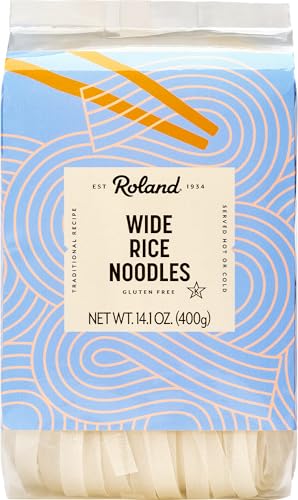
The 10 mm width is the key distinction here: these are broad rice noodles rather than generic sticks or flakes. Roland says they are made from 100% rice flour and salt, with a chewy, tender texture and neutral flavor suited to soaking up accompanying flavors. The product is described for hot or cold applications, giving it range beyond a single named dish.
Bottom line: Pick these when a wide, 10 mm noodle is the defining requirement.
Three Ladies Rice Stick Noodles
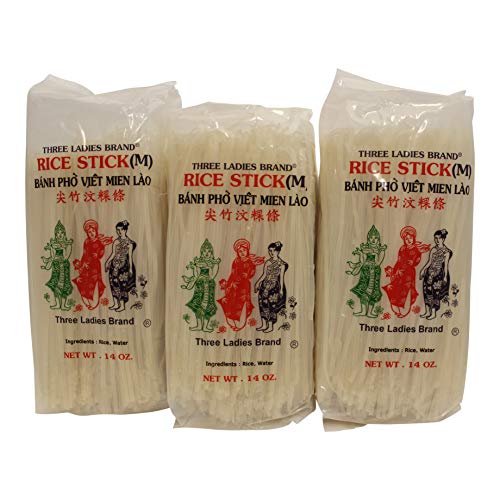
This three-bag pack stands out for offering rice sticks in four size choices: small, medium, large and extra large. The product suggests the noodles for Pad Thai and Vietnamese pho, which makes them useful when you want to select a stick size for a specific preparation. The package includes cooking instructions on the back, but no timing is given in the specifications. That makes the pack less convenient for someone comparing exact soak times before cooking; buyers should choose a size first and use the package directions for preparation.
Bottom line: Choose this pack when access to four rice stick sizes matters more than a pre-given cooking time.
Asian Best Rice Flake Noodles

Rice flakes give this option a different shape from the sticks, broad pho noodles and wide 10 mm noodles elsewhere in the group. The product suggests using them in soups, salads and other recipes, and calls them quick and easy to cook. Two 8 oz packages make up the 16 oz total, which can be handy when dividing the amount between dishes.
Bottom line: Choose these when rice flakes suit your soup, salad or other recipe.
How to Choose Rice Noodles for a Dish
Choose rice noodles by shape and dish before comparing package size. Thin or medium rice sticks work in dishes such as Pad Thai and pho; wide noodles around 10 mm are suited to preparations that call for a broad, chewy bite. Rice flakes offer a distinct flat form for soups and salads. Dried noodles often need soaking or rehydration before they finish cooking in a stir fry or broth, so avoid treating every shape as interchangeable. A useful decision rule is to choose the 10 mm option when a recipe specifically calls for wide noodles; for pho or Pad Thai, pick a product expressly aimed at that dish. Package instructions matter because thickness changes how quickly noodles soften.
Rice Noodle Sizes and Package Quantities
Package quantity helps with planning, but noodle shape is the more important first filter. A 14 oz bag and a 16 oz total pack differ by only 2 oz, while the cooking behavior of a broad noodle and a rice flake can differ substantially. Convert multipacks to total ounces before comparing: three 14 oz bags equal 42 oz, and two 8 oz packs equal 16 oz. Dried rice noodles expand as they absorb water, so plan portions using the package’s serving guidance when available rather than comparing cooked bowl volume. When an exact quantity is important, confirm it on the package where the product’s size figures conflict.
Soaking and Cooking Rice Noodles
Rice noodles soften through soaking or cooking, and thicker shapes generally need more time than thin ones. One package here gives an 8- to 10-minute hot-water soak, ending when the noodles are soft but still firm; use that timing only for that product, not as a universal rule. For stir-fries, stop softening before the noodles become mushy because they may continue cooking when tossed with hot sauce and ingredients. Pho noodles may be prepared differently from stir fry noodles, and rice flakes have their own shape, so follow the specific package directions. Drain carefully around hot water, and keep hands and face clear of steam to avoid burns.
Rice Noodle Styles at a Glance
Rice noodle style is a practical shortcut to the right use: broad noodles suit recipes that call for width, while sticks and flakes fit different textures and dishes. The table compares the product forms and stated uses rather than assuming that all rice noodles share the same cooking time.
| Style | Common fit | Selection cue |
|---|---|---|
| Rice sticks | Pad Thai, pho | Choose among available stick sizes |
| Wide noodles | Wide-noodle dishes | Look for the 10 mm width |
| Pho noodles | Pho bowls | Choose a pho-oriented product |
| Rice flakes | Soups, salads | Select when the flat flake shape fits |
Frequently Asked Questions
Do rice noodles need to be soaked before cooking?
Many dried rice noodles need soaking or rehydration, but the timing depends on their thickness and style. One product here gives an 8- to 10-minute hot-water soak; use the package’s own timing for other shapes.
How wide are 10 mm rice noodles?
A 10 mm noodle is about 0.39 inches wide, making it visibly broader than a thin rice stick. Choose that width when a recipe calls for wide noodles rather than assuming a standard stick will cook or feel the same.
Can rice noodles go directly into soup?
Some rice noodles are intended for pho or soup, but preparation differs by noodle style. Soften them according to their package guidance and avoid leaving them in hot broth longer than needed, since continued cooking can make them too soft.
Are all rice noodles gluten free?
Rice-based noodles can be gluten free, but ingredients and cross-contact practices can vary by product. Check the package for a gluten-free claim if you need to avoid gluten for a medical or dietary reason.
How much dry rice noodle should I prepare per person?
Serving sizes vary by noodle shape and whether noodles are the main dish or part of a soup. Use the package’s serving guidance when available, and account for the fact that dried noodles absorb water and expand during preparation.