
TRICO Silicone Ceramic Wiper Blades Compared

TRICO Silicone Ceramic 26-inch (90-260) is the closest match for shoppers seeking TRICO Silicone Ceramic, with a 26-inch blade and a ceramic coating the maker says protects against weather-related wear. Choose TRICO Silicone Ceramic 28-inch (90-281) instead if its 28-inch length matches your vehicle; Invisible Glass Ceramic Silicone 20-inch is a different-brand, 20-inch alternative.
Wiper blades clear water and debris from the windshield, but the correct length and arm connection depend on the vehicle. Confirm the exact vehicle fit before ordering.
We earn a commission if you buy through links on this page. As an Amazon Associate I earn from qualifying purchases. Products are compared on manufacturer specifications, not hands-on testing.
- Best overall: TRICO Silicone Ceramic 26-inch (90-260) – Its 26-inch length and TRICO ceramic-coated silicone construction closely match the named product.
- Best for 28-inch fit: TRICO Silicone Ceramic 28-inch (90-281) – The 28-inch blade is the distinguishing option when that length is required.
- Best for 20-inch fit: Invisible Glass Ceramic Silicone 20-inch – A 20-inch ceramic-coated silicone alternative from another brand.
| Product | Best for | Length | Coating | Shop |
|---|---|---|---|---|
| TRICO Silicone Ceramic 26-inch (90-260) | 26-inch TRICO fit | 26 in | Ceramic coating | Check Price on Amazon |
| TRICO Silicone Ceramic 28-inch (90-281) | 28-inch TRICO fit | 28 in | Ceramic coating | Check Price on Amazon |
| Invisible Glass Ceramic Silicone 20-inch | 20-inch alternative | 20 in | Ceramic compound coating | Check Price on Amazon |
TRICO Silicone Ceramic Wiper Blades
Compare blade length and construction, then confirm that the selected size and connector match your vehicle.
TRICO Silicone Ceramic 26-inch (90-260)

TRICO Silicone Ceramic 26-inch (90-260) is the 26-inch TRICO option in this group, with a silicone blade and ceramic coating. The maker says the coating guards against UV, ozone, water, ice, and other element damage, and reports performance over 1.5 million cycles. Its aerodynamic airfoil is designed for windshield contact. This choice suits a vehicle calling for this blade length and a compatible connection. A 26-inch length alone does not establish vehicle compatibility, so buyers still need to confirm the exact fit before ordering.
Bottom line: Choose it if your vehicle calls for a compatible 26-inch TRICO blade.
TRICO Silicone Ceramic 28-inch (90-281)
TRICO Silicone Ceramic 28-inch (90-281) stands apart from the 26-inch TRICO option with its 28-inch length and stated application to select Ford and Aston Martin models. Its silicone blade has a ceramic coating; the maker says the coating reduces friction and drag and offers protection against ozone and UV exposure. That makes it relevant when a vehicle requires this longer size, not simply as an upgrade over a shorter blade. The vehicle range is selective, so confirm the exact year, model, and blade position fit before choosing it.
Bottom line: Pick it when your vehicle requires a compatible 28-inch blade.
Invisible Glass Ceramic Silicone 20-inch
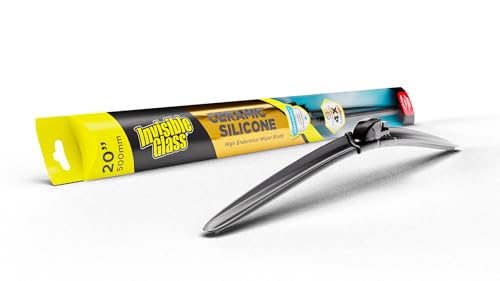
Invisible Glass Ceramic Silicone 20-inch is the only 20-inch choice here and comes from a different brand, making it an alternative rather than a TRICO model. Its silicone beam blade combines a ceramic compound coating with a separate HydroGuard water-repellent coating. The maker says HydroGuard applies a water-shedding layer to the windshield as the blade operates. Consider it only if a 20-inch blade and its connector fit your vehicle. Its shorter length and different brand make it a poor substitute when the vehicle calls for either TRICO size.
Bottom line: Choose it only if a compatible 20-inch alternative suits your vehicle.
How to choose a ceramic silicone wiper blade
Start with the vehicle’s required blade length and connector, then compare blade construction and coatings. A beam blade uses a curved, tensioned structure rather than the exposed metal frame common on conventional blades; the windshield’s shape and the blade’s connector determine whether it fits and makes contact correctly. Silicone and rubber are blade materials, while water-repellent coatings are separate treatments that may be applied to the blade or windshield. Measure only as a cross-check: front driver and passenger blades can be different lengths, and rear blades may differ from both. Choose the exact size specified for each position rather than assuming a longer blade covers more glass safely. Before ordering, confirm exact vehicle fit, including model year and arm connection.
Wiper blade sizes and vehicle fit
Wiper lengths are measured in inches, and a vehicle can use different sizes for its driver, passenger, and rear positions. The correct size is set by the vehicle’s design: too-short blades leave more glass uncleared, while oversized blades can collide with trim, each other, or the windshield edge. Use the vehicle manual or a reliable vehicle-specific fit guide to identify each position’s size and connector. Do not infer that two blades with the same length are interchangeable; hook, pin, and other arm connections are not universal. The products here span 20, 26, and 28 inches, so select among them only after identifying the required size and checking the connector. A fit mismatch can impair visibility, so replace a blade that does not seat securely.
Beam blades versus framed wipers
Beam blades have a flexible structure that distributes pressure along the blade, while conventional framed blades use a metal framework with multiple pressure points. Beam designs are often selected for curved windshields and winter use because they lack the open frame where snow and ice can collect; actual performance still depends on vehicle fit and conditions. Hybrid blades combine a framed structure with an aerodynamic cover, so the category name alone does not establish the connector or exact fit. The three options compared here are described as beam blades, but differ in length, brand, and coating. Match a replacement to the vehicle’s required size and attachment first; choosing a different wiper style does not make an incompatible arm connection fit.
When to replace windshield wiper blades
Many drivers replace wiper blades about every 6 to 12 months, but sun exposure, heat, freezing weather, and frequent use can shorten their service life. Look for persistent streaks, missed patches, chatter, or a split or hardened wiping edge; a single dirty windshield can also cause poor wiping, so clean the glass and blade before deciding the blade has worn out. Keep the windshield free of ice before operating the wipers, since a frozen blade can tear or stress the wiper mechanism. Never use wipers to clear heavy snow or ice. A blade that lifts from the windshield, has a damaged edge, or leaves visibility-obscuring streaks should be replaced promptly, even if it has not reached a typical interval.
Frequently Asked Questions
How do I find the correct wiper blade length?
Check the vehicle manual or a vehicle-specific fit guide for each wiper position. Driver and passenger blades may use different lengths, so do not assume the front pair matches.
Can I use a longer wiper blade than recommended?
Use the specified length rather than sizing up. An oversized blade can hit trim, the windshield edge, or the other blade and may not park correctly.
How often should windshield wiper blades be replaced?
A common replacement interval is about 6 to 12 months, with heat, sun, ice, and frequent use potentially shortening it. Replace sooner if the blade streaks, skips, or has a damaged edge.
Are beam wiper blades better in snow?
Beam blades have a flexible structure without the open framework of conventional framed blades, where snow and ice can collect. The correct connector and vehicle fit still matter more than blade style.
Should I run wipers over an icy windshield?
No; clear ice and heavy snow before operating the wipers. A frozen blade can tear or place stress on the wiper mechanism.