
Kaizen Low Carb Pasta: 4 Options Compared

For a low-carb pasta with a familiar spiral shape, choose Kaizen Lupini Fusilli, 8 oz (3-pack), which provides 20g protein and 6g net carbs per serving. Choose a different option if you want rice-style grains, a ready-to-prepare mac and cheese, or wheat-based penne instead.
We earn a commission if you buy through links on this page. As an Amazon Associate I earn from qualifying purchases. Products are compared on manufacturer specifications, not hands-on testing.
- Best overall: Kaizen Lupini Fusilli, 8 oz (3-pack) – Fusilli shape with 20g protein and 6g net carbs per serving.
- Best for rice-style bowls: Kaizen Lupini Rice, 8 oz (3-pack) – Lupini-based rice-style grains are an unseasoned base for bowls and stir-fries.
- Best for quick mac and cheese: Kaizen Classic Cheddar Mac & Cheese (3-pack) – Classic cheddar mac and cheese is ready in minutes, according to the maker.
- Best for wheat penne: Carbe Diem Penne, 12 oz – Penne offers 16g net carbs per serving and uses wheat ingredients.
| Product | Best for | Form | Net carbs | Protein | Shop |
|---|---|---|---|---|---|
| Kaizen Lupini Fusilli, 8 oz (3-pack) | Low-carb fusilli | Fusilli | 6g per serving | 20g per serving | Check Price on Amazon |
| Kaizen Lupini Rice, 8 oz (3-pack) | Rice-style bowls | Rice-style grains | 6g per serving | 20g per serving | Check Price on Amazon |
| Kaizen Classic Cheddar Mac & Cheese (3-pack) | Fast cheese meals | Mac and cheese | 9g per serving | 24g per serving | Check Price on Amazon |
| Carbe Diem Penne, 12 oz | Wheat penne | Penne | 16g per serving | — | Check Price on Amazon |
Kaizen Low Carb Pasta and Related Options
Compare each option by its shape, nutrition figures, and intended use before choosing a meal base.
Kaizen Lupini Fusilli, 8 oz (3-pack)
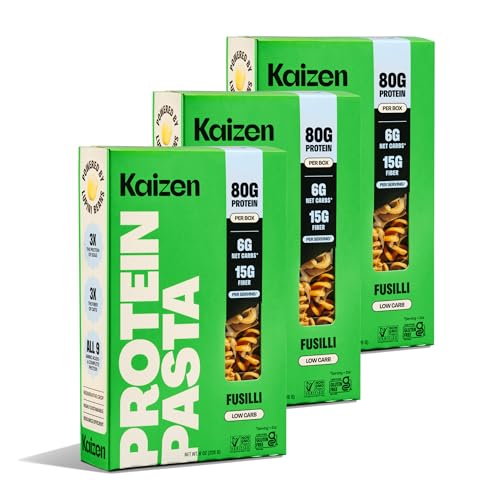
Unlike the rice-style and wheat-based alternatives, this option is spiral-shaped fusilli made from lupini beans. The maker says the plant-based pasta is gluten-free and cooks to resemble traditional pasta; it also identifies the product as high in fiber, non-GMO, and kosher. The 8-ounce, three-pack suits shoppers looking for a pasta shape with the protein and net-carb figures shown here. Its limitation is the fusilli shape: choose another option if you need penne, rice-style grains, or a prepared cheese dish.
Bottom line: Choose this if you want lupini-based fusilli with 20g protein and 6g net carbs per serving.
Kaizen Lupini Rice, 8 oz (3-pack)
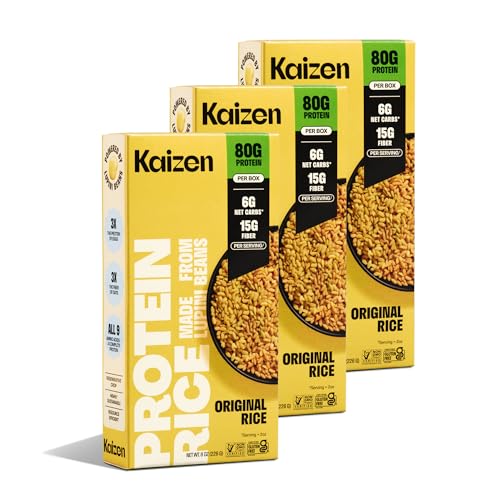
Rather than pasta spirals, this is a rice-style lupini base for bowls, stir-fries, curries, or sides. The maker says the grains cook firm and separate, and describes the product as gluten-free, grain-free, soy-free, and keto-friendly; it is also unseasoned, so the cook supplies the flavor. Each 2-ounce serving has 20g protein and 6g net carbs. The format suits meals built around grains, but it is not a substitute for a shaped noodle when the dish depends on pasta.
Bottom line: Pick this for a neutral, rice-style base rather than a noodle.
Kaizen Classic Cheddar Mac & Cheese (3-pack)
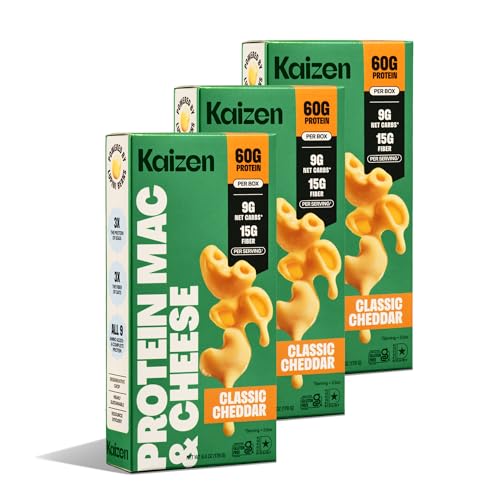
For a prepared comfort-food direction rather than plain pasta, this option pairs classic cheddar mac and cheese with 24g protein and 9g net carbs per serving. The maker says it is ready in minutes and contains no artificial flavors, colors, or preservatives; the package is a three-pack. It suits someone seeking a quick cheese dish without assembling a sauce separately. Its higher net-carb figure than the fusilli may matter to shoppers comparing those two options, and it is not an unseasoned pasta base.
Bottom line: Choose this for a quick cheddar mac meal rather than plain fusilli.
Carbe Diem Penne, 12 oz

Unlike the lupini-based choices, this penne is made from wheat ingredients: durum wheat, modified wheat starch, and vital wheat gluten. The maker says it has 16g net carbs and 110 calories per serving, with 24g dietary fiber, and that it cooks like regular pasta with an al dente texture. A single 12-ounce pack suits shoppers who want a familiar wheat penne shape. Because it contains wheat and vital wheat gluten, it is not the choice for someone seeking a gluten-free pasta.
Bottom line: Pick this if wheat penne matters more than a gluten-free formulation.
How to Choose Low-Carb Pasta
Start with the meal format and serving numbers: pasta spirals, penne, rice-style grains, and prepared mac and cheese serve different roles. Compare net carbs on the same serving basis, then check protein and fiber as separate figures rather than treating one as a substitute for another. Net carbs are commonly calculated by subtracting fiber and certain sugar alcohols from total carbohydrates, but labeling practices and serving sizes can differ. A practical rule: if your meal needs a noodle shape, choose a pasta; if it needs a grain-like base, choose rice-style grains. For packaged food, review the ingredient and allergen statements for dietary restrictions before serving.
What Net Carbs and Serving Sizes Mean
Net carbs are not a separate nutrient measured directly; the term generally refers to total carbohydrates minus fiber and, in some calculations, certain sugar alcohols. Compare products using the same serving weight, because a number per serving can shift when serving sizes differ. The figures in these options use their serving measures, so they should not be treated as equal portions unless the weights match. Fiber and protein also matter to a meal plan, but neither changes the arithmetic you use to compare net carbs. For a reliable comparison, look at total carbohydrates, fiber, serving size, and the package’s own net-carb figure together.
How Pasta Shapes Change the Meal
Shape determines how a pasta works in a dish: fusilli’s spirals hold onto thicker sauces, while penne’s hollow center works with chunky sauces and baked pasta. Rice-style grains are better suited to bowls or stir-fries than to recipes that depend on a long or shaped noodle. Mac and cheese is a prepared dish rather than a plain pasta base, so it brings its own cheddar flavor. Choose based on the recipe first, then compare nutrition and ingredients among products in the same format. Substituting a different shape or a grain-style product can alter the dish’s texture and sauce coverage.
| Meal need | Useful format | Consider |
|---|---|---|
| Spiral noodle meal | Fusilli | Shape and net carbs per serving |
| Wheat penne recipe | Penne | Wheat and gluten ingredients |
| Rice-style bowl | Lupini rice | Unseasoned base and grain texture |
| Cheddar comfort meal | Mac and cheese | Prepared flavor and net carbs |
Ingredient and Dietary Checks
Ingredient lists matter as much as carb counts when a diet excludes particular grains or allergens. Wheat penne contains durum wheat and vital wheat gluten, whereas the maker describes the Kaizen fusilli and rice as gluten-free and plant-based. The mac and cheese is a distinct prepared food with cheddar flavor, not a neutral pasta. Check the package’s current ingredient and allergen statements before buying for someone with a dietary restriction, since formulations and manufacturing precautions are not represented by the nutrition figures alone. Also compare the serving size on the nutrition panel with the portion you plan to eat; scaling a serving scales its nutrition values.
Frequently Asked Questions
How are net carbs usually calculated?
Net carbs are generally calculated by subtracting fiber from total carbohydrates, with some methods also subtracting certain sugar alcohols. Check the package serving size and label figures so the comparison uses the same portion.
Does gluten-free pasta always contain fewer carbs?
No, gluten-free describes an ingredient or dietary attribute, not a carb level. Compare total carbohydrates, fiber, and serving size on each package rather than assuming gluten-free means low-carb.
Can lupini rice replace pasta in every recipe?
No, rice-style grains and shaped pasta behave differently in a dish. Use rice-style grains for bowls or stir-fries, and choose fusilli or penne when the recipe needs noodles.
What should I check before serving pasta to someone with an allergy?
Read the current ingredient and allergen statements on the package before serving. A product’s gluten-free or plant-based claim does not answer every allergy question.