
2K Primer in a Spray Can: 3 Types Compared

For metal priming, SprayMax 2K Epoxy Primer Black is the clearest fit because its epoxy formula is intended for steel, aluminum and galvanized metal; choose LiME LiNE 2K Urethane Surfacer instead when you need a high-build surfacer for blocking and smoothing. A 2K aerosol combines two components after activation, so its usable time after triggering matters as much as its primer type.
Choose by the job: epoxy is aimed at metal adhesion and corrosion protection, while a surfacer is made to fill minor imperfections and sand flat. Verify surface compatibility and required protective equipment on the product label and safety data sheet before spraying.
We earn a commission if you buy through links on this page. As an Amazon Associate I earn from qualifying purchases. Products are compared on manufacturer specifications, not hands-on testing.
- Best overall: SprayMax 2K Epoxy Primer Black – Epoxy primer intended for steel, aluminum and galvanized metal, with a variable nozzle and 15-minute dust-dry claim.
- Best for blocking: LiME LiNE 2K Urethane Surfacer – High-build urethane surfacer designed to block flat, fill minor imperfections and provide 24 hours of pot life after activation.
| Product | Best for | Primer type | Package | Working feature | Shop |
|---|---|---|---|---|---|
| SprayMax 2K Epoxy Primer Black | Metal priming | Epoxy | Single aerosol | 15-minute dust-dry claim | Check Price on Amazon |
| SprayMax 3680033 2K Epoxy Rust-Cure | Rust-cure epoxy | Epoxy | Two aerosols | — | Check Price on Amazon |
| LiME LiNE 2K Urethane Surfacer | Blocking surfaces | Urethane surfacer | Single aerosol | 24-hour pot life | Check Price on Amazon |
2K primer in a spray can
Match the primer chemistry to the surface and the finish work you need to do afterward.
SprayMax 2K Epoxy Primer Black
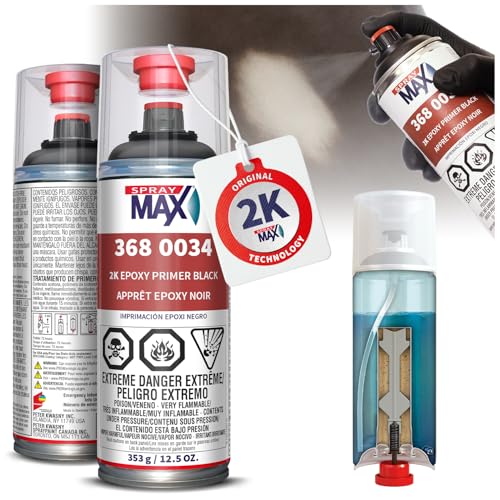
For metal-focused priming, this epoxy aerosol is the option here whose maker specifically names steel, aluminum and galvanized metal. The black formula is packaged as one can and has a variable nozzle for spray control. Its intended role is adhesion and corrosion protection beneath a later finish. Choose it for metal preparation rather than surface blocking; buyers who need a high-build surfacer for flattening minor imperfections should consider a surfacer instead.
Bottom line: Pick this for epoxy priming of steel, aluminum or galvanized metal.
SprayMax 3680033 2K Epoxy Rust-Cure

This SprayMax option is identified as a 2K epoxy rust-cure primer and comes as a two-aerosol package, distinguishing it from the single-can choices. The epoxy and rust-cure designation make it the alternative to consider when that specific product type is wanted. The product name identifies the shade as gray, while its color field says red, so confirm the can color before ordering if shade matters.
Bottom line: Choose this if you specifically want a two-aerosol epoxy rust-cure primer.
LiME LiNE 2K Urethane Surfacer
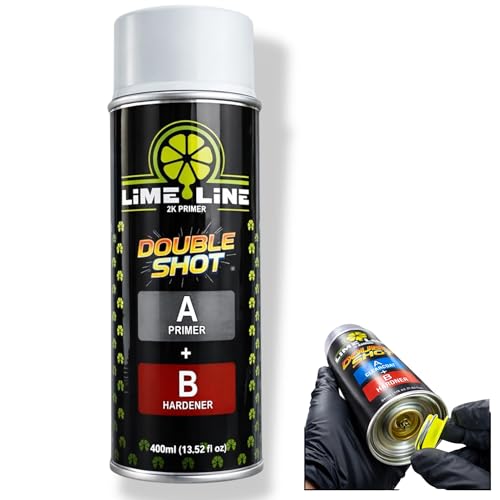
Unlike the epoxy primers, this is a high-build urethane surfacer made for leveling work: it is designed to block flat, fill minor imperfections and smooth surfaces. Its double-chamber can combines activator and primer when triggered, and an adjustable HVLP-style nozzle provides a wide fan pattern. The maker gives it a 24-hour pot life after activation, useful when planning a longer sanding session. The light-gray surfacer is sandable, but it is not presented as a corrosion-protection primer for bare metal; choose an epoxy primer when that is the priority.
Bottom line: Pick this for high-build filling and blocking before a topcoat.
Choose epoxy or urethane surfacer by the job
Epoxy and urethane surfacer solve different preparation problems: epoxy is the metal-oriented choice here, while a high-build surfacer is designed to level a surface. The product names and features distinguish epoxy primer from urethane surfacer; do not assume one can replace the other. A surfacer’s job is to fill small imperfections and provide material for blocking, whereas epoxy is selected for adhesion and corrosion protection on compatible metal. Use this decision rule: if the main goal is to smooth minor flaws by sanding, choose a surfacer; if the main goal is a primer for metal, choose an epoxy product that names the substrate. Verify compatibility with the existing coating and planned topcoat before applying either type.
| Need | Primer type to consider |
|---|---|
| Metal adhesion and corrosion protection | Epoxy primer |
| Filling minor imperfections and blocking flat | High-build surfacer |
Plan activation and pot life before spraying
A 2K aerosol keeps two components separate until activation, then the mixed coating has a finite working period. The surfacer option here gives a 24-hour post-activation pot life; the epoxy options do not provide a working-time figure in their specifications. Check the specific label for activation steps and usable time, and only trigger a can when the surface, masking and spray area are ready. Temperature, film thickness and recoating windows are coating-specific, so use the can directions rather than assuming another product’s schedule applies. Do not keep an activated can for later use unless its maker expressly permits it.
Prepare surfaces and plan sanding
Primer performance depends on a clean, properly prepared surface; oil, wax, loose rust and sanding dust can interfere with adhesion. Sanding grades are chosen by the coating system and repair stage, so use the primer and topcoat directions instead of applying one grit rule to every job. The black epoxy maker says its coating becomes dust-dry in 15 minutes and is sandable, but that dust-dry claim is not a universal sanding schedule. The surfacer is specifically designed for blocking and smoothing. Allow the coating to reach the sanding condition, and test an inconspicuous area when working over an existing finish.
Use ventilation and protective equipment for 2K coatings
Two-component automotive coatings can involve hazardous hardeners, and aerosol spraying creates airborne mist that should not be inhaled. Work with effective ventilation and follow the exact label and safety data sheet for respirator, eye and skin protection; a simple dust mask is not a substitute for the protective equipment those documents require. Keep the spray away from flames and ignition sources, and do not spray in an occupied garage or near people or pets. Product formulas vary, so check the safety documents for the particular can rather than assuming that every epoxy and urethane aerosol has the same hazards.
Frequently Asked Questions
What does 2K mean on a primer spray can?
2K means the coating uses two components that combine for curing, rather than a single-component aerosol coating. In an activated can, plan the work before triggering because the mixed material has a limited usable period.
Can epoxy primer go on aluminum?
Some epoxy primers are intended for aluminum, including the metal substrates named for SprayMax 2K Epoxy Primer Black. Confirm the product directions for cleaning and preparation, since aluminum needs a compatible, properly prepared surface.
How long can activated 2K primer be used?
The usable time depends on the formula; the urethane surfacer here gives a 24-hour pot life after activation. Do not apply that time to another can unless its label gives the same window.
Is 2K primer safe to spray indoors?
Do not spray a 2K coating in an occupied or poorly ventilated indoor space. Aerosol mist and coating hardeners can present inhalation hazards, so use the ventilation and protective equipment required by the product’s safety data sheet.
Should primer be sanded before applying paint?
Sand only when the primer reaches the sanding condition specified for that product. The epoxy maker claims dust-dry in 15 minutes, but dust-dry does not by itself establish a universal safe sanding or topcoat time.