
Johnson Paste Floor Wax: Options Compared by Use

SC Johnson Paste Wax is the closest match for Johnson paste floor wax because it is a carnauba paste wax intended for sealed wood and also metal, cork and vinyl. The Johnson product is included; buyers focused specifically on floors should consider the floor-wax alternative, while furniture-focused shoppers may prefer a wax explicitly described for furniture.
We earn a commission if you buy through links on this page. As an Amazon Associate I earn from qualifying purchases. Products are compared on manufacturer specifications, not hands-on testing.
- Best overall: SC Johnson Paste Wax, 1 lb – The SC Johnson formula is carnauba paste wax for sealed wood, metal, cork and vinyl.
- Best for floor use: Howard Citrus Shield Paste Wax, 11 oz – Citrus Shield is explicitly identified for use as a floor wax.
- Best for finished wood: Minwax Paste Finishing Wax, Natural, 1 lb – Minwax is intended for finished wood that does not need a polyurethane coat.
| Product | Best for | Size | Named surfaces | Wax type | Shop |
|---|---|---|---|---|---|
| SC Johnson Paste Wax, 1 lb | Sealed surfaces | 16 oz | Sealed wood, metal, cork, vinyl | Carnauba | Check Price on Amazon |
| Howard Citrus Shield Paste Wax, 11 oz | Furniture and floors | 11 oz | Furniture, floors | Carnauba | Check Price on Amazon |
| Minwax Paste Finishing Wax, Natural, 1 lb | Finished wood | 16 oz | Finished wood | — | Check Price on Amazon |
| Shop Wax, 8 oz | Workshop equipment | 8 oz | Metal, epoxy, wood, plastic, cast iron | — | Check Price on Amazon |
Johnson Paste Floor Wax Alternatives
These options differ in their named surfaces, wax composition and whether floor use is explicit.
SC Johnson Paste Wax, 1 lb
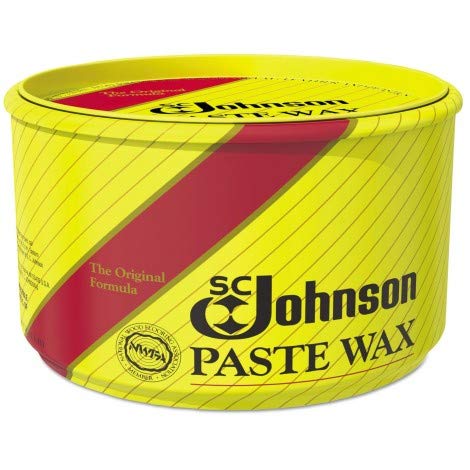
SC Johnson Paste Wax is the direct match for the named product, with a carnauba formula intended for sealed wood and also metal, sealed cork and vinyl. The maker says its buffable formula leaves a satiny luster, and its waterless formula picks up old wax and helps prevent buildup. The 1 lb can suits shoppers seeking a multi-surface paste rather than a furniture-only finish. Its surfaces do not explicitly include floors, so buyers needing a floor-specific product should choose an option labeled for floor use.
Bottom line: Pick this for sealed wood and other named surfaces when a carnauba paste is the priority.
Howard Citrus Shield Paste Wax, 11 oz

Howard Citrus Shield is the clearest fit for shoppers who specifically want a wax identified for floor use, and it also serves as a furniture polish and cleaner. Its formula combines orange oil with a carnauba wax barrier; the maker says it repels water and buffs to a long-lasting shine. The 11 oz neutral wax is also positioned as a final finish or reconditioner. Unlike the SC Johnson product, it is not presented as a wax for metal, cork or vinyl, so choose it for wood-oriented furniture and floor tasks instead.
Bottom line: Choose this when explicit floor-wax use matters more than broad surface coverage.
Minwax Paste Finishing Wax, Natural, 1 lb

Minwax is specifically aimed at finished wood surfaces, making it a focused alternative for cabinets, doors, paneling, furniture and antiques. The maker recommends a thin, even coat, a 10–15 minute drying period and polishing with a clean cloth, weighted buffer or electric polisher. It is intended for surfaces that do not need a hard polyurethane protective coat.
Bottom line: Pick this for finished wood when a hand-rubbed luster is the goal, not a hard coat.
Shop Wax, 8 oz
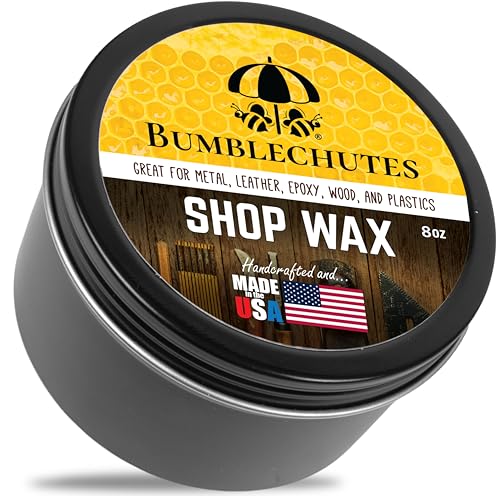
Shop Wax is the most workshop-oriented option, intended for metal, epoxy, wood, plastic, cast iron and equipment such as table saws, clamps and jigs. The maker says the paste helps repel moisture and reduce friction on moving parts, with application by wiping on, allowing it to cure and buffing. Its 8 oz tin is half the size of the 1 lb SC Johnson and Minwax containers. The product is framed around shop surfaces and tools rather than floors or furniture, so it is a specialized alternative rather than a floor finish.
Bottom line: Choose this for shop tools and equipment rather than household floor waxing.
Choosing paste wax by surface
Start with the surface the wax names, because a floor finish, furniture polish and tool wax are not automatically interchangeable. Paste wax generally leaves a thin film that is buffed to a sheen; it is not the same as a hard polyurethane coating. For sealed wood, the SC Johnson formula names sealed wood, while Minwax is for finished wood that does not need a hard polyurethane protective coat. For floor-specific positioning, Howard is the only option here explicitly called a floor wax. Use the product’s named surfaces as the decision rule: if a product does not identify your floor material or finish, do not assume compatibility. Floors also need a non-slip surface; wax buildup can make walking surfaces slick, so use only a thin, even coat and buff thoroughly.
How to apply and buff paste wax
Paste wax works best as a thin layer that is allowed to dry before polishing; a thick coat is harder to buff evenly and can leave excess residue. Minwax gives a concrete timing example: allow 10–15 minutes to dry, then polish with a clean cloth, weighted buffer or electric polisher. Before waxing, remove dirt and old residue so the new layer does not trap grit. Test a small inconspicuous area first, especially on finished or previously waxed floors, since sheen and traction can change with the surface and amount applied. Avoid waxing walking areas unless the product is suited to that floor and the finished surface remains safe underfoot.
How these paste wax types differ
Use the intended surface and purpose to separate a general carnauba wax from a furniture finish or a workshop lubricant. A multi-surface paste can cover sealed wood plus other materials, while a wood finishing wax is aimed at adding luster to already-finished surfaces. Workshop waxes are formulated around tools and friction-prone equipment, not household floor maintenance. The table maps each option to its role; it does not imply that one wax fits every floor coating.
| Need | Option | Reason |
|---|---|---|
| Sealed wood and other named materials | SC Johnson Paste Wax | Names sealed wood, metal, cork and vinyl |
| Floor wax use | Howard Citrus Shield | Explicitly identifies floor wax use |
| Finished wood luster | Minwax Paste Finishing Wax | Made for finished wood without a hard polyurethane coat |
| Shop tools and equipment | Shop Wax | Names workshop surfaces and moving parts |
Floor-wax safety and upkeep
Waxed floors can become slippery when too much product remains on the surface, so apply sparingly and buff away residue before walking on the area. Keep the wax off stairs, ramps or other high-traction surfaces unless the floor manufacturer allows waxing and the product is intended for that finish. Old wax layers can dull floors and collect soil; the SC Johnson formula is described as waterless and intended to pick up old wax and help prevent buildup, but that does not remove the need to check compatibility with a particular floor coating. For recurring floor care, follow the floor maker’s maintenance schedule, since wax is not appropriate for every sealed, laminate or resilient surface.
Frequently Asked Questions
Can paste wax make a floor slippery?
Yes, excess wax can leave a slick surface, especially before it is fully buffed. Apply a thin coat and remove residue before allowing foot traffic.
How long should paste wax dry before buffing?
Minwax recommends 10–15 minutes before polishing its paste finishing wax. Drying time can vary with coat thickness and room conditions, so thin application helps produce an even buff.
Is carnauba paste wax suitable for every floor?
No, carnauba describes the wax ingredient, not universal floor compatibility. Confirm that the floor finish permits paste wax before applying it, particularly on resilient or laminate flooring.
What is the difference between floor wax and polyurethane?
Paste floor wax is a buffed surface film, while polyurethane is a hard protective coating. Minwax specifically positions its finishing wax for wood that does not need a hard polyurethane coat.
How much paste wax should I apply to a floor?
Use a thin, even coat rather than a heavy layer, which can be harder to buff and may leave residue. Test a small area first and verify the floor finish is compatible.