
Eucerin Spotless Brightening Booster Serum Compared

The Eucerin Radiant Tone Dual Serum is the closest match to the Eucerin spotless brightening booster serum search because it is a 1-ounce facial serum with Thiamidol and hyaluronic acid. Choose the single serum if you want that format; the bundle adds a cleanser and night cream, while the other options differ in active ingredients or product type.
We earn a commission if you buy through links on this page. As an Amazon Associate I earn from qualifying purchases. Products are compared on manufacturer specifications, not hands-on testing.
- Best overall: Eucerin Radiant Tone Dual Serum – It is a 1-ounce Eucerin dark-spot serum formulated with Thiamidol and hyaluronic acid.
- Best for a night routine: Eucerin Radiant Tone Night Routine Bundle – The three-piece set combines a 1-ounce serum with a 6.8-ounce cleanser and 1.7-ounce night cream.
- Best for niacinamide: La Roche-Posay Mela B3 Serum – The 1-ounce serum pairs 10% niacinamide with Melasyl.
- Best for a night cream: Eucerin Radiant Tone Night Cream – The 1.7-ounce Eucerin moisturizer uses Thiamidol in a cream format.
| Product | Best for | Format | Key ingredients | Size | Shop |
|---|---|---|---|---|---|
| Eucerin Radiant Tone Dual Serum | Single serum | Facial serum | Thiamidol, hyaluronic acid | 1 fl oz | Check Price on Amazon |
| Eucerin Radiant Tone Night Routine Bundle | Nighttime regimen | Cleanser, serum, night cream | AHA complex, Thiamidol, hyaluronic acid | 6.8 fl oz cleanser; 1 fl oz serum | Check Price on Amazon |
| La Roche-Posay Mela B3 Serum | Niacinamide formula | Facial serum | 10% niacinamide, Melasyl | 1 fl oz | Check Price on Amazon |
| Eucerin Radiant Tone Night Cream | Moisturizing cream | Night cream | Thiamidol, provitamin B5 | 1.7 oz | Check Price on Amazon |
Eucerin Spotless Brightening Booster Serum Options
Compare the closest serum match with related dark-spot products by format, ingredients and included routine steps.
Eucerin Radiant Tone Dual Serum

The Eucerin Radiant Tone Dual Serum is the closest match here for shoppers seeking a standalone brightening serum. Its 1-ounce formula combines Thiamidol with hyaluronic acid, and Eucerin says regular use can help visibly reduce the look of dark spots and smooth the look of fine lines. The lightweight, non-sticky formula is described as suitable for all skin types and non-comedogenic. This choice keeps the routine to one serum rather than adding cleanser or cream; it does not provide the separate cleansing and moisturizing steps found in the bundle.
Bottom line: Choose this if you want a single Eucerin serum with Thiamidol.
Eucerin Radiant Tone Night Routine Bundle

The Eucerin Radiant Tone Night Skin Routine Bundle differs from the standalone serum by adding a cleanser and night cream. The three items include a 6.8-ounce gel cleanser with a 2% AHA complex of lactic and glycolic acids, a 1-ounce serum with hyaluronic acid, and a 1.7-ounce night cream. Eucerin says the regimen helps improve the look of clarity, dark spots and fine lines with regular use. The set suits someone seeking several nighttime steps, but it is not a serum-only purchase; its exfoliating cleanser may not suit every routine.
Bottom line: Choose this if you want the serum alongside cleanser and night cream.
La Roche-Posay Mela B3 Serum
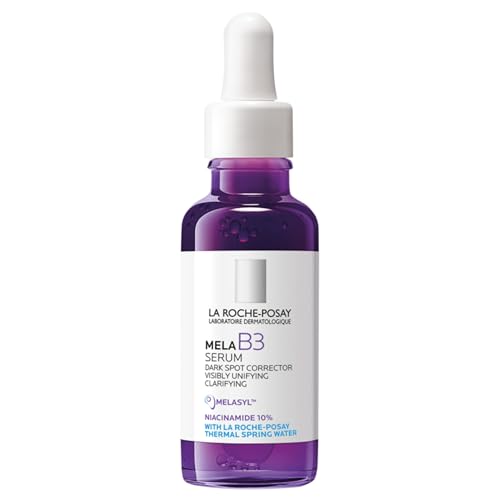
The La Roche-Posay Mela B3 Serum is a different-brand alternative built around 10% niacinamide and Melasyl rather than Eucerin’s Thiamidol. The 1-ounce serum is positioned for the appearance of sun spots, age spots and post-acne marks. The ingredient combination makes it the relevant alternative for shoppers specifically comparing a niacinamide formula, not an Eucerin product. Its target is discoloration, but anyone choosing by the Eucerin brand or by Thiamidol should stick with the Radiant Tone serum instead.
Bottom line: Choose this if you want a dark-spot serum centered on niacinamide.
Eucerin Radiant Tone Night Cream

The Eucerin Radiant Tone Night Cream shares the Radiant Tone line and Thiamidol with the closest serum match, but it is a moisturizer rather than a booster serum. Its 1.7-ounce cream also contains provitamin B5; Eucerin says it works overnight to help restore radiance and maintain an even-looking complexion. The non-sticky, non-comedogenic formula is described as suitable for all skin types. This format is useful for someone seeking a night moisturizer, but it does not replace a standalone serum for a routine built around that product type.
Bottom line: Choose this if a Thiamidol night moisturizer fits your routine better than a serum.
How to Choose a Brightening Serum
Choose by the active ingredient and format you want, since dark-spot products can be serums, creams or multi-step sets. A serum is a leave-on treatment, while a cleanser is rinsed away and a night cream adds a moisturizing step. The closest Eucerin match here pairs Thiamidol with hyaluronic acid; the alternative serum uses 10% niacinamide with Melasyl. If you are comparing products, prioritize the ingredient named on the package and the format you will consistently use, rather than assuming that different actives work identically. For daytime routines, broad-spectrum SPF 30 or higher helps limit UV exposure that can contribute to visible dark spots.
How to Fit a Serum Into a Routine
Apply leave-on products after cleansing and before a moisturizer, unless the product directions specify a different order. A basic routine can be cleanser, serum, moisturizer and—during daytime—broad-spectrum sunscreen. Add a new active product one at a time so irritation is easier to identify; patch testing on a small area for several days is a cautious approach for reactive skin. The Eucerin bundle combines cleanser, serum and night cream, whereas the standalone serum leaves the surrounding steps to your existing routine. Confirm the product’s use directions and frequency before adding it, particularly if your routine already includes exfoliating acids or retinoids.
Dark-Spot Serum and Cream Formats Compared
Serums and creams serve different routine roles, even when both target the appearance of dark spots. A serum is a concentrated leave-on step, while a cream is primarily a moisturizer; a bundle combines multiple formats. The included cleanser in the Eucerin set contains a 2% AHA complex, which is a meaningful distinction if your routine already exfoliates. AHA products can increase sun sensitivity, so daily sunscreen matters when using them. Use this comparison to match product format to your routine rather than layering every item automatically.
| Format | Typical role | Choose when |
|---|---|---|
| Serum | Leave-on treatment step | You want a standalone active product |
| Night cream | Moisturizing step | You want a cream format at night |
| Routine bundle | Several steps together | You need cleanser, serum and cream |
Using Dark-Spot Products Carefully
Give a new leave-on product a cautious start, especially when your routine includes acids or retinoids. Using multiple strong actives at once can raise the chance of irritation; introduce one product at a time and reduce use if stinging, redness or peeling develops. Avoid applying products to broken or irritated skin, and keep them away from eyes unless their directions allow that area. Sun protection is important: broad-spectrum SPF 30 or higher, applied as directed, helps protect skin from UVA and UVB exposure. If discoloration changes quickly or is concerning, seek advice from a qualified clinician rather than relying on a cosmetic serum.
Frequently Asked Questions
How long can a dark-spot serum take to show results?
Visible changes from cosmetic dark-spot products can take several weeks, and results vary by person and consistency. Eucerin says its Radiant Tone serum may show more radiant-looking skin in as little as two weeks, with clarity improving over time.
Can I use an AHA cleanser with a serum?
Yes, many routines pair a rinse-off AHA cleanser with a leave-on serum, but introduce the combination gradually if you are new to exfoliating acids. The Eucerin bundle’s cleanser contains a 2% AHA complex, and AHA use can increase sun sensitivity, so use broad-spectrum sunscreen during the day.
Should sunscreen be part of a dark-spot routine?
Yes, daily broad-spectrum SPF 30 or higher helps protect skin from UVA and UVB exposure that can contribute to visible discoloration. Reapply as directed on the sunscreen label, especially after swimming, sweating or toweling.
Can I layer two dark-spot serums together?
It is usually more practical to introduce one new leave-on serum at a time rather than layering multiple active formulas immediately. Give each addition several days to monitor for irritation, and follow the products’ directions for frequency and order.
Where does a serum go in a skincare routine?
A leave-on serum generally goes after cleansing and before moisturizer. In the morning, sunscreen is the final skincare step; in the evening, moisturizer can follow the serum.