
Best Non-Comedogenic Primer: 3 Formulas Compared

Catrice Extreme Matte Oil-Control Primer is the best non-comedogenic primer for most people who want a matte base, because it pairs an explicit non-comedogenic claim with an oil-control gel formula. Choose Catrice Extreme Blur Mattifying Face Primer for a cooling gel with hyaluronic acid and squalane, or Saie Mini Glowy Super Gel in Starglow if you prefer an illuminating finish over a matte one.
We earn a commission if you buy through links on this page. As an Amazon Associate I earn from qualifying purchases. Products are compared on manufacturer specifications, not hands-on testing.
- Best overall: Catrice Extreme Matte Oil-Control Primer – Its non-comedogenic oil-control gel includes 2% niacinamide and claims up to 18 hours of shine control.
- Best for cooling hydration: Catrice Extreme Blur Mattifying Face Primer – The lightweight gel combines hyaluronic acid and squalane with a matte finish.
- Best for a dewy glow: Saie Mini Glowy Super Gel in Starglow – The illuminating gel can be worn alone, under or mixed with foundation, or over makeup.
| Product | Best for | Finish | Key ingredients | Size | Shop |
|---|---|---|---|---|---|
| Catrice Extreme Matte Oil-Control Primer | Oily-skin prep | Matte | 2% niacinamide | 1.01 fl oz | Check Price on Amazon |
| Catrice Extreme Blur Mattifying Face Primer | Cooling matte prep | Matte, blurred look | Hyaluronic acid, squalane | 0.88 oz | Check Price on Amazon |
| Saie Mini Glowy Super Gel in Starglow | Dewy makeup prep | Illuminating glow | Squalane, glycerin, vitamin C | 0.5 oz | Check Price on Amazon |
Non-Comedogenic Primers
Compare the finishes and formulas to choose a primer that fits your preferred makeup base.
Catrice Extreme Matte Oil-Control Primer

Catrice Extreme Matte Oil-Control Primer stands out for pairing an explicit non-comedogenic claim with a matte, oil-control gel and 2% niacinamide. The brand says it helps control shine for up to 18 hours and extend makeup wear for up to 16 hours. Its translucent, quick-absorbing texture suits shoppers seeking a smooth base without a glowy finish. The brand says it is suitable for all skin types, but the oil-control focus may be less appealing if you prefer a luminous look or want a primer centered on hydration.
Bottom line: Choose this if a matte finish and oil control matter more to you than a dewy glow.
Catrice Extreme Blur Mattifying Face Primer
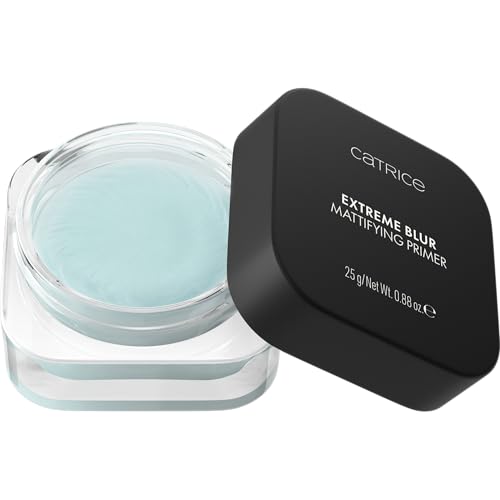
Catrice Extreme Blur Mattifying Face Primer is the cooling option, with a clear gel that combines a matte, pore-blurring look with hyaluronic acid and squalane. The brand says the formula hydrates while keeping excess oil in check, and it can also be worn alone. It is described as non-comedogenic, fragrance-free, vegan and cruelty-free. This suits combination or oily skin that wants a refreshed feel alongside makeup prep; shoppers looking specifically for the 2% niacinamide or timed shine-control claim should consider another formula.
Bottom line: Pick this for a cooling gel that pairs a blurred matte look with hydrating ingredients.
Saie Mini Glowy Super Gel in Starglow

Saie Mini Glowy Super Gel in Starglow differs from the matte gels with an illuminating, dewy finish and a multipurpose format: the brand says it can be worn alone, under or mixed with foundation or tinted SPF, and over makeup. It is labeled non-comedogenic. This is the glow-focused choice, but it is a poor fit if your priority is reducing visible shine or getting a matte base.
Bottom line: Choose this when a glowy finish and flexible use matter more than mattifying shine.
How to Choose a Non-Comedogenic Primer
Choose by finish first: matte primers reduce the look of shine, while illuminating formulas add visible glow. A non-comedogenic claim is not a guarantee that a product will never contribute to clogged pores; skin response can vary, and the term does not promise the same result for every person. For a matte gel with an explicit oil-control focus, compare the formulas by their named ingredients and claims rather than assuming every gel works alike. If glow is the goal, an illuminating primer may suit you better than a mattifying one. With easily irritated skin, try a small amount on a limited area before applying it across your face, and stop if irritation develops.
Primer Finish and Skin Prep
Apply primer after skincare has settled and before foundation; a thin, even layer is a practical starting point because excess product can make makeup feel slippery or pill. Matte gels and illuminating gels create different visual effects, so the finish should match the result you want rather than a broad skin-type label alone. Give each skincare layer time to dry before adding primer, especially when several products are layered. If makeup separates, reduce the amount of primer or simplify the layers instead of adding more product. A primer is a cosmetic base, not a substitute for moisturizer or sunscreen.
How to Layer Primer With Makeup
Use primer as the makeup-prep step rather than mixing several base products automatically. For broad coverage, smooth a small amount over the areas where makeup needs a base; concentrated pore-blurring or shine-control products are often most useful where those concerns show, while an illuminating gel can be placed where you want glow. Allow the layer to settle before applying foundation, and test the pairing on one area first if your base tends to pill. Mixing a primer into foundation changes its finish and coverage, so start with a small amount and adjust only if the result suits you. Remove makeup gently at the end of the day.
When to Stop Using a Primer
Stop applying a primer if it causes persistent burning, redness, itching or a rash; rinse it off and avoid trying to cover irritation with makeup. A non-comedogenic label does not rule out sensitivity to a particular ingredient, and a product described as fragrance-free can still contain ingredients that do not suit every person. Introduce one new face product at a time so you can identify which product may be responsible for a reaction. Seek medical advice for severe swelling, breathing difficulty or a reaction that does not settle. Keep primer away from the eyes unless its packaging specifically says it is suitable for that area.
Frequently Asked Questions
Does non-comedogenic mean a primer cannot clog pores?
No; non-comedogenic is not a guarantee that a primer will never contribute to clogged pores. Individual skin responses vary, so test a new formula on a small area before regular use.
Should primer go on before or after moisturizer?
Apply primer after moisturizer and let the skincare layer settle first. A thin primer layer is a sensible starting point if makeup pills or feels slippery.
Can I use a matte primer on dry skin?
You can, but a matte finish may not suit skin that feels tight or flaky. Apply moisturizer first and test the primer on one area to check the finish and feel.
Can illuminating primer go under foundation?
Yes; an illuminating primer can be worn under foundation, though the glow may show through depending on the foundation coverage. Try a small amount first if you want a subtle finish.