
GenTeal Gel for Severe Dry Eyes: 5 Options Compared

For severe dry eyes, GenTeal Tears Gel, 8 mL is the closest match because it is a gel-format drop made for severe symptoms during the day and night. Choose a nighttime ointment instead if you want an ointment format for overnight use, or a moderate-strength drop if your symptoms are moderate.
Eye lubricants range from liquid drops to thicker gels and ointments; thicker formats can blur vision temporarily, so many people reserve them for bedtime.
We earn a commission if you buy through links on this page. As an Amazon Associate I earn from qualifying purchases. Products are compared on manufacturer specifications, not hands-on testing.
- Best overall: GenTeal Tears Gel, 8 mL – A GenTeal gel-format drop made for severe dry-eye symptoms during the day and night.
- Best for nighttime ointment: GenTeal Tears Night-Time Ointment, 3.5 g – An ointment designed for nighttime use and severe dry-eye relief.
- Best for carbomer gel: Lumecare Carbomer Eye Gel, 3 × 10 g – A carbomer eye gel with a concentration of 0.2% w/w.
| Product | Best for | Format | Intended use | Package quantity | Shop |
|---|---|---|---|---|---|
| GenTeal Tears Gel, 8 mL | Day and night | Gel drops | Severe; day and night | 8 mL | Check Price on Amazon |
| GenTeal Tears Night-Time Ointment, 3.5 g | Overnight ointment | Ointment | Severe; nighttime | 3.5 g | Check Price on Amazon |
| GenTeal PM Ointment, 4 Pack | Multi-pack ointment | Ointment | Severe; nighttime | 4 × 0.12 fl oz | Check Price on Amazon |
| GenTeal Tears Moderate Drops, Twin Pack | Moderate symptoms | Liquid drops | Moderate; use not specified | 2 × 15 mL | Check Price on Amazon |
| Lumecare Carbomer Eye Gel, 3 × 10 g | Carbomer gel | Eye gel | Dry-eye sensation | 3 × 10 g | Check Price on Amazon |
GenTeal gel for severe dry eyes and alternatives
Compare the gel, nighttime ointments, and moderate-strength drops by format and intended use.
GenTeal Tears Gel, 8 mL
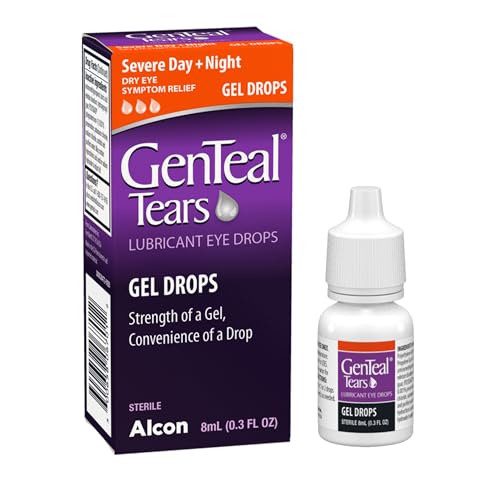
Unlike the ointments here, this option is a gel delivered as drops and is intended for severe symptoms during the day and night. The package contains 8 mL, and the formula has two lubricants. The maker says it temporarily relieves burning and irritation due to dryness and helps restore comfort after exposure to wind and sun. It suits someone who wants a drop format rather than a tube of ointment. Its limitation is that gel can blur vision temporarily, which may matter when clear vision is needed immediately after application.
Bottom line: Choose this if you want a severe-symptom gel in drop form for day and night.
GenTeal Tears Night-Time Ointment, 3.5 g

This is the nighttime ointment alternative, not a drop-format gel. Its 3.5 g tube is designed for overnight use, and the maker says it forms a protective moisture layer for extended lubrication while you sleep. It suits people who prefer an ointment for bedtime rather than drops during the day. The tradeoff is format: ointment can leave vision blurry after application, so it is generally a poor fit when you need clear sight right away. Keep it distinct from the 8 mL gel-drop option if format matters most.
Bottom line: Choose this if severe dry-eye relief in a nighttime ointment format is your priority.
GenTeal PM Ointment, 4 Pack

This option stands out for its four-pack of GenTeal PM ointment rather than a single tube or a gel dropper. Each unit is 0.12 fl oz, and the product name identifies it as a severe dry-eye nighttime ointment. It may suit someone seeking multiple small packages in the PM ointment format. Compared with gel drops, ointments are thicker and may blur vision after application, so this format is best reserved for a time when blurred vision will not interfere with tasks. The package quantity is the main distinction from the single-tube ointment.
Bottom line: Choose this if you want a four-pack of severe dry-eye nighttime ointment.
GenTeal Tears Moderate Drops, Twin Pack
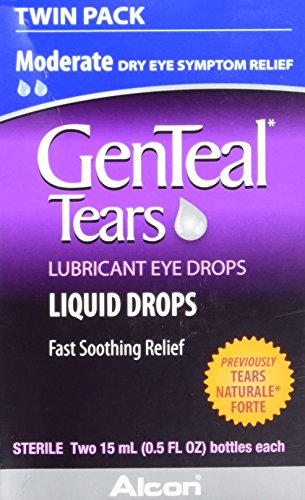
Unlike the severe-symptom options, these are liquid drops for moderate dry-eye irritation and discomfort, sold as a twin pack of 15 mL bottles. The maker says they provide quick relief from discomfort caused by moderate dry-eye symptoms and gentle protection against further irritation. This is a better match when the symptom level is moderate and a liquid drop format is preferred. It is not the closest fit for someone specifically seeking a severe-dry-eye gel, and the product name does not identify it as a gel.
Bottom line: Choose these if your symptoms are moderate and you want liquid drops in a twin pack.
Lumecare Carbomer Eye Gel, 3 × 10 g

This non-GenTeal alternative is a carbomer eye gel, with a concentration of 0.2% w/w and three 10 g tubes. The maker describes it as designed to soothe dry-eye sensation. It suits someone whose priority is a carbomer gel in multi-tube packaging rather than the named GenTeal product.
Bottom line: Choose this if carbomer gel and three tubes matter more than the GenTeal name.
How to choose a dry-eye gel or ointment
Choose by symptom level and when you need to see clearly: a drop-format gel is easier to use during waking hours, while thicker ointments are commonly reserved for bedtime because they can blur vision. Eye lubricants work by adding moisture or reducing surface friction; gels and ointments stay thicker than liquid drops. A decision rule is to favor a drop format when you need clear vision soon after use, and save an ointment for a time when temporary blur is acceptable. Do not treat a product labeled for moderate symptoms as interchangeable with one labeled for severe symptoms. If symptoms persist or include pain or vision changes, seek advice from an eye-care professional rather than escalating formats on your own.
Gel drops and ointments compared
Gel drops bridge liquid drops and ointments: they are dispensed as drops but have a thicker feel than ordinary liquid lubricants. Ointments are generally the thickest common lubricant format and are often used at bedtime because temporary blur can interfere with daytime tasks. The table summarizes the practical format choice; actual directions and ingredient cautions vary by product, so read the package before use.
| Format | Typical use consideration | Vision after use |
|---|---|---|
| Liquid drops | Daytime convenience | Usually less blur than thicker formats |
| Gel drops | Thicker drop format | Temporary blur can occur |
| Ointment | Often reserved for bedtime | Temporary blur is more likely |
Safe use of eye lubricants
Keep the dropper or ointment-tube tip from touching the eye, eyelid, fingers, or another surface; contact can contaminate the container. Wash hands before applying an eye product, and close the container promptly afterward. Do not assume different eye products can be layered in any order: when using multiple medicines or lubricants, check the package directions or ask a pharmacist or eye-care professional about spacing. Contact lens compatibility also depends on the specific product, so remove lenses unless its label explicitly allows use with lenses. Stop and seek professional advice for eye pain, a sudden vision change, or symptoms that worsen instead of settling.
When dry-eye symptoms need professional advice
Persistent symptoms deserve an eye exam, especially when irritation is accompanied by pain, marked redness, light sensitivity, discharge, or a change in vision. Dry eye can have different causes, and a lubricant may ease symptoms without addressing the underlying reason. Avoid repeatedly switching to stronger-feeling products as a substitute for an evaluation if symptoms continue. If a product causes worsening irritation, discontinue it and ask an eye-care professional what to do next. People with recent eye surgery or an existing eye condition should ask their clinician before changing their lubricant routine.
Frequently Asked Questions
Can gel eye drops blur vision after use?
Yes, thicker gel lubricants can cause temporary blur after application. Wait until vision clears before driving or doing work that requires sharp sight.
Are eye ointments better for nighttime use?
Ointments are commonly reserved for bedtime because their thicker texture can blur vision. Use a nighttime product only as its package directs.
How should I keep an eye-drop tip clean?
Wash your hands and avoid letting the tip touch your eye, eyelid, fingers, or any surface. Close the container after use to help reduce contamination risk.
Can I use eye lubricant drops with contacts?
Only use a lubricant with contact lenses if its label explicitly allows it. Otherwise remove the lenses and follow the product directions before putting them back in.
When should I seek care for dry eyes?
Seek professional advice if symptoms persist or come with pain, sudden vision changes, marked redness, light sensitivity, or discharge. Those signs warrant more than simply changing lubricant formats.