
Dr. Nathan Bryan Products: Lozenges and Eye Cream Compared

For a daily nitric oxide lozenge, NO2U Nitric Oxide Lozenges is the closest fit because its directions specify one lozenge twice daily, 12 hours apart; N1O1 Nitric Oxide Lozenges is another 60-count lozenge option. N1O1 Nitric Oxide Eye Cream, 0.5 oz is an eye cream, not an oral supplement, so choose it only if you are looking for topical eye care.
These products are associated with Dr. Nathan S. Bryan, but their formats and uses differ. Compare the label directions and intended application before choosing.
We earn a commission if you buy through links on this page. As an Amazon Associate I earn from qualifying purchases. Products are compared on manufacturer specifications, not hands-on testing.
- Best overall: NO2U Nitric Oxide Lozenges – Its directions give a specific twice-daily schedule, with 12 hours between lozenges.
- Best for orange flavor: N1O1 Nitric Oxide Lozenges – The 60-count dissolvable lozenges are orange flavored.
- Best for eye care: N1O1 Nitric Oxide Eye Cream, 0.5 oz – The unscented 0.5-ounce cream is formulated for the eye area.
| Product | Best for | Format | Count or size | Flavor or scent | Shop |
|---|---|---|---|---|---|
| NO2U Nitric Oxide Lozenges | Twice-daily routine | Dissolvable lozenge | 60 count | — | Check Price on Amazon |
| N1O1 Nitric Oxide Lozenges | Orange-flavor option | Dissolvable lozenge | 60 count | Orange | Check Price on Amazon |
| N1O1 Nitric Oxide Eye Cream, 0.5 oz | Topical eye care | Eye cream | 0.5 oz | Unscented | Check Price on Amazon |
Dr. Nathan Bryan Nitric Oxide Products
Compare the two dissolvable lozenges with the separate topical eye cream by format, routine, and intended use.
NO2U Nitric Oxide Lozenges

NO2U Nitric Oxide Lozenges stands out for its specific twice-daily schedule, unlike the other lozenge option, whose features do not give a dosing schedule. The 60-count package is described as a 30-day supply. The maker says the lozenge generates nitric oxide gas as it dissolves and directs users to take one lozenge twice daily, 12 hours apart, on an empty stomach, after drinking 2–4 oz of water. It suits someone seeking a clearly scheduled oral routine; the empty-stomach timing may be inconvenient for people who prefer to take supplements with meals.
Bottom line: Choose it if a defined twice-daily schedule fits your routine.
N1O1 Nitric Oxide Lozenges

N1O1 Nitric Oxide Lozenges differs from the other lozenge by offering an orange flavor. It contains 60 dissolvable lozenges, described as a 30-day supply, and is developed by Dr. Nathan S. Bryan. The maker says the lozenges release nitric oxide as they dissolve and positions them as a daily supplement for men and women. This format may suit someone who wants a flavored lozenge instead of a capsule or powder.
Bottom line: Pick it if orange flavor is your deciding factor.
N1O1 Nitric Oxide Eye Cream, 0.5 oz
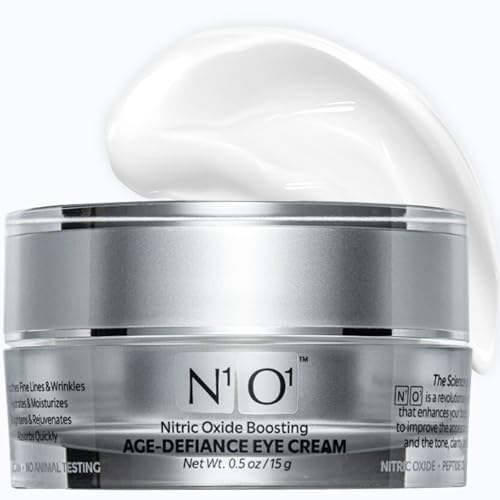
N1O1 Nitric Oxide Eye Cream, 0.5 oz is the only topical product here, rather than an oral nitric oxide supplement. The unscented 0.5-ounce eye cream includes peptides and ceramides; the maker says its formula uses nitric oxide technology and is intended to hydrate the eye area. Its once-daily application suits someone seeking topical eye care, not someone shopping for dissolvable lozenges. For any product used near the eyes, keep it out of the eye itself and stop use if irritation occurs; people with sensitive skin may want to test a small area first.
Bottom line: Choose it for topical eye-area care, not a supplement routine.
How to choose a Dr. Nathan Bryan product
Start with the format: the two lozenge products are oral supplements, while the eye cream is topical skin care. The lozenges both come in 60-count packages, but only NO2U Nitric Oxide Lozenges includes a specific twice-daily schedule in its features; N1O1 Nitric Oxide Lozenges is orange flavored. The eye cream is unscented and comes in a 0.5-ounce container. A practical decision rule is simple: if you want a dissolvable oral product, compare the two lozenges; if your goal is eye-area moisturization, consider the cream instead. Do not treat the cream as interchangeable with a supplement just because both product names include nitric oxide.
What to know about nitric oxide lozenges
Nitric oxide is a short-lived signaling molecule that the body can produce through nitric oxide synthase enzymes; oral bacteria also participate in a separate nitrate-to-nitrite pathway. A lozenge’s advertised mechanism does not establish how much nitric oxide reaches a particular tissue or what effect an individual will experience. Dietary supplements are not approved by the FDA for effectiveness before sale, so evaluate the label claims cautiously rather than treating them as proven outcomes. People taking prescription medicines or managing a health condition should ask a clinician or pharmacist before adding a supplement, especially if they are unsure about interactions or appropriate use.
How to compare lozenge directions and servings
A 60-count package labeled a 30-day supply implies two lozenges per day, but that arithmetic is not a substitute for its actual directions. For NO2U Nitric Oxide Lozenges, the maker’s instructions also specify an empty stomach and 2–4 oz of water before each lozenge. Follow the exact package directions for whichever product you choose, and do not combine or increase servings to chase a stronger effect. Ask a qualified professional before use if you take medication or have a medical condition.
Using eye cream around the eye area
Eye creams are applied to the skin around the eye, not into the eye; use a small amount and avoid the lash line unless the label specifically directs otherwise. The application feature says N1O1 Nitric Oxide Eye Cream, 0.5 oz is applied once daily, and its unscented formula contains peptides and ceramides. Fragrance-free or unscented does not guarantee that sensitive skin will tolerate every ingredient, so try a small patch first and stop if burning, swelling, or persistent redness develops. Keep topical products away from children and do not use a product on broken or irritated skin unless a clinician advises it. If a formula gets into the eye, rinse with clean water.
Frequently Asked Questions
Are the Dr. Nathan Bryan lozenges the same product?
No; NO2U Nitric Oxide Lozenges and N1O1 Nitric Oxide Lozenges are separate dissolvable nitric oxide lozenges. N1O1 Nitric Oxide Lozenges is orange flavored, while NO2U Nitric Oxide Lozenges provides directions for taking one lozenge twice daily, 12 hours apart.
How many lozenges come in each supplement package?
Both lozenge products contain 60 count. The product features call each a 30-day supply, but check the package directions for the serving schedule.
Can I use the eye cream as a nitric oxide supplement?
No; N1O1 Nitric Oxide Eye Cream, 0.5 oz is a topical eye cream, not an oral supplement. Apply eye-area products to skin rather than swallowing them or placing them in the eye.
Should I ask a clinician before taking nitric oxide supplements?
Yes, particularly if you take prescription medication or manage a health condition. A clinician or pharmacist can help check for potential interactions before you start a new supplement.