
Best Glue for Nylon: 3 Options by Material and Use

For most nylon fabric repairs, Gorilla Fabric Glue, 2.5 oz is the best fit because its bond remains flexible after washing and it is washer- and dryer-safe once cured. Choose Magigoo Nylon 3D Print Bed Adhesive, 50 mL instead for nylon 3D prints, where build-plate adhesion and warping are the deciding concerns.
Nylon glue needs vary by application: fabric adhesive is meant for textiles, while print bed adhesive helps keep a printed part attached during printing.
We earn a commission if you buy through links on this page. As an Amazon Associate I earn from qualifying purchases. Products are compared on manufacturer specifications, not hands-on testing.
- Best overall: Gorilla Fabric Glue, 2.5 oz – Its maker says the flexible fabric bond is washable and dryer-safe after curing.
- Best for nylon 3D printing: Magigoo Nylon 3D Print Bed Adhesive, 50 mL – Made for nylon filament and compatible with PEI, glass, Buildtak, and Kapton surfaces.
- Best for fabric projects: FITTDYHE Permanent Fabric Glue, 60 mL – A clear 60 mL fabric adhesive is designed for nylon and includes spreaders and clips.
| Product | Best for | Format | Nylon application | Shop |
|---|---|---|---|---|
| Gorilla Fabric Glue, 2.5 oz | Washable fabric repairs | Fabric adhesive, 2.5 oz | Clothing, patches, seams | Check Price on Amazon |
| Magigoo Nylon 3D Print Bed Adhesive, 50 mL | Nylon 3D printing | 3D-print bed adhesive, 50 mL | Nylon filament, print beds | Check Price on Amazon |
| FITTDYHE Permanent Fabric Glue, 60 mL | Small fabric projects | Fabric adhesive, 60 mL | Nylon clothing and fabric | Check Price on Amazon |
Glue for Nylon by Application
Choose based on whether the nylon is fabric being repaired or filament being printed.
Gorilla Fabric Glue, 2.5 oz
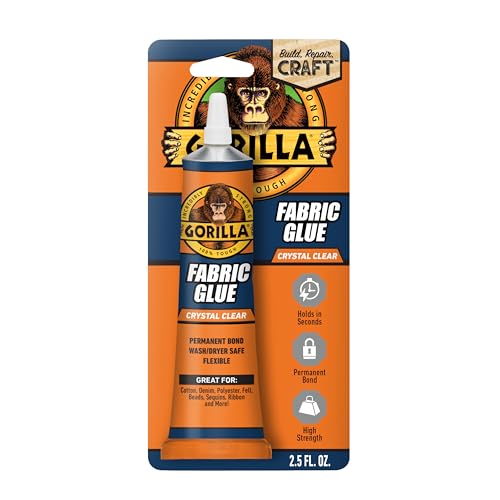
For washable nylon clothing and patches, this fabric adhesive stands apart with a flexible bond that the maker says is waterproof and safe for washer and dryer use once fully cured. The 2.5-ounce container is intended for no-sew repairs and also bonds cotton, denim, polyester, felt, leather, and flannel. It dries clear, which can help on visible mends. This is a better match for fabric than a rigid adhesive, but it is not the choice for attaching nylon filament to a 3D printer bed. Let the bond fully cure before laundering.
Bottom line: Choose this for nylon fabric repairs that need to remain flexible through laundering.
Magigoo Nylon 3D Print Bed Adhesive, 50 mL

For nylon filament on a printer bed, this adhesive is purpose-built for the print interface rather than for mending fabric. Its maker says it is designed for nylon, including carbon- and glass-filled varieties, and lists PEI, Buildtak, glass, flex plates, and Kapton among compatible surfaces. At 50 mL, it is the dedicated option here for print bed use. It is not a general-purpose repair adhesive for clothing seams or patches, so fabric buyers should choose a textile glue instead. Match the application to the actual build surface before printing.
Bottom line: Pick this when the job is keeping a nylon 3D print adhered to its build surface.
FITTDYHE Permanent Fabric Glue, 60 mL

For a fabric project where application control matters, this 60 mL adhesive includes spreaders and clips, unlike the other fabric option here. Its maker says it works on nylon along with cotton, flannel, denim, leather, and polyester, and recommends holding a seam with clips for 24 to 48 hours. That longer set-up window makes it a practical choice for planned repairs rather than a quick fix. The use guidance is fabric-focused; it does not make this the right adhesive for nylon 3D-printing beds or structural repairs.
Bottom line: Choose this for controlled fabric repairs when you can leave the seam clipped for 24 to 48 hours.
How to choose glue for nylon
Choose by the form of nylon and the kind of bond the repair needs: fabric repairs need a flexible textile adhesive, while a 3D print needs an adhesive made for the bed-to-filament interface. Nylon fabric stretches and bends, so a brittle glue layer can crack or peel as the material moves. A print bed adhesive has a different job: it helps hold a part during printing and is applied to the build surface, not used as a clothing repair. For garments that will be washed, prioritize a maker-claimed washable fabric adhesive and allow its full cure before laundering. For a printed part, confirm that the adhesive is compatible with the particular bed surface, such as PEI or glass.
Nylon fabric repairs and 3D-printing adhesive
Fabric glue and print bed adhesive solve different nylon problems, so the application decides the category. A fabric adhesive is spread across a seam, patch, or embellishment and should accommodate fabric movement; a printer adhesive prepares the build surface to hold filament during a print. Do not substitute one category for the other simply because both mention nylon. The table gives the fit rule at a glance.
| Job | Choose | Key fit check |
|---|---|---|
| Clothing seam or patch | Flexible fabric glue | Washability and cure time |
| Nylon filament print | 3D print bed adhesive | Build surface compatibility |
When the material is a nylon fabric item, select by the repair location and care needs; when it is filament, select by printer surface.
Preparing nylon before gluing
Clean, dry surfaces give adhesives a better chance to make consistent contact; oil, dust, and fabric softener residue can interfere with bonding. On fabric, align the seam or patch before applying adhesive because repositioning after contact can smear glue and leave a stiff spot. Use only a thin, even layer where the maker directs it, and keep the bonded area flat or clipped during its curing period. For a 3D printer, apply bed adhesive to the correct build surface and let the coating dry as directed before starting the print. Avoid using glue as a substitute for stitching at a load-bearing seam that must withstand substantial pulling.
When to use sewing instead of glue
Glue suits small repairs, hems, and patches when the bond area is broad and the fabric is not under strong, repeated tension. Sewing is usually the sounder choice for a narrow seam that carries body weight or sees frequent stretching, because stitches mechanically join the fabric rather than relying on a surface layer. For a glued clothing repair, avoid placing a thick ridge of adhesive across a bend point such as an elbow or knee; a stiff ridge can be uncomfortable and may separate sooner with repeated flexing. A practical rule is to glue decorative patches and low-stress mends, but sew seams that open under a gentle pull before repair.
Frequently Asked Questions
Can fabric glue hold a nylon patch through washing?
Some fabric adhesives are made for washable repairs, but the bond needs to cure fully first. Allow the maker’s cure time before laundering, and test an inconspicuous area if the fabric finish is delicate.
Is nylon 3D-print glue the same as fabric glue?
No, the two adhesives are designed for different jobs. Print bed adhesive helps filament adhere to a build surface, while fabric glue bonds textiles and should accommodate fabric movement.
How long should nylon fabric glue dry before use?
Cure time depends on the formula: one product here calls for 24 to 48 hours held with clips, while another says to wait until fully cured before washing. Do not treat a fast initial set as full cure.
Should I sew a nylon seam or glue it?
Sew a seam that carries repeated pulling or supports weight; glue is better suited to patches and low-stress mends. A seam that opens under a gentle pull needs a mechanical join rather than adhesive alone.