
Brands of Chili Sauce: 3 Styles Compared

Among these brands of chili sauce, Homade is the closest fit for a mild, sweet-tangy tomato sauce, while Shark Brand is the pick for medium-hot sriracha. Choose by the style and heat level you want: these sauces are not direct substitutes for one another.
Homemade Chili Sauce is another tomato-based option, with a 12-bottle pack for buyers who want that format.
We earn a commission if you buy through links on this page. As an Amazon Associate I earn from qualifying purchases. Products are compared on manufacturer specifications, not hands-on testing.
- Best overall: Homade Chili Sauce, 12 oz – A mild, sweet-tangy tomato sauce in three 12-ounce bottles.
- Best for sriracha heat: Shark Brand Sriracha, 25 fl oz – Thai-made, medium-hot sriracha in a 25-fluid-ounce bottle.
- Best for a multi-bottle pack: Homemade Chili Sauce, 12 oz – A tomato-based sauce supplied as a 12-bottle pack.
| Product | Best for | Style | Bottle size | Pack | Shop |
|---|---|---|---|---|---|
| Homade Chili Sauce, 12 oz | Mild tomato sauce | Sweet-tangy tomato | 12 oz | 3 bottles | Check Price on Amazon |
| Homemade Chili Sauce, 12 oz | Tomato sauce multipack | Tomato-based | 12 oz | 12 bottles | Check Price on Amazon |
| Shark Brand Sriracha, 25 fl oz | Medium-hot sriracha | Sriracha, medium hot | 25 fl oz | 1 bottle | Check Price on Amazon |
Brands of chili sauce compared
Start with the sauce style and heat level, then compare bottle size and pack format.
Homade Chili Sauce, 12 oz

Homade stands out for a sweet-tangy, mildly spiced tomato flavor rather than sriracha-style heat. The maker says the sauce includes tomatoes, vinegar, bell peppers, onion, sesame seeds, and spices, and contains no artificial flavors. Three 12-ounce bottles suit cooks who want multiple bottles for meatballs, meatloaf glaze, burgers, or dipping. Its mild heat is the deciding limitation: choose another style if you want a medium-hot sauce for adding noticeable spice. The tomato-and-vinegar profile also makes it a different choice from a chile-forward sriracha.
Bottom line: Choose this for mild, tomato-based sweetness and tang rather than pronounced heat.
Homemade Chili Sauce, 12 oz
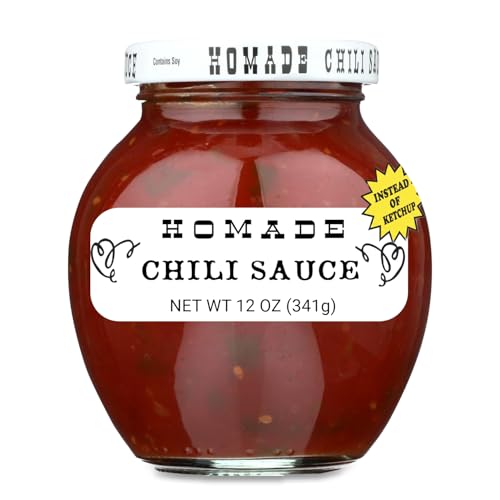
Homemade Chili Sauce differs from the three-bottle Homade option by coming in a 12-bottle pack. Its ingredients include tomatoes, sugar, water, dextrose, distilled vinegar, salt, and green and red bell peppers. The 12-ounce bottle size suits kitchens that want a larger supply of tomato-based sauce. Refrigerate the sauce after opening, and heed the package seal warning: its button pops up when the seal is broken. This option is not the one to choose for sriracha’s medium-hot profile; it is a tomato-based condiment.
Bottom line: Pick this when a 12-bottle supply of tomato-based sauce fits your needs.
Shark Brand Sriracha, 25 fl oz

Shark Brand is the only sriracha in this group, making it the clearest choice for a medium-hot chile sauce rather than a sweet-tangy tomato condiment. The maker says it is made in Thailand and contains no MSG or food coloring. Its 25-fluid-ounce bottle is larger than the 12-ounce bottles in the tomato-sauce options. The maker suggests using it with soups, pasta, pizza, hot dogs, hamburgers, or chow mein. Its medium-hot style is the limitation for anyone seeking mild sweetness instead of added spice.
Bottom line: Choose this for a medium-hot sriracha style to add chile flavor to meals.
How to choose a chili sauce style
Choose by flavor first: tomato-based chili sauces and sriracha serve different roles. Tomato-based sauces commonly lean sweet and tangy, while sriracha is a chile sauce with a more direct spicy profile. Heat labels are not a universal scale, so “medium hot” is a relative cue rather than a fixed number of Scoville units. If you want a mild condiment for glazing or dipping, start with a tomato-based style; if your goal is chile heat in soups or noodles, choose a sriracha-style sauce. Read the ingredient panel for tomato, vinegar, sugar, and peppers to understand the balance before selecting a bottle.
Match chili sauce to the dish
Match the sauce to the job: sweet-tangy tomato sauces suit glazes and dips, while sriracha can add a spicy accent to soups, pasta, and other savory dishes. A practical decision rule is to use a tomato-based sauce when sweetness and tang are central to the dish, and reach for sriracha when added heat is the goal. Stir a small amount into a serving first, then adjust; adding sauce gradually is easier than correcting an overly spicy dish. For a cooked glaze, check whether the recipe expects a sweet tomato condiment or a chile-forward sauce, since those flavor profiles are not interchangeable.
Use this quick comparison to choose by cooking role.
| Need | Style to choose | Why |
|---|---|---|
| Glaze or dip | Tomato-based chili sauce | Sweet-tangy flavor fits that role |
| More chile heat | Sriracha-style sauce | Chile-forward, spicy profile |
What to check on a chili sauce label
Check the ingredient order and heat description before choosing a chili sauce. Ingredients appear in descending order by weight on US packaged-food labels, so the first ingredients help show whether a sauce is primarily tomato-based or chile-forward. “Medium hot” describes a maker’s heat positioning, not a standardized level shared across brands. Also check bottle size and pack count separately: a 12-ounce bottle in a multipack is not the same purchase quantity as one 25-fluid-ounce bottle. For sauces that require refrigeration after opening, follow that storage direction and keep the bottle chilled between uses.
Frequently Asked Questions
Is chili sauce the same as sriracha?
No, chili sauce is a broad label, while sriracha is a specific chile-sauce style. Tomato-based chili sauces can be sweet and tangy, whereas sriracha is typically chosen for a more chile-forward spicy flavor.
What chili sauce works for meatballs?
A sweet-tangy tomato-based chili sauce is a natural fit for meatball glaze. Add it gradually during preparation so the glaze does not become sweeter or tangier than intended.
How should opened chili sauce be stored?
Storage depends on the sauce label; refrigerate after opening when the package directs it. Keep refrigerated sauces chilled between uses rather than leaving them at room temperature.
How can I make a dish less spicy?
Add the spicy sauce in small amounts and taste as you go. If a dish is already too hot, increasing the mild, non-spicy ingredients in the recipe can reduce the heat per serving.